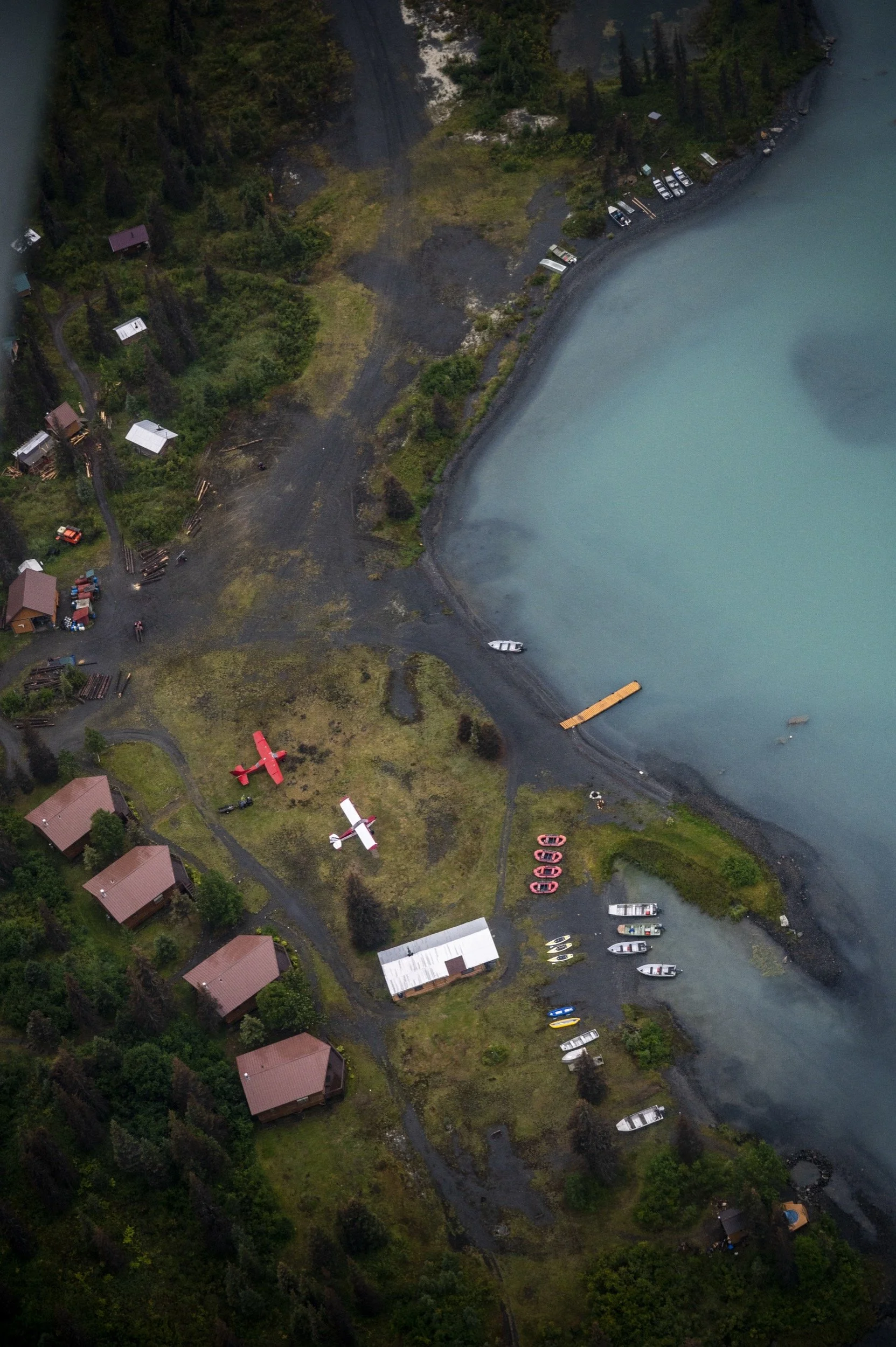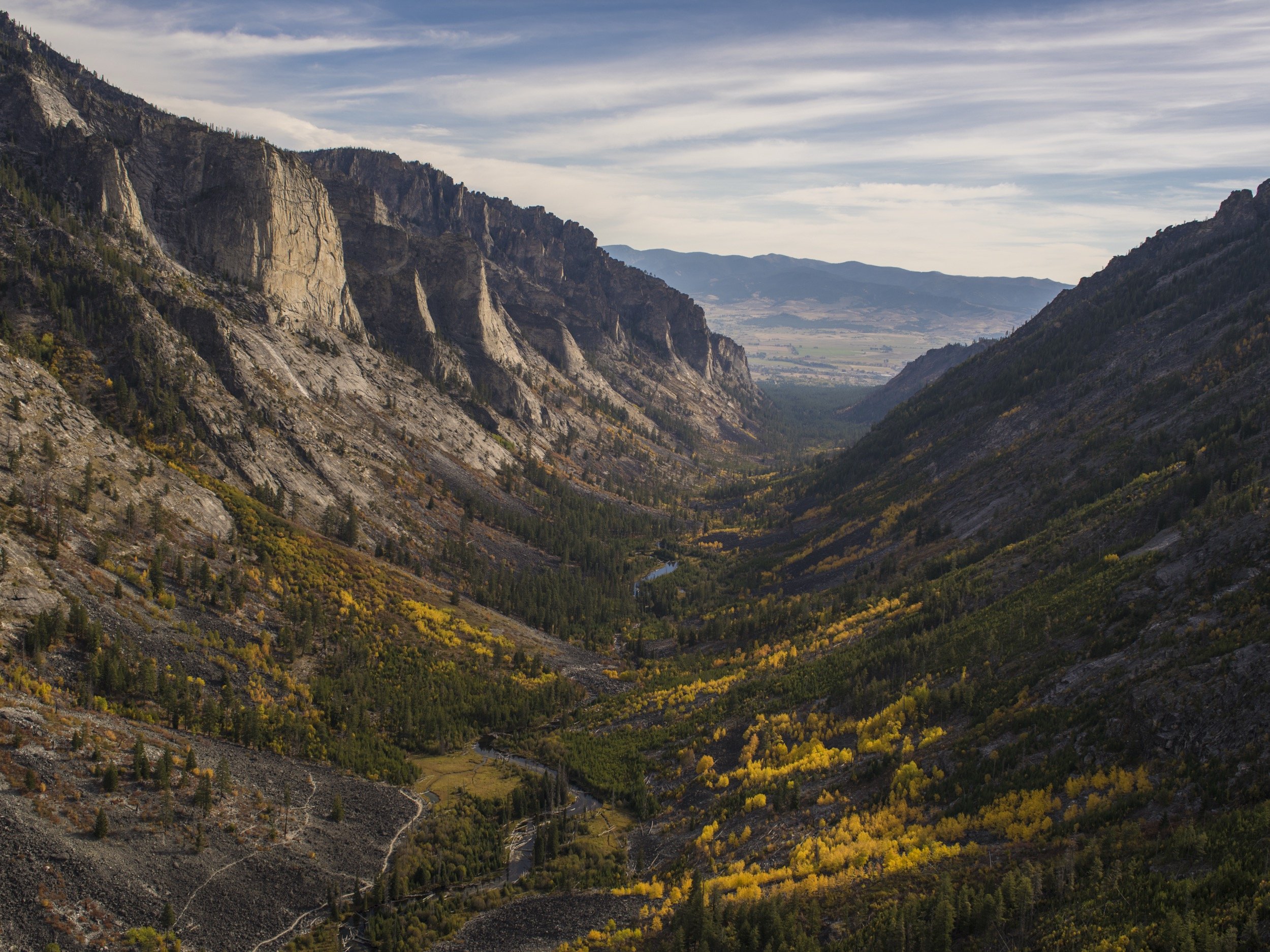
Back in the day—and by that I mean the early 2000s—we didn’t have personal drones.
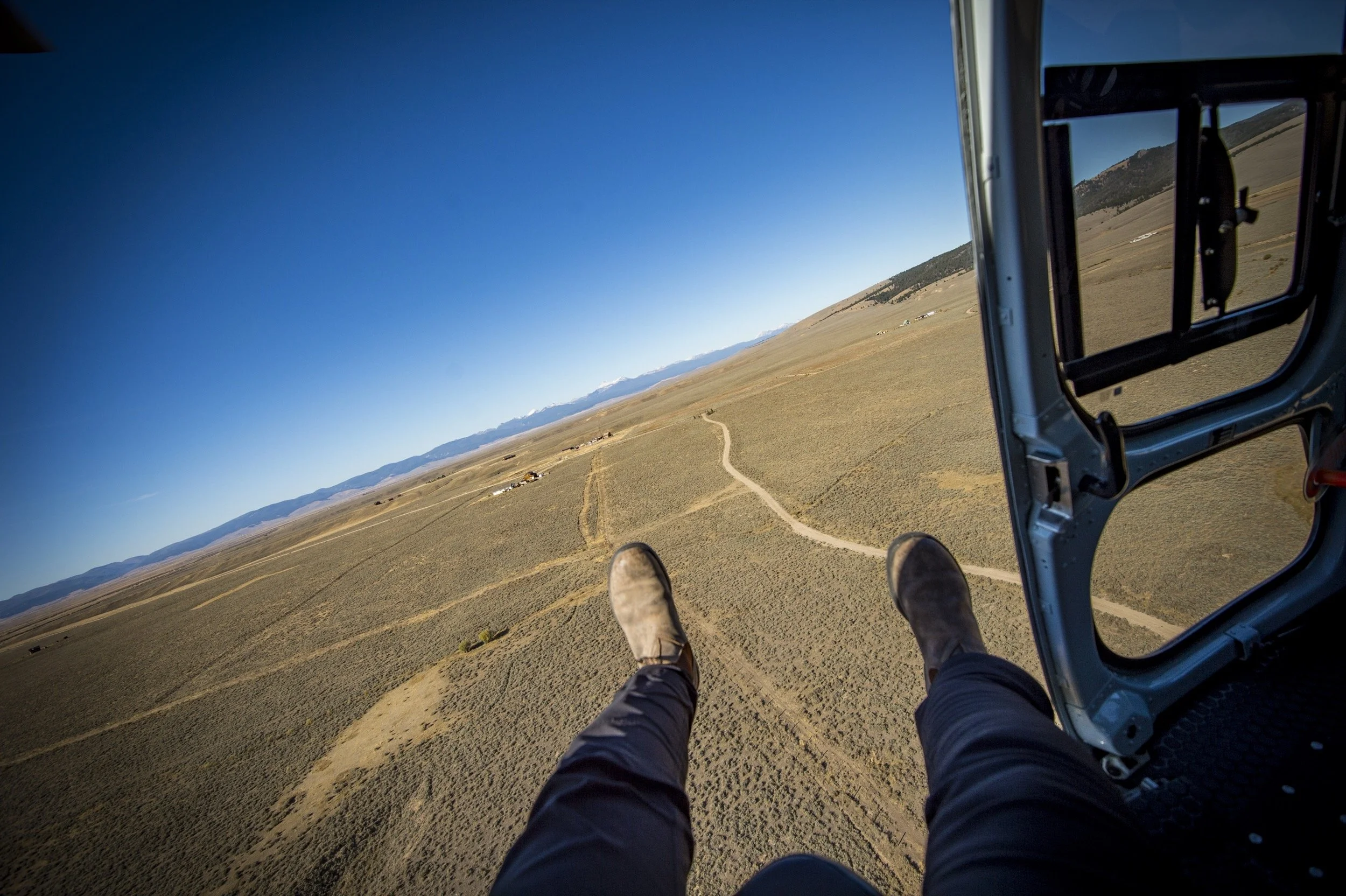
Whenever a company wanted me to photograph any type of aerial view, they had to book either a helicopter or a private plane. Windows or doors would be open or completely removed, and generally I would be strapped into either a harness or my seat. Sometimes my feet were hanging over the side of a helicopter. Other times I had a lens sticking out the window of a small plane.
My heart would always be racing. I have some pretty extreme flying anxiety, which makes it slightly ironic that I’ve spent so much of my career photographing from small aircraft.
But once we were in the air, I would communicate with the pilot about what we needed to accomplish and basically shoot whatever I was given.
Usually, we had to work fast. We didn’t have a lot of time to get the job done, and as we all know, jet fuel isn’t cheap.
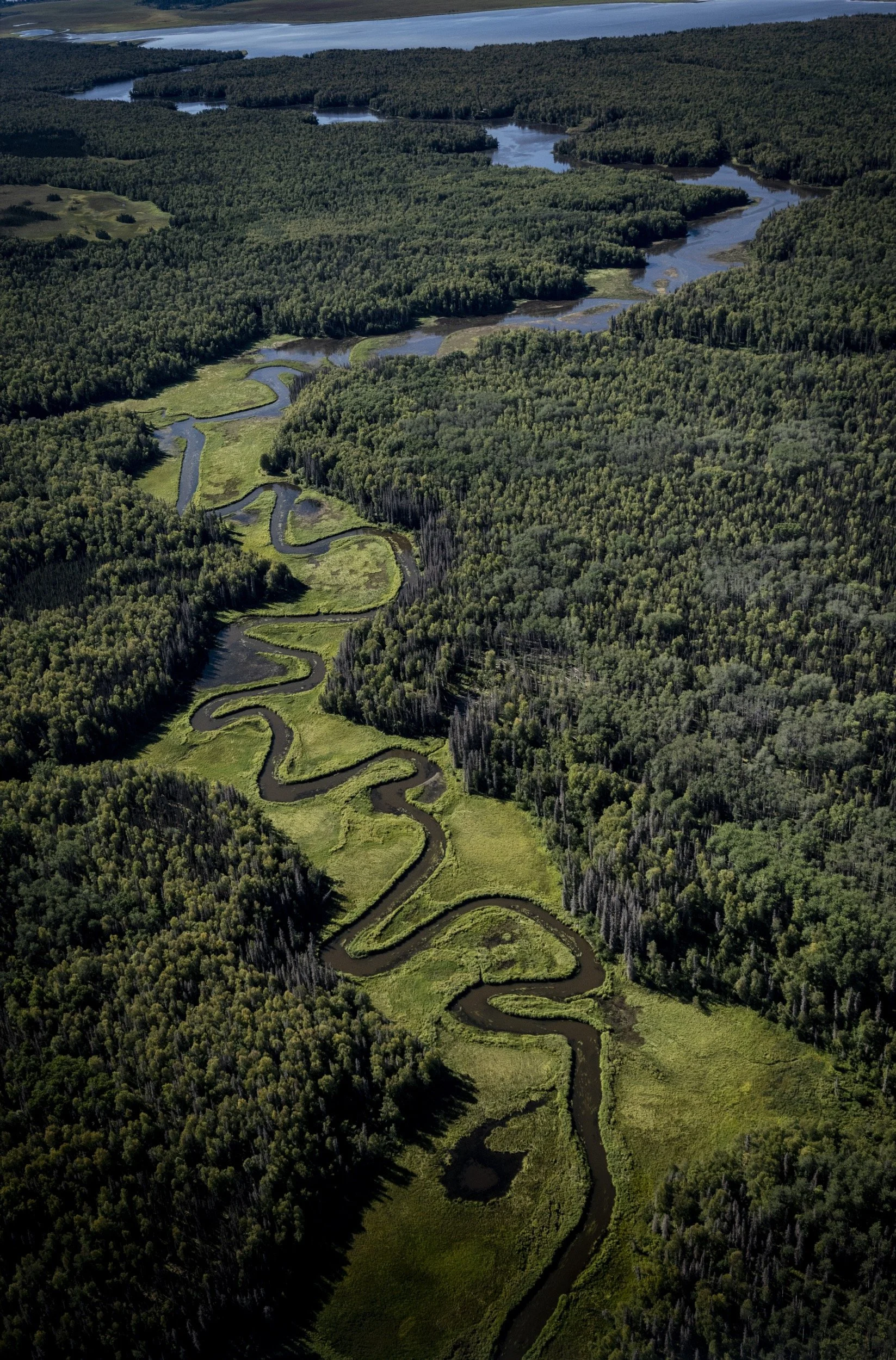
Over the years, I’ve had some incredible experiences photographing from the air, so I thought it might be fun to revisit some of those photographs and share a few things I’ve learned along the way.
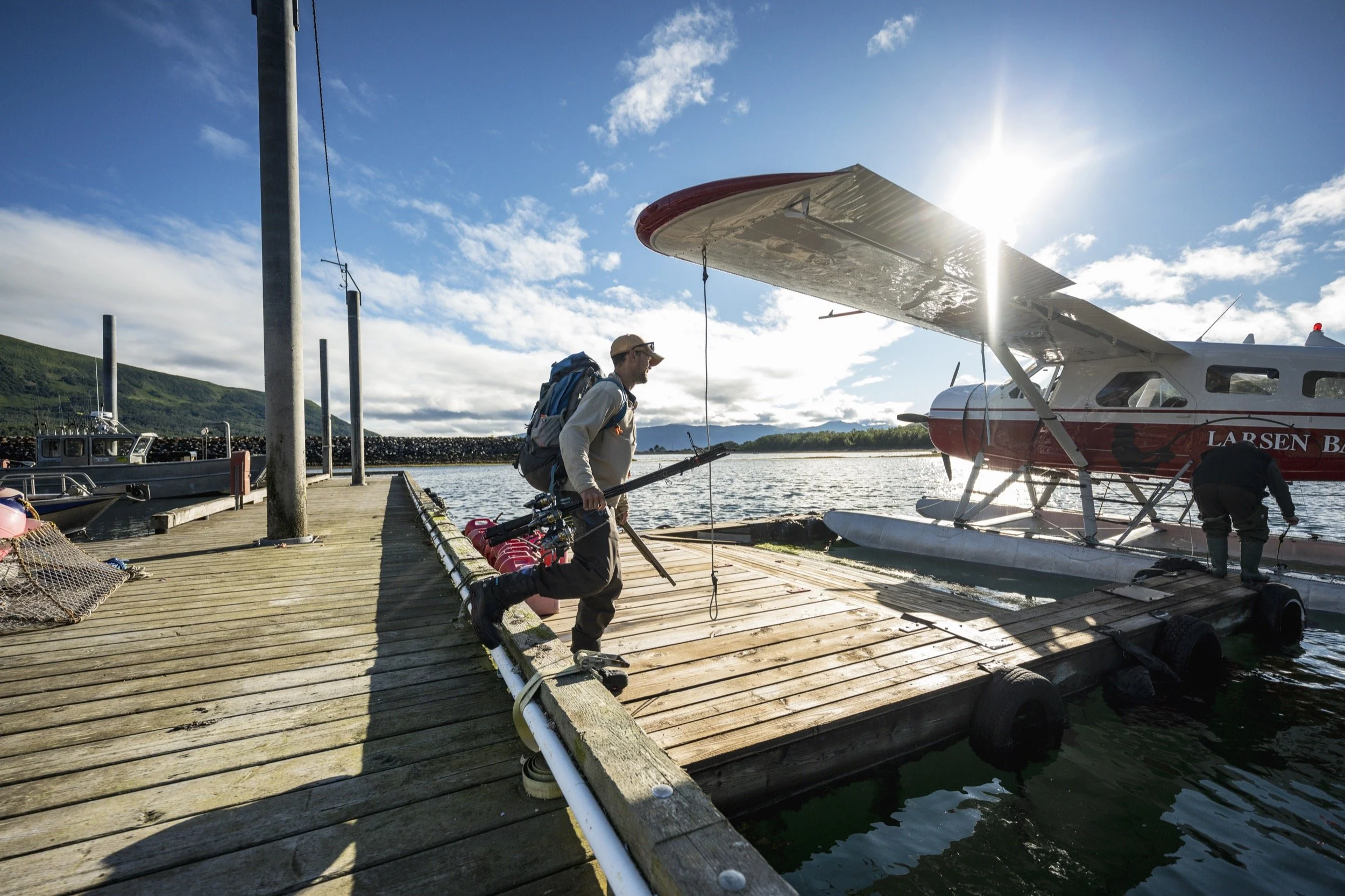
1. Communicate With Your Pilot Ahead of Time
Talking with your pilot about what you hope to capture before you leave the ground can make a huge difference.
Once you’re in the air, it can be difficult for a pilot to adjust everything on a dime. There is nothing worse than realizing you’re on the wrong side of the aircraft for whatever you’re trying to photograph.
Before a flight, I like to have a conversation about the objective of the shoot. We might look at maps, talk about the route, discuss where the light is coming from and go over what I need to see from the air.
I’ll also ask whether what I’m envisioning is even possible.
That last part is important.
The pilot knows the aircraft, the conditions and what can safely be accomplished. I know what I need photographically. Having that conversation on the ground lets us figure out how those two things can work together.
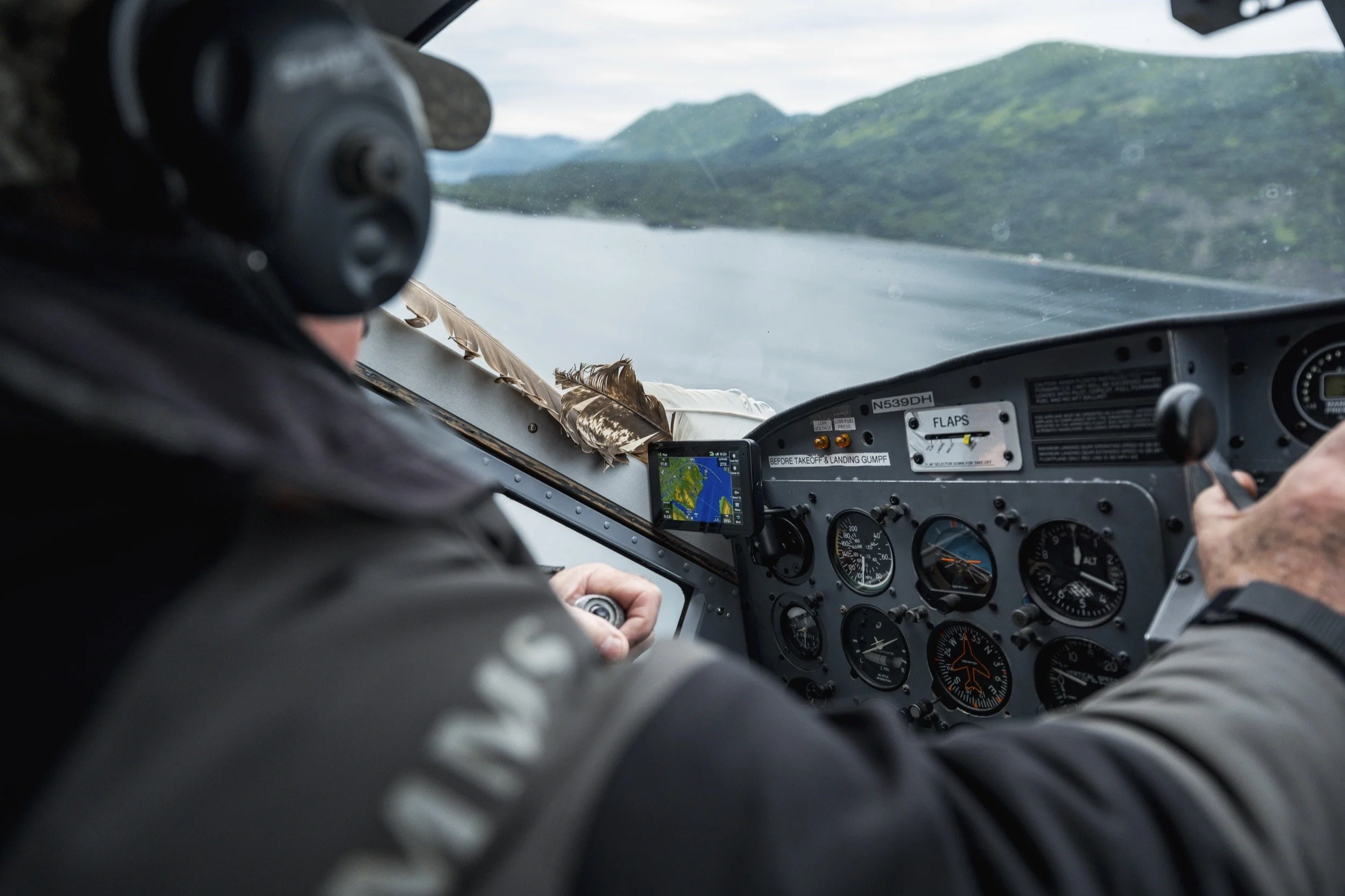
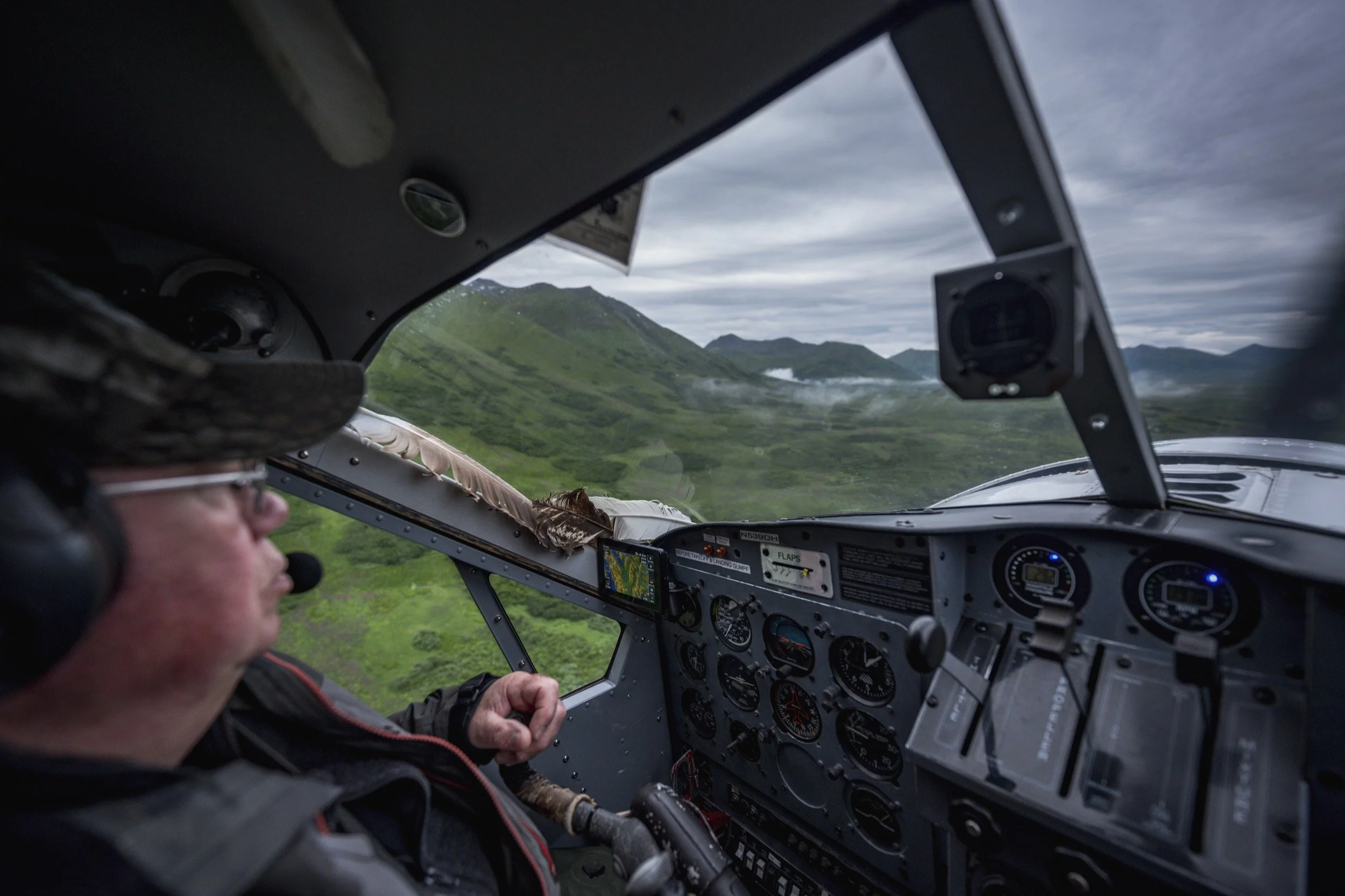
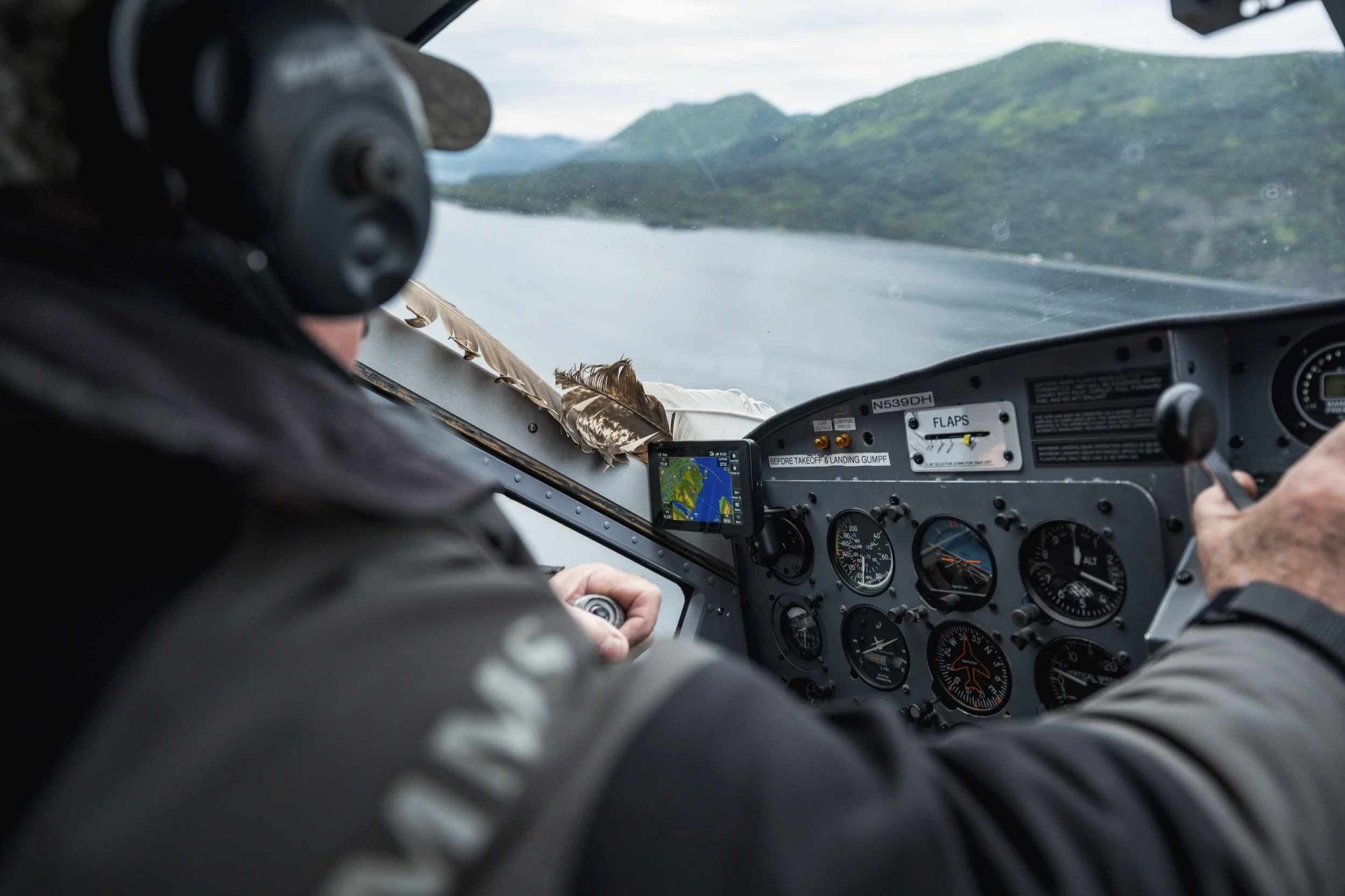
Once we’re in the air, headsets make communication much easier, and I can let the pilot know if we’re on target or if I need another pass.
But remember: their job is to fly the aircraft.
The more you can plan before takeoff, the more the pilot can concentrate on flying while you concentrate on making photographs.
2. Strap Everything Down
And I mean everything.
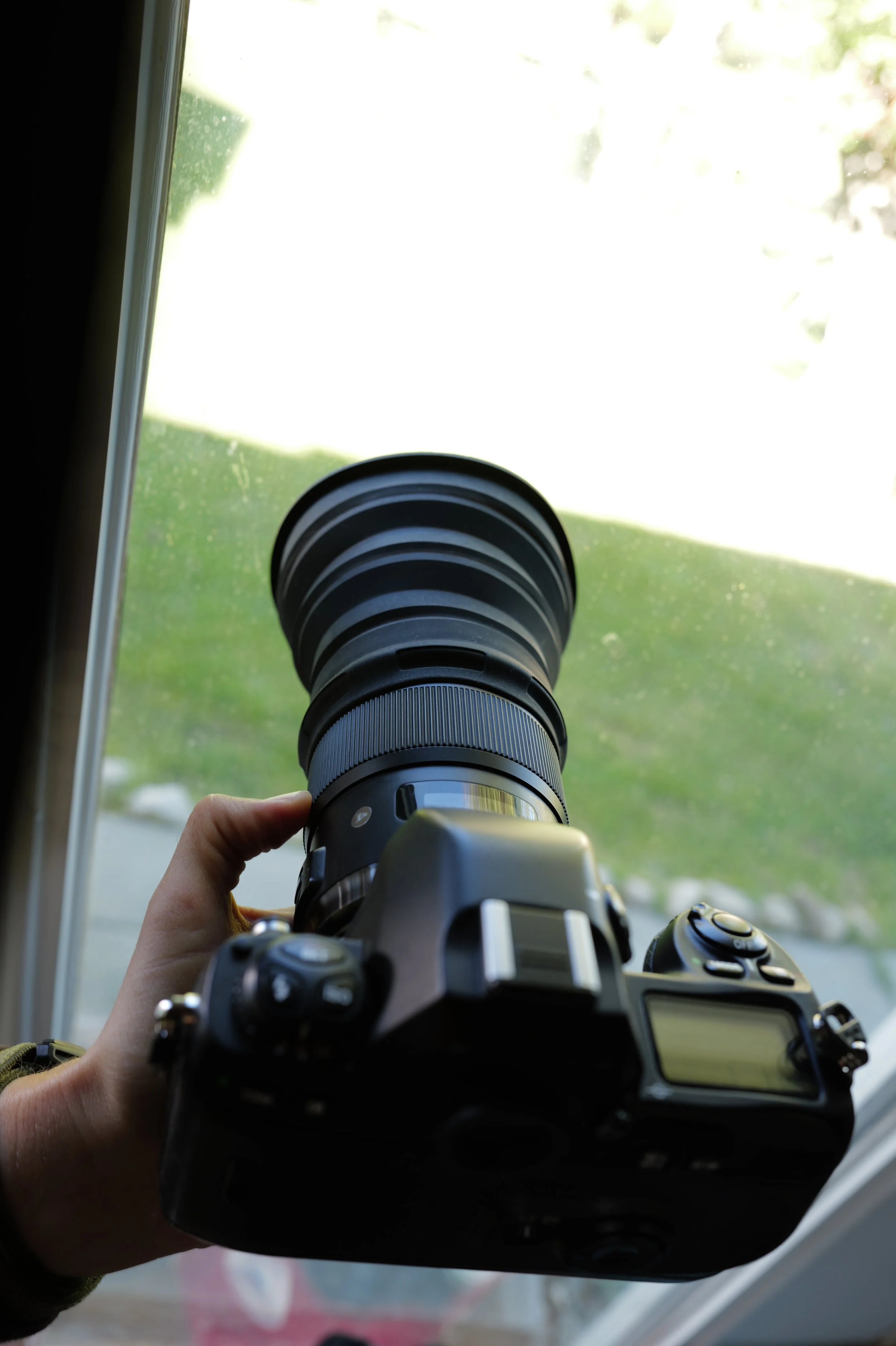
Nothing should be loose—not even a lens hood.
You never want to put anyone at risk because a piece of your equipment came loose and caused a problem inside the aircraft or around a rotor.
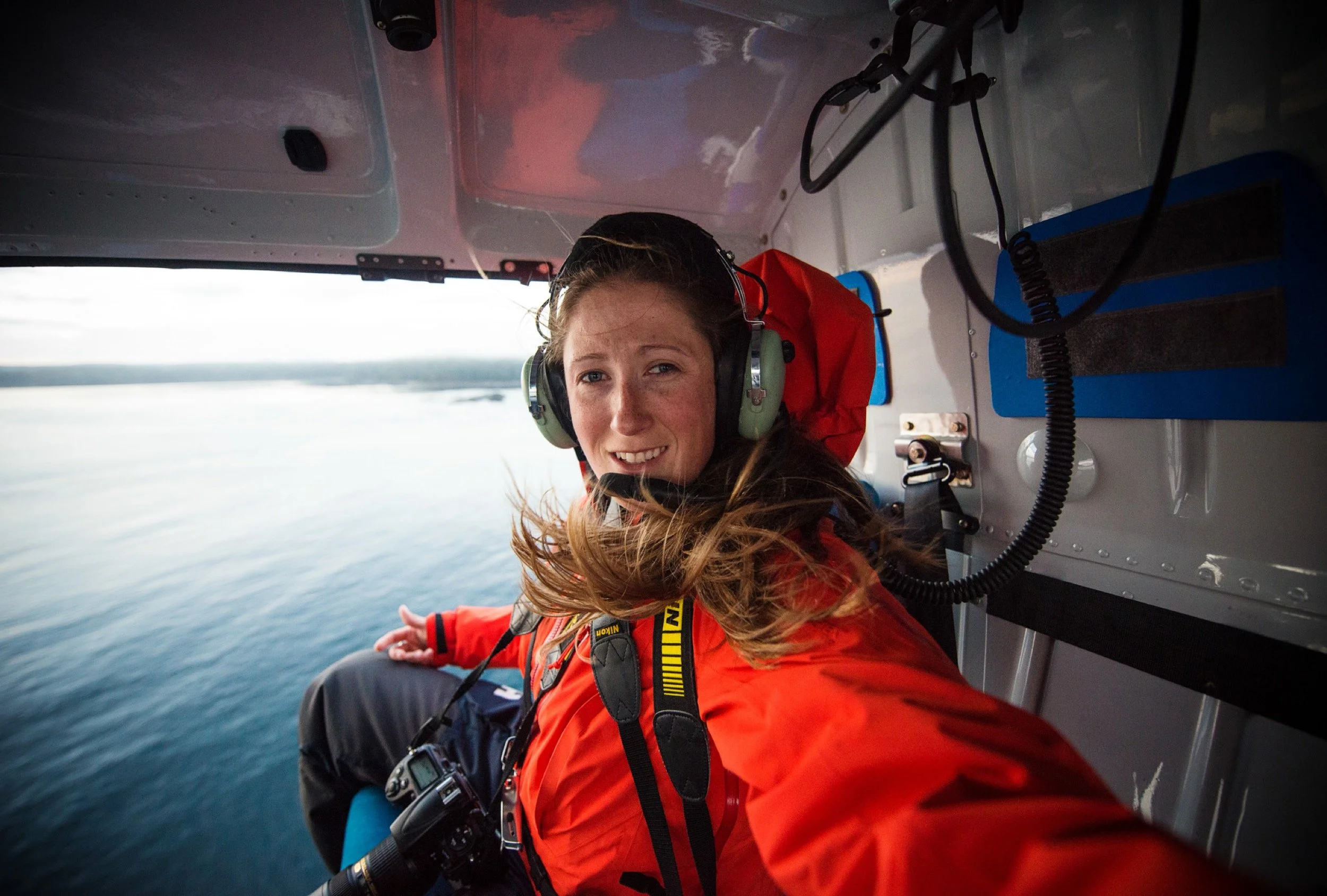
My cameras have straps. Those straps are attached to me. I am properly strapped into the aircraft, whether that means being secured into my seat or wearing a harness attached to the aircraft.
Anything on the camera that could potentially come loose gets secured. Gaffer tape can be incredibly useful for things like lens hoods or other small pieces of equipment.
This becomes especially important when you’re photographing with a door or window open. There is a tremendous amount of wind, and something that seems perfectly secure while you’re sitting on the ground might behave very differently once you’re in the air.
Even with the doors and windows closed, you don’t want cameras, lenses or other equipment rolling around the cabin—or worse, getting anywhere near the aircraft’s operational controls.
Keep your setup simple, keep it organized and keep everything attached.
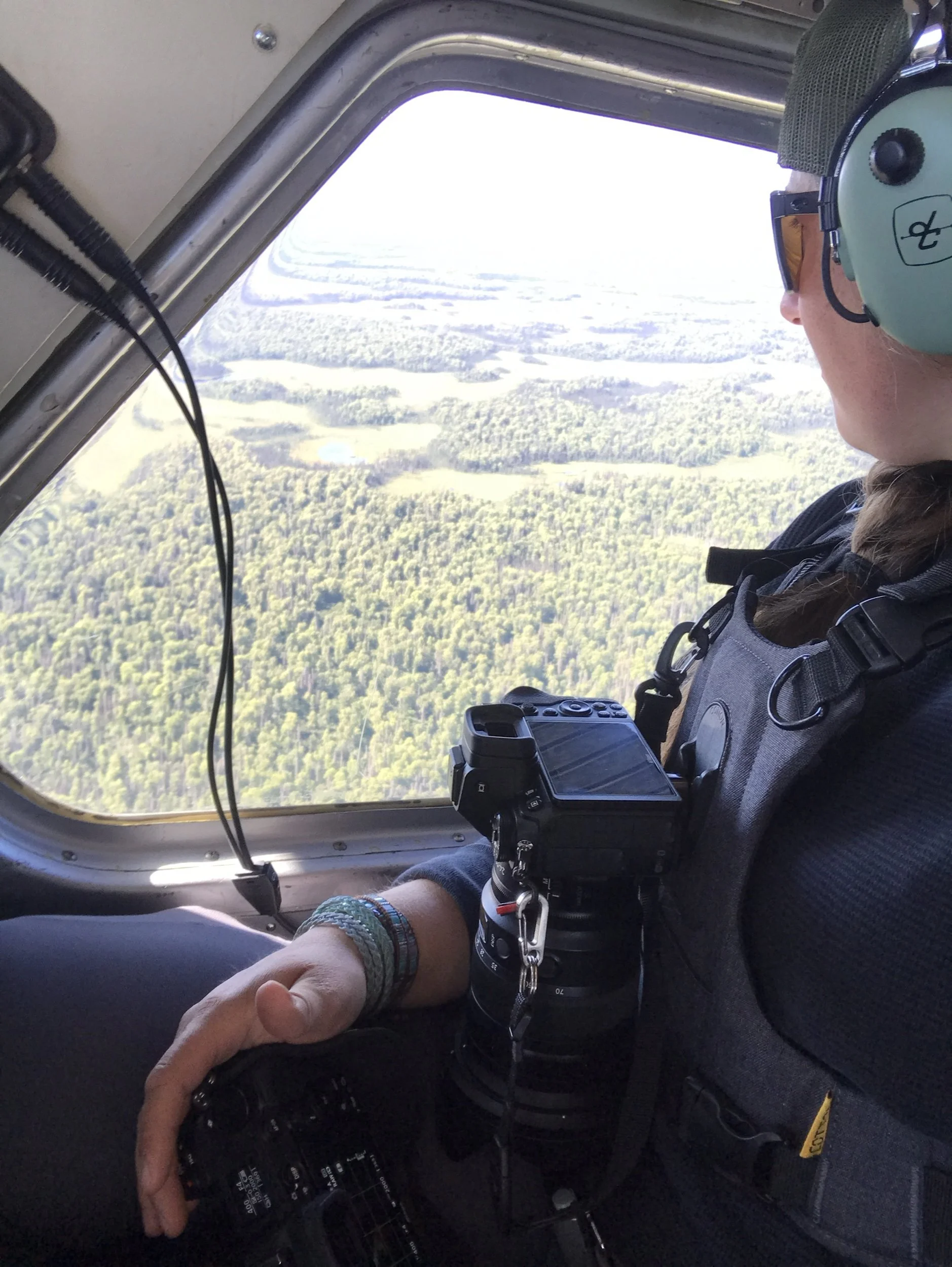
I use the Cotton Carrier Chest harness system. This system allows for me to have my hands free and the cameras can be leashed to the harness, so nothing can fall off of me.
3. Use Your Time in the Air to Help Tell the Story
Sometimes there isn’t a specific aerial photography assignment at all.
The plane or helicopter is simply how you’re getting to the shoot.
Those flights can still become an important part of telling the story.
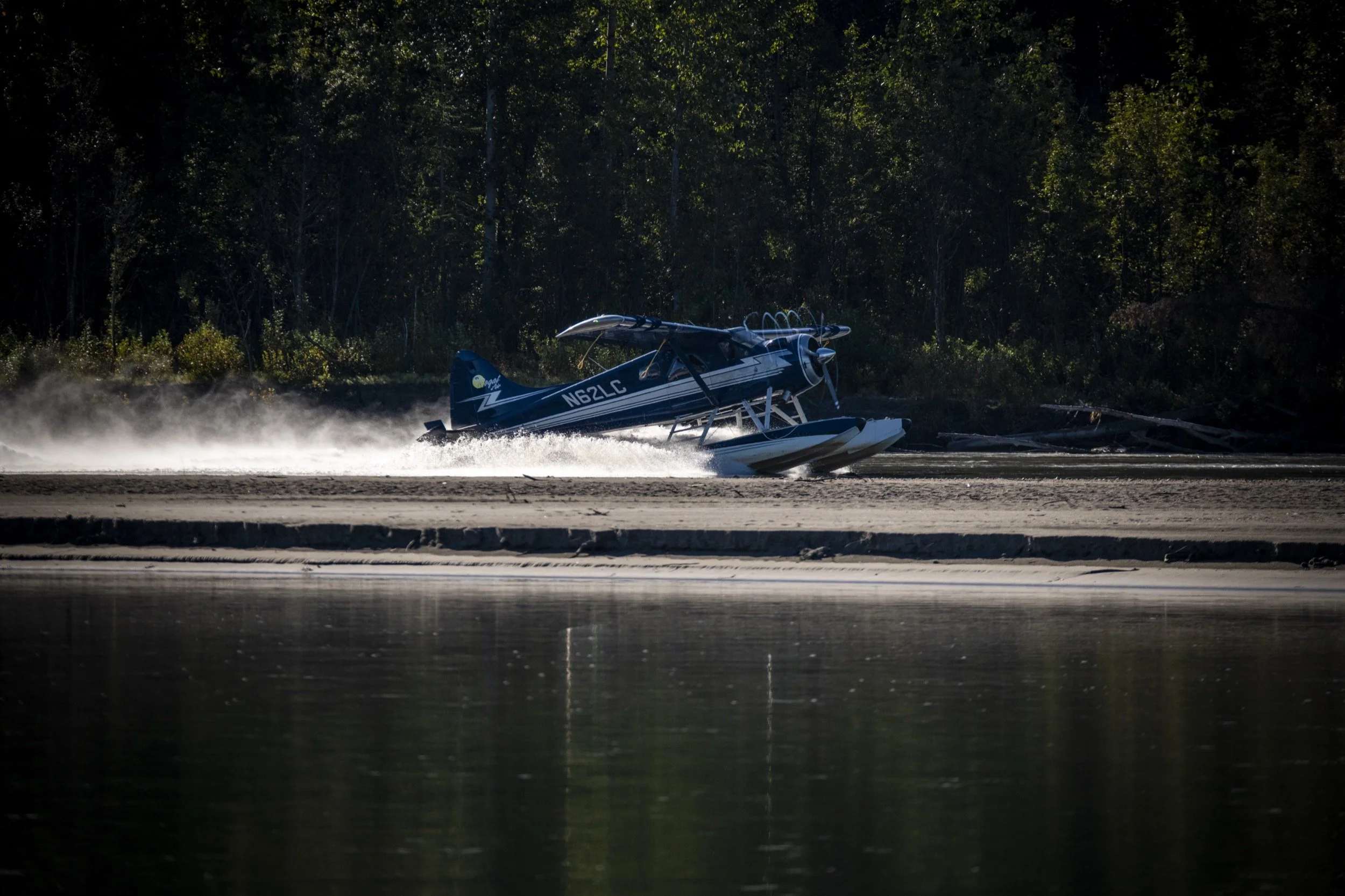
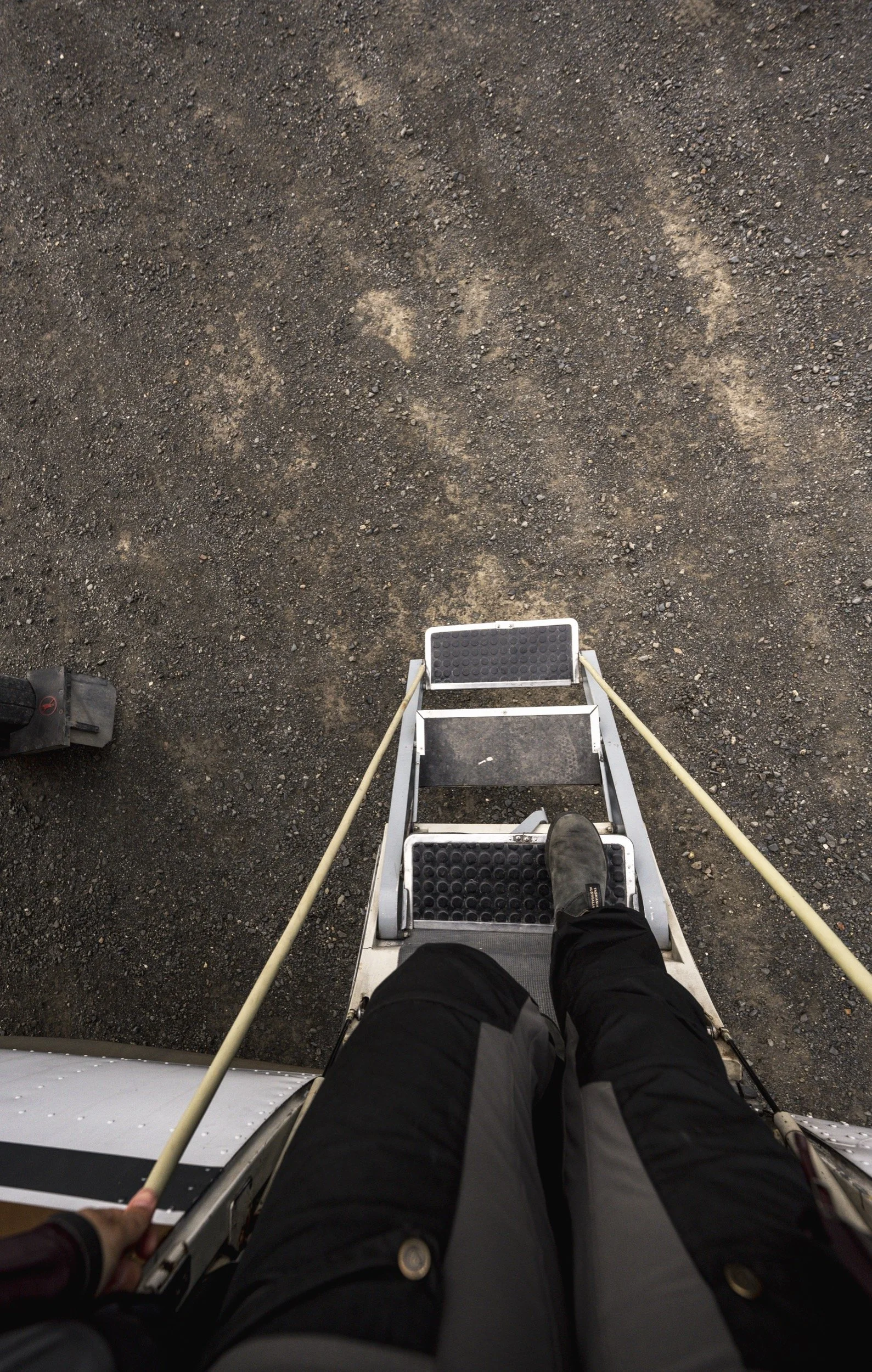
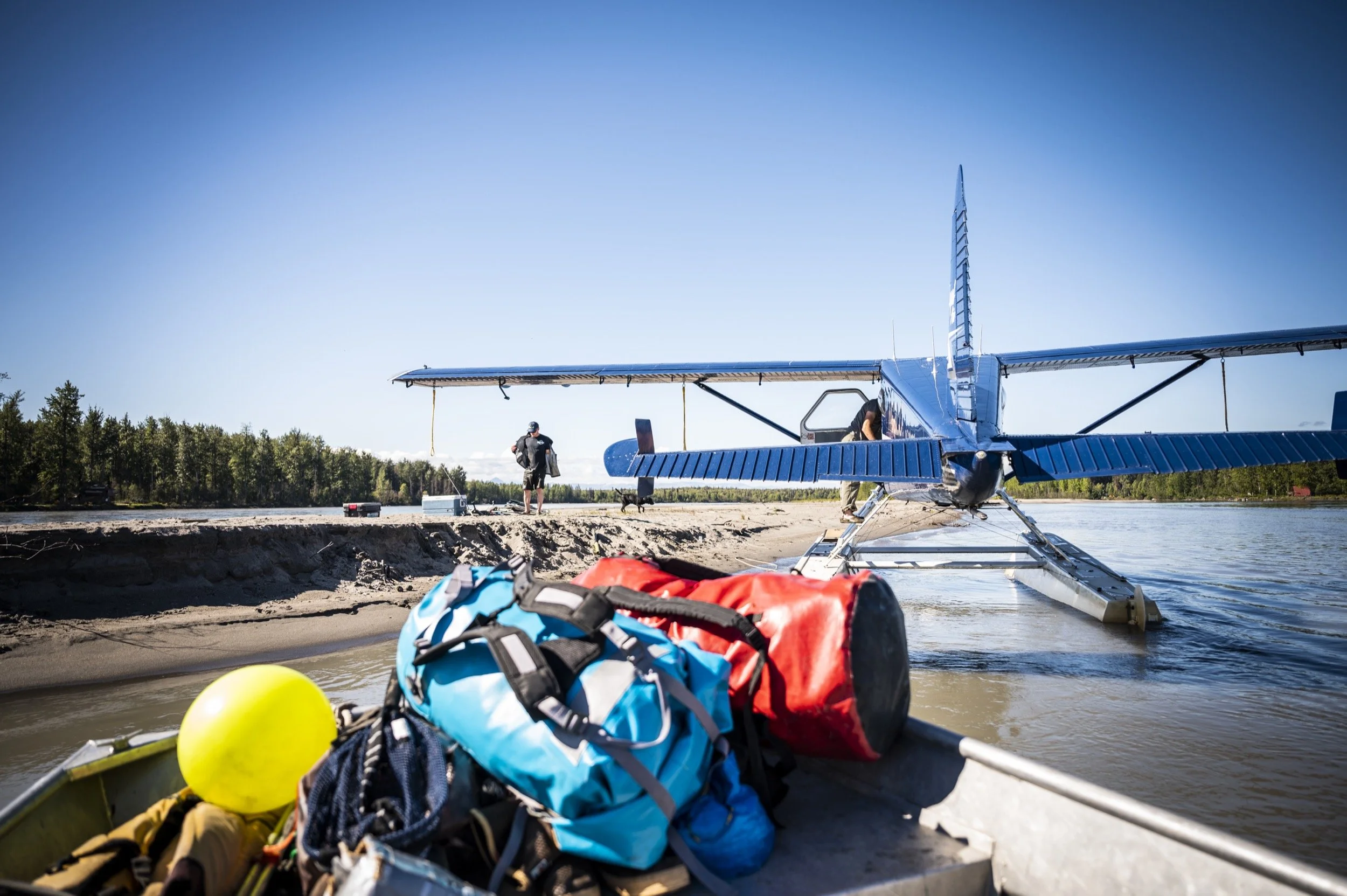
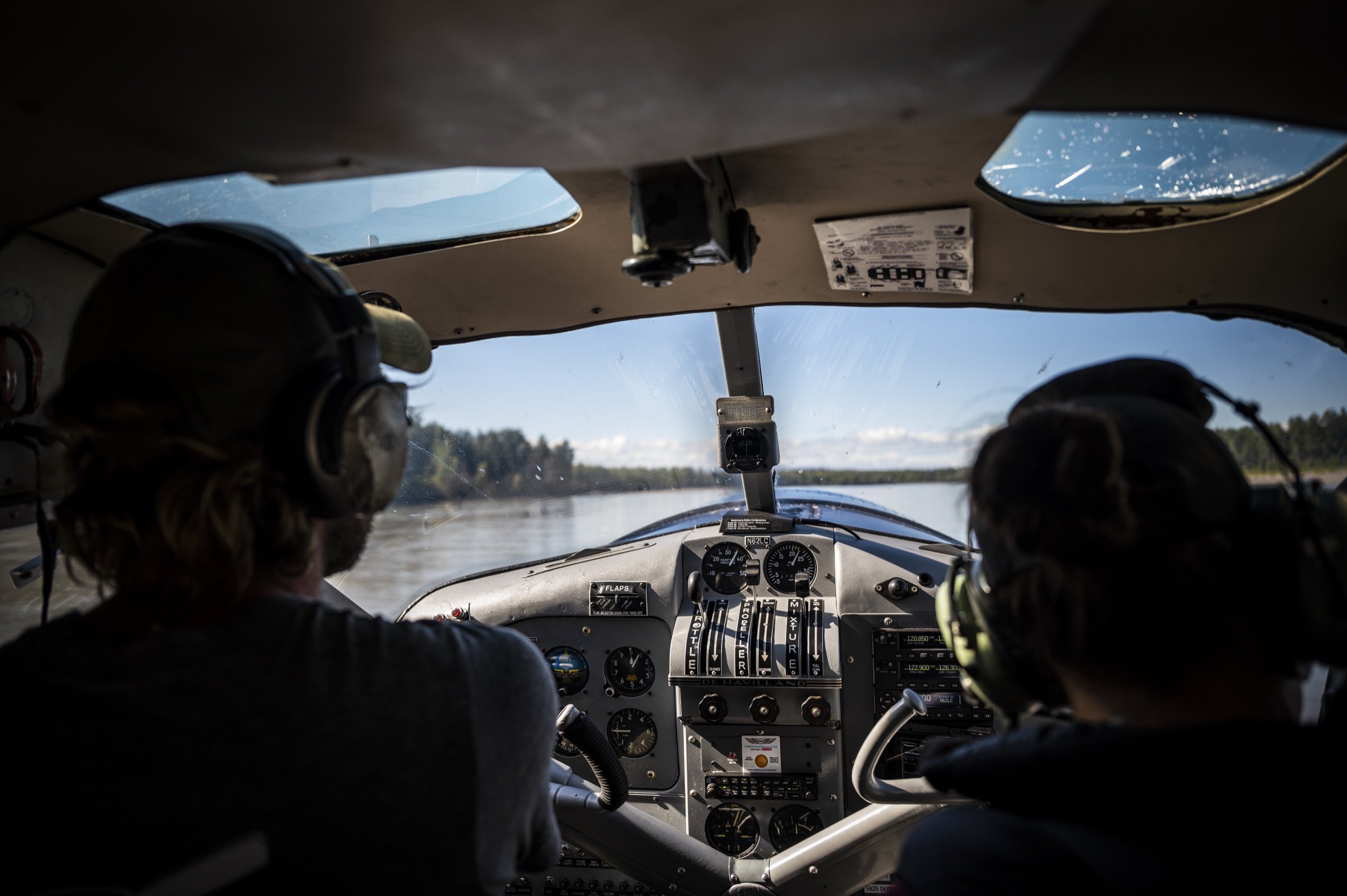
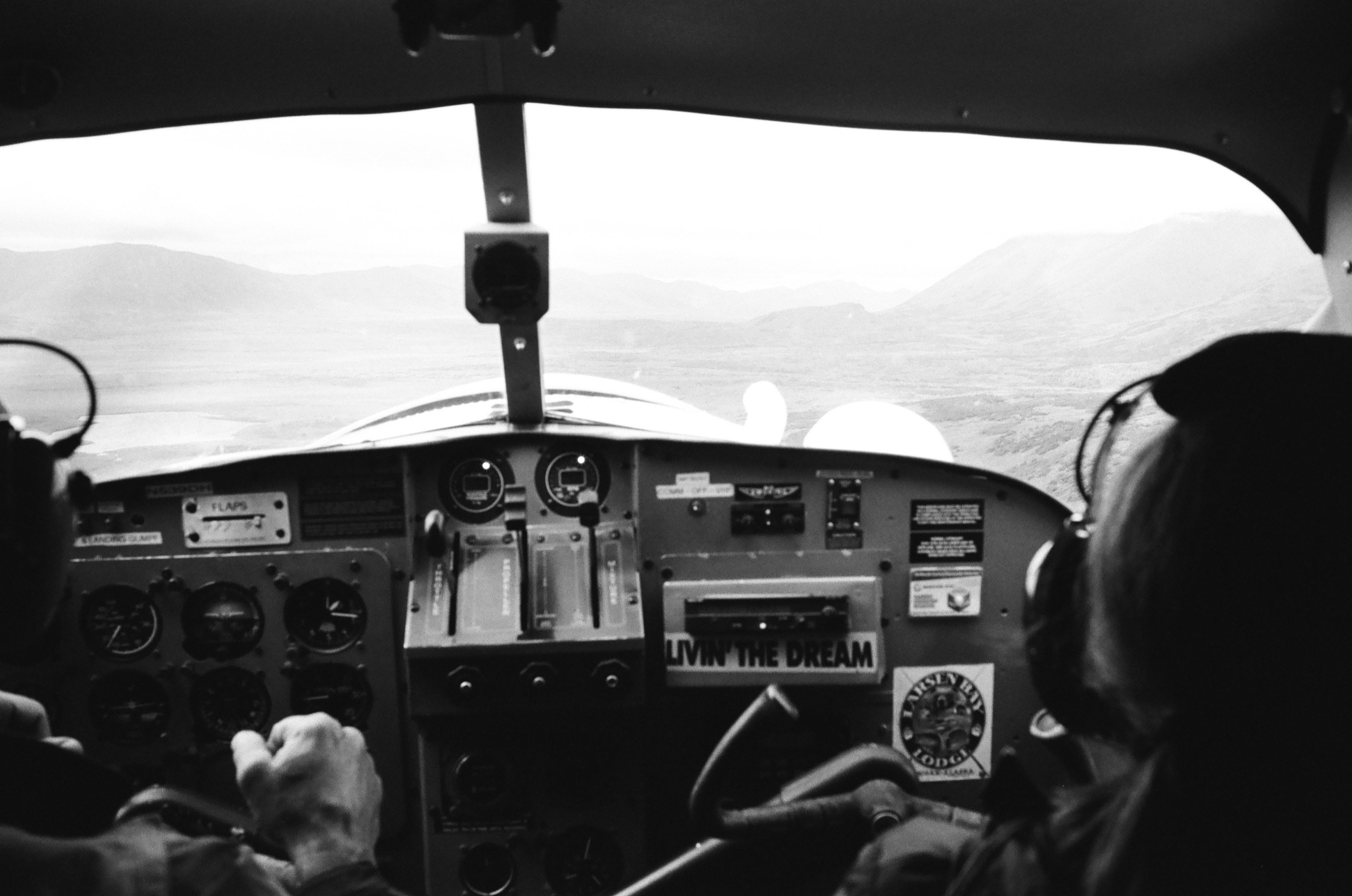
I like to photograph the aircraft itself. I photograph people loading bags and equipment. I photograph the pilots, the interior, the landscape outside the windows and the little moments that happen along the way.
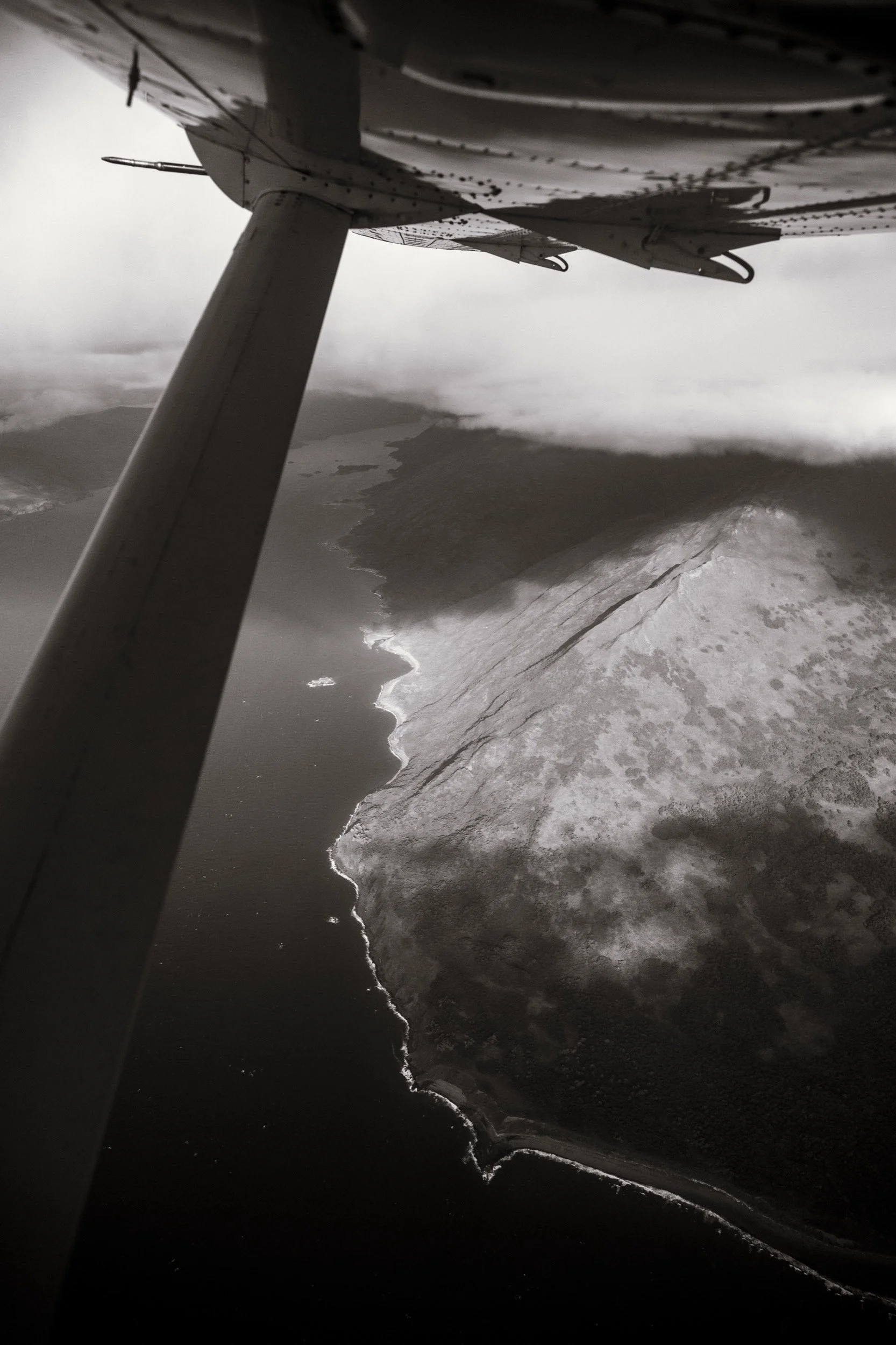
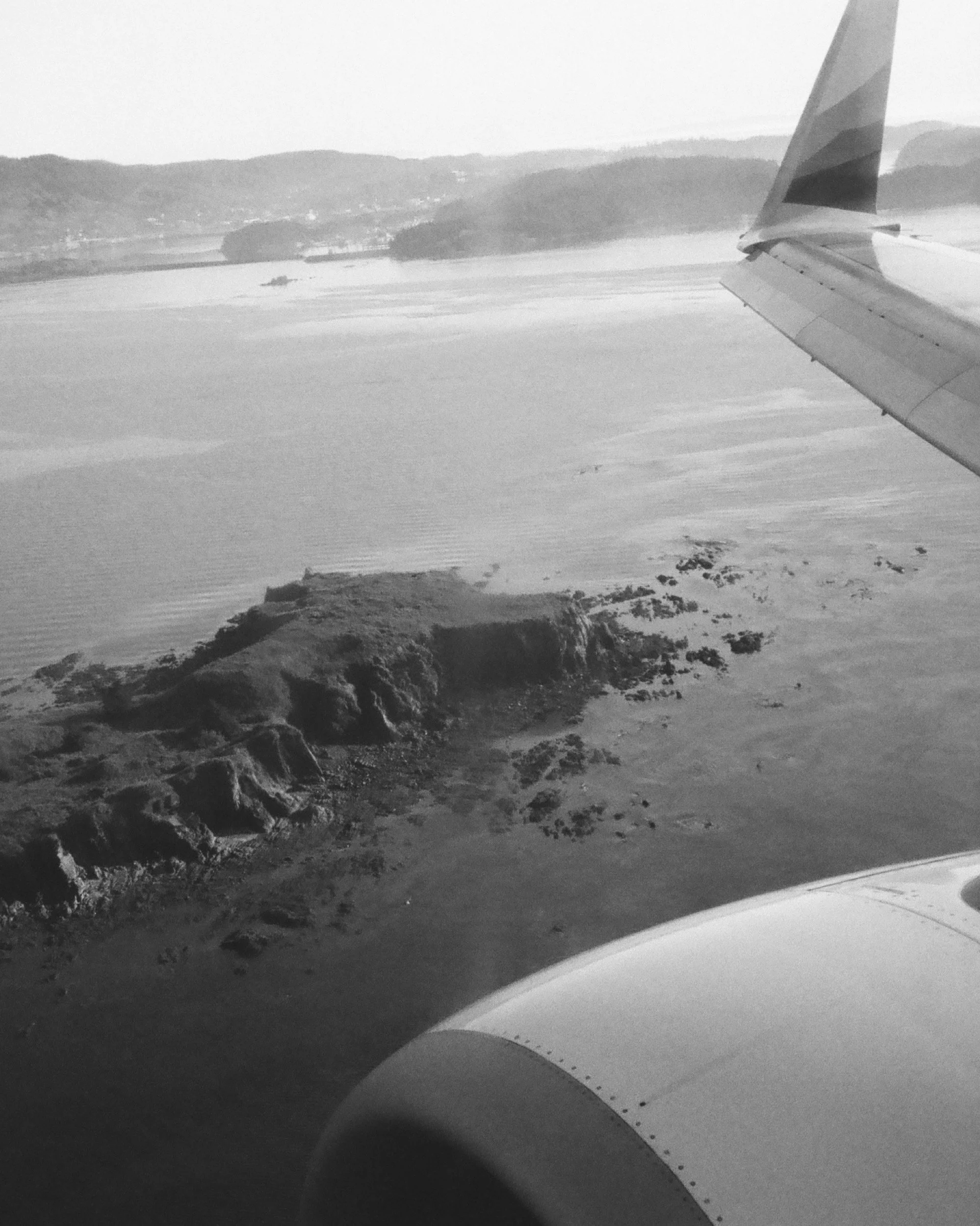
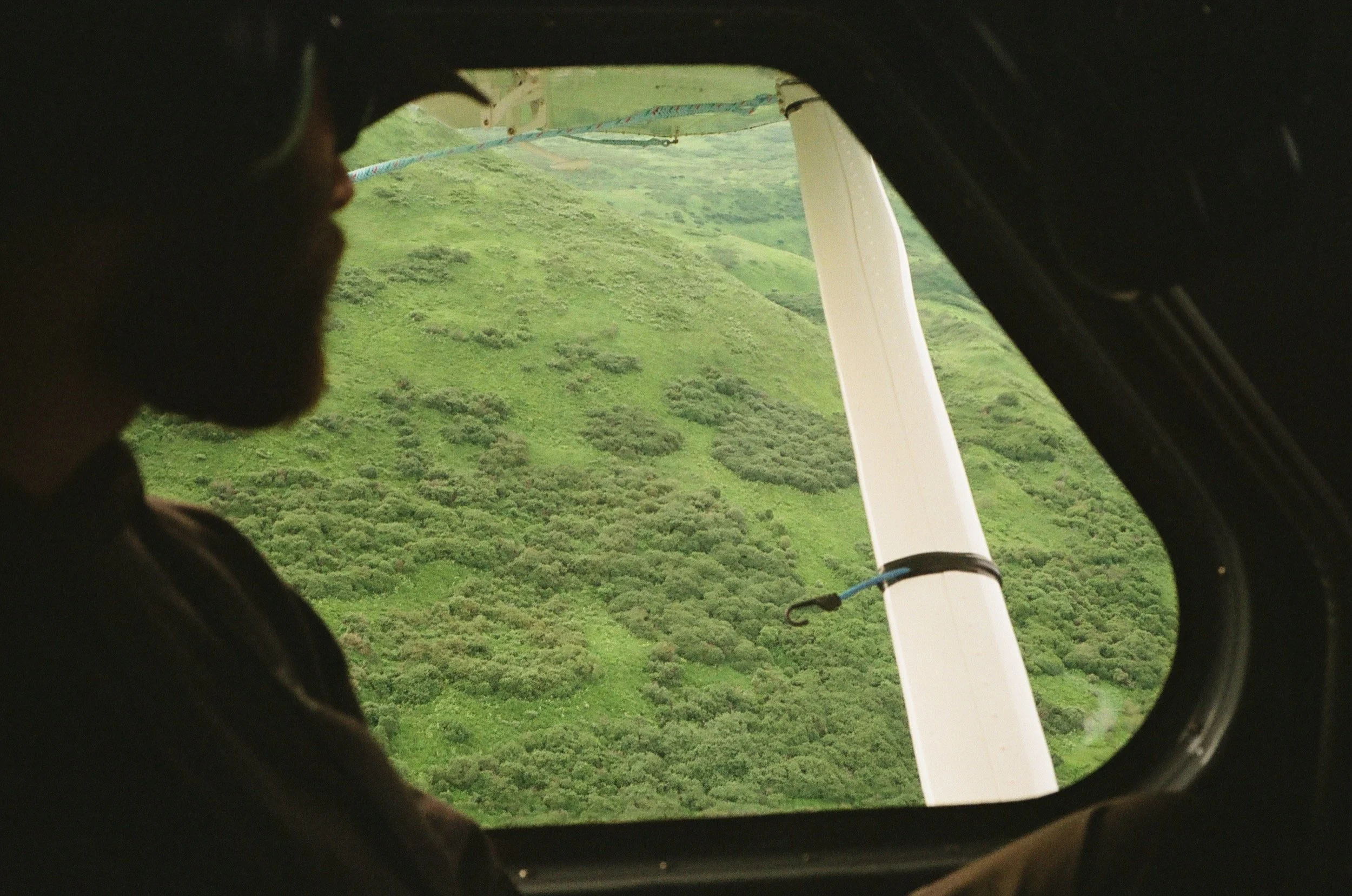
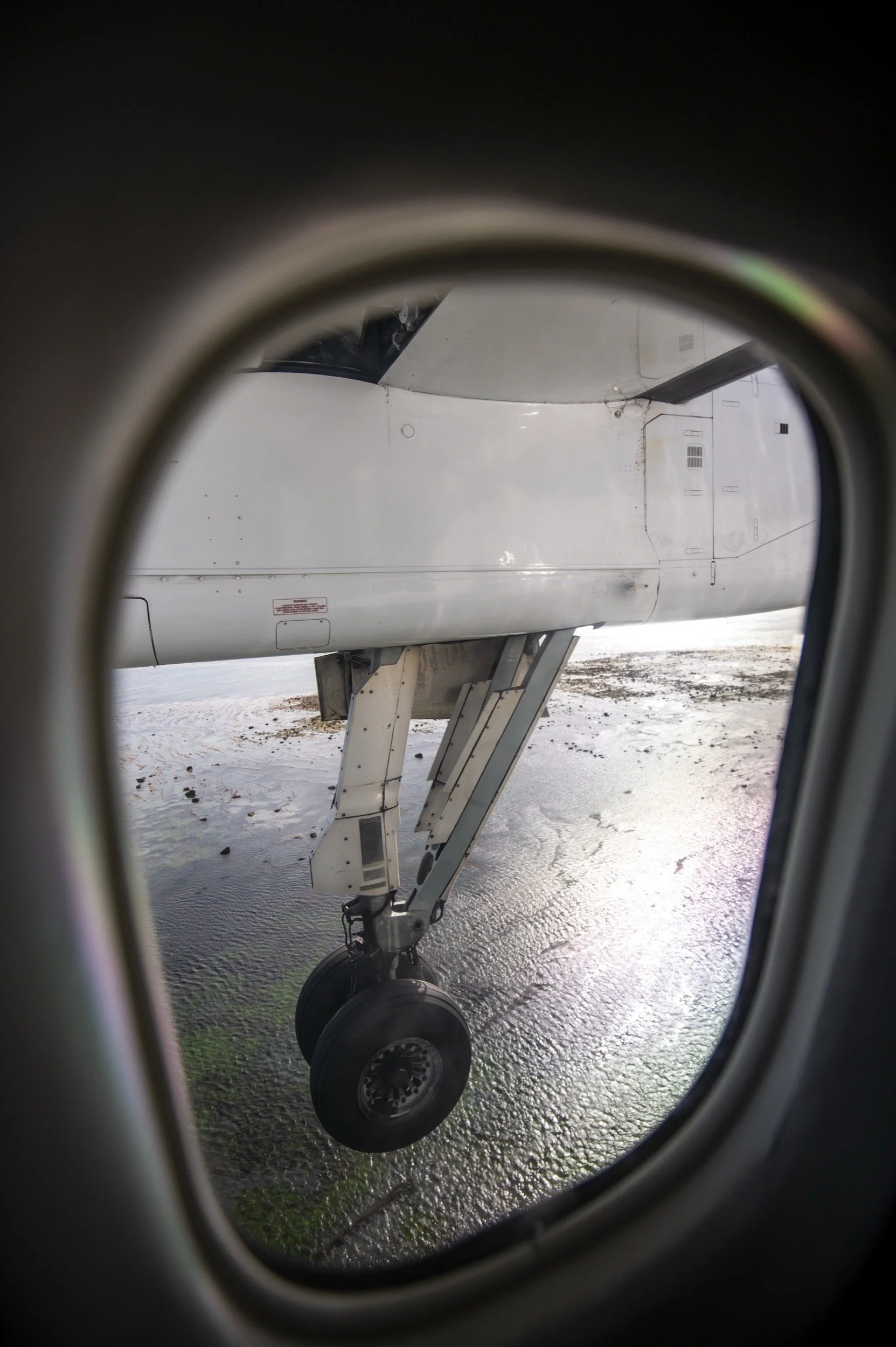
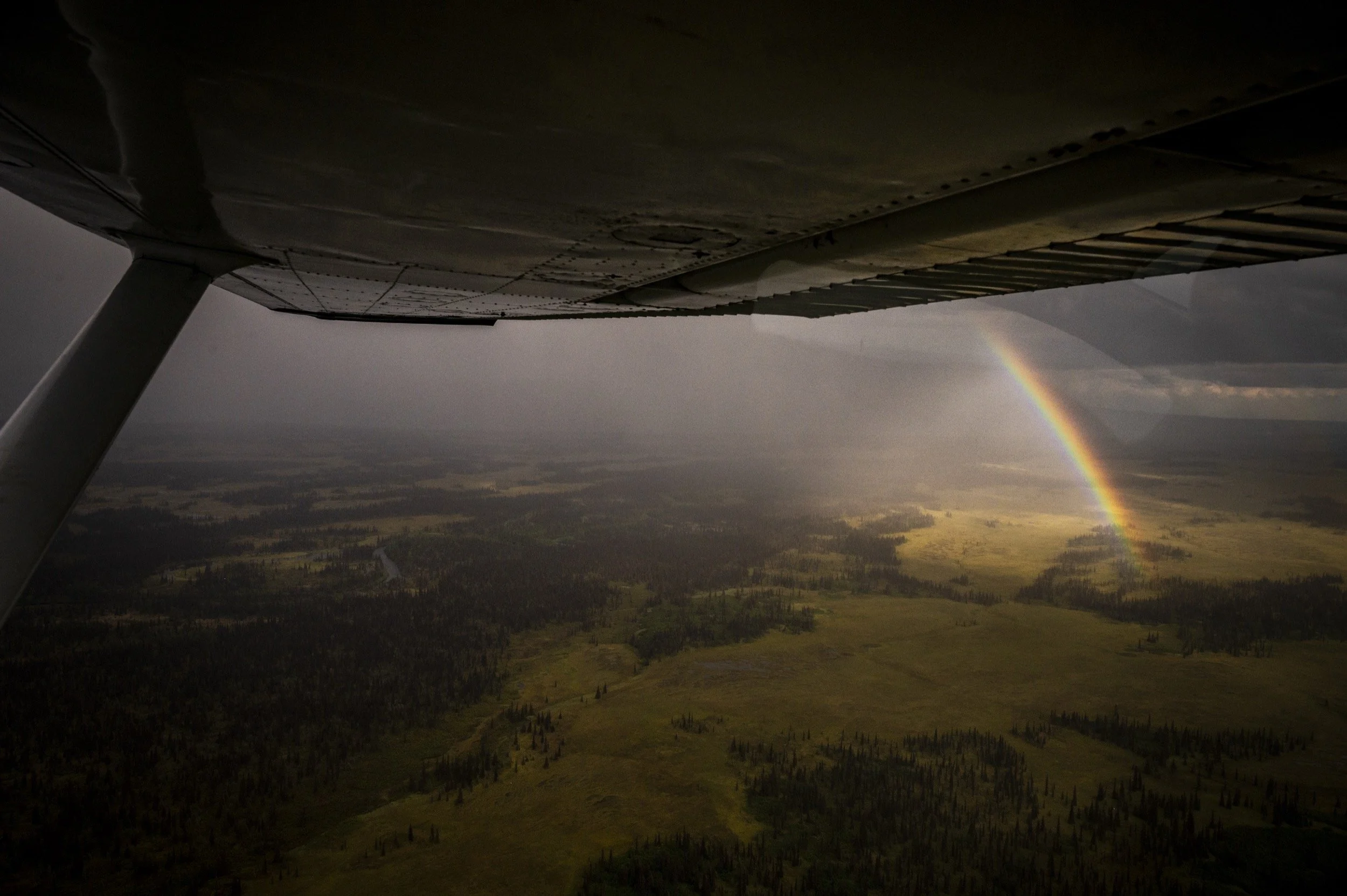
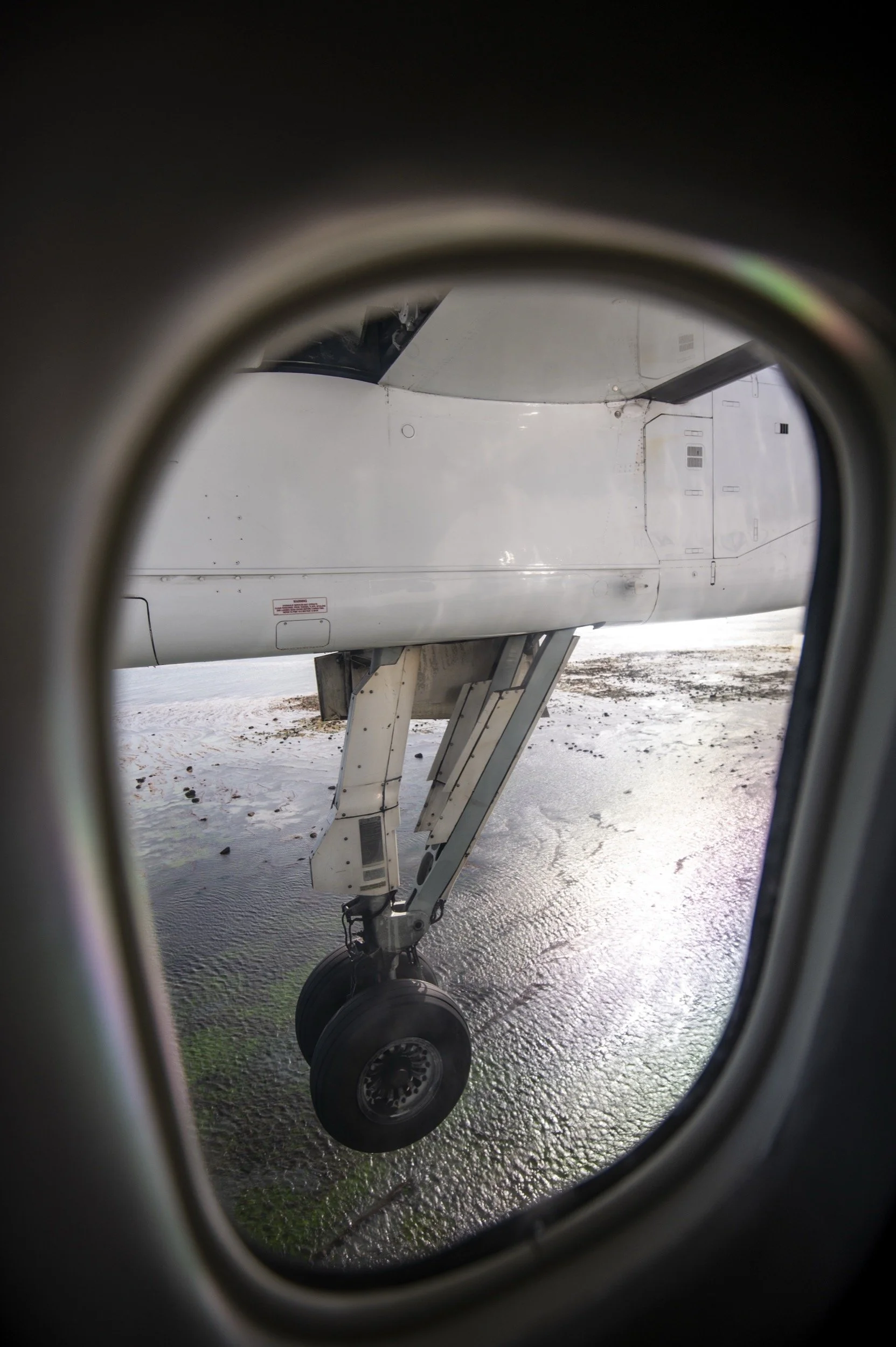
I also love using parts of the aircraft in the frame.
A wing, wheel, window or rotor can completely change an aerial photograph because suddenly the viewer understands where you are. Instead of simply seeing a beautiful landscape from above, they understand that you’re looking at it from a tiny aircraft flying through the middle of nowhere.
It gives the photograph scale and context.
And depending on the assignment, it can help communicate that sense of adventure that was part of getting there in the first place.
Some of my favorite photographs from trips weren't necessarily part of the planned shoot. They were photographs I made while getting to the place where the shoot was supposed to begin.
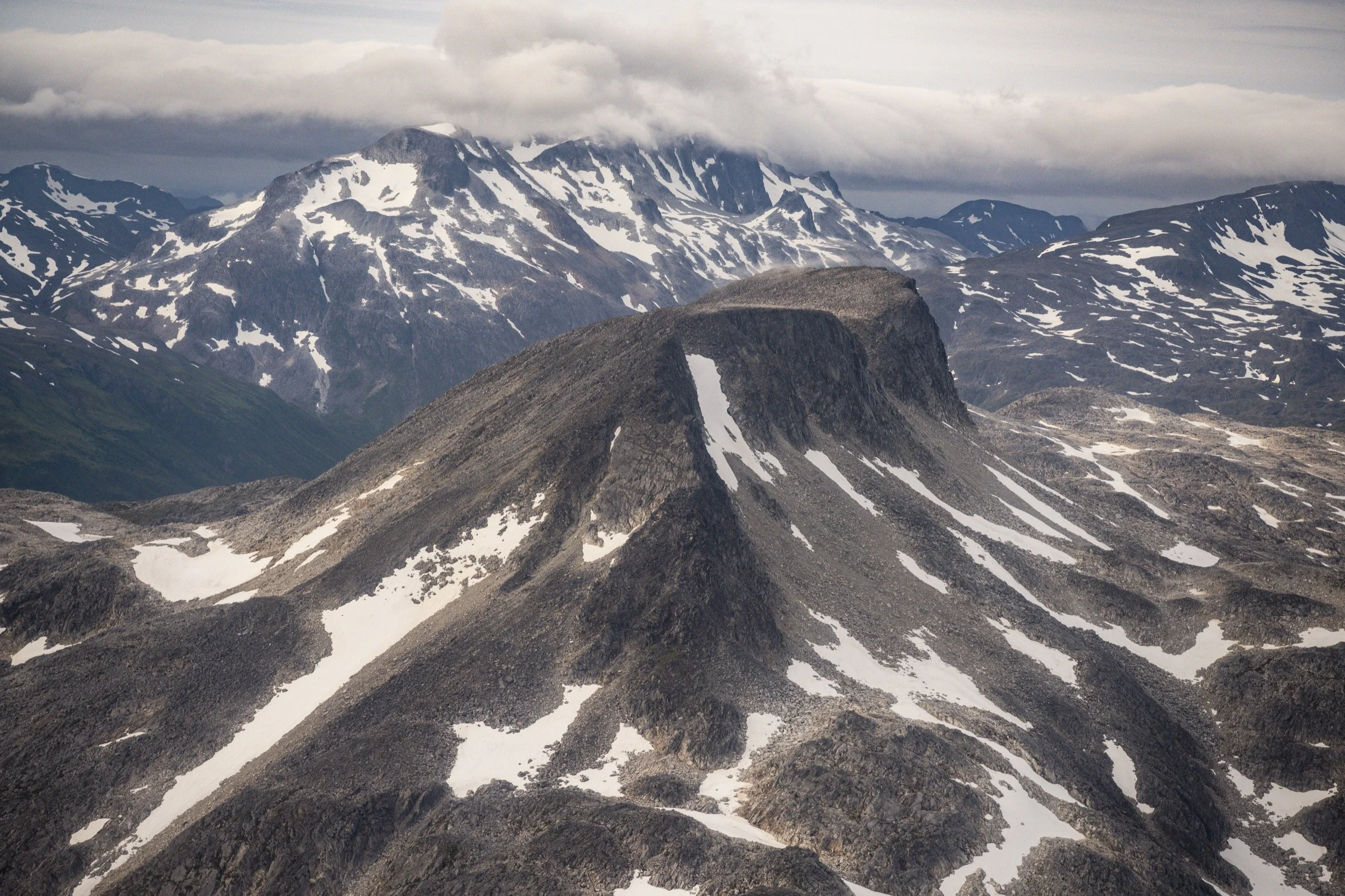
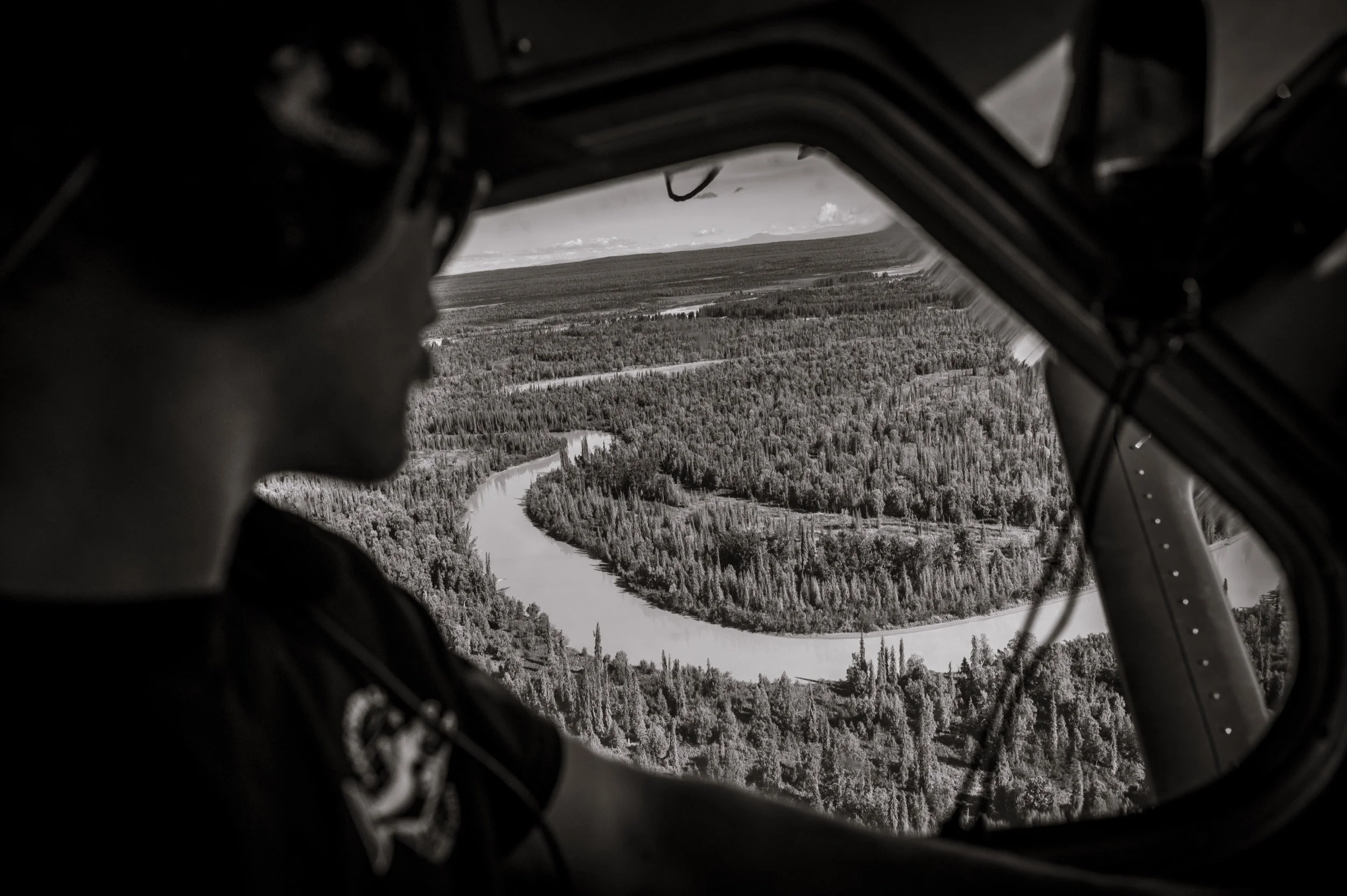
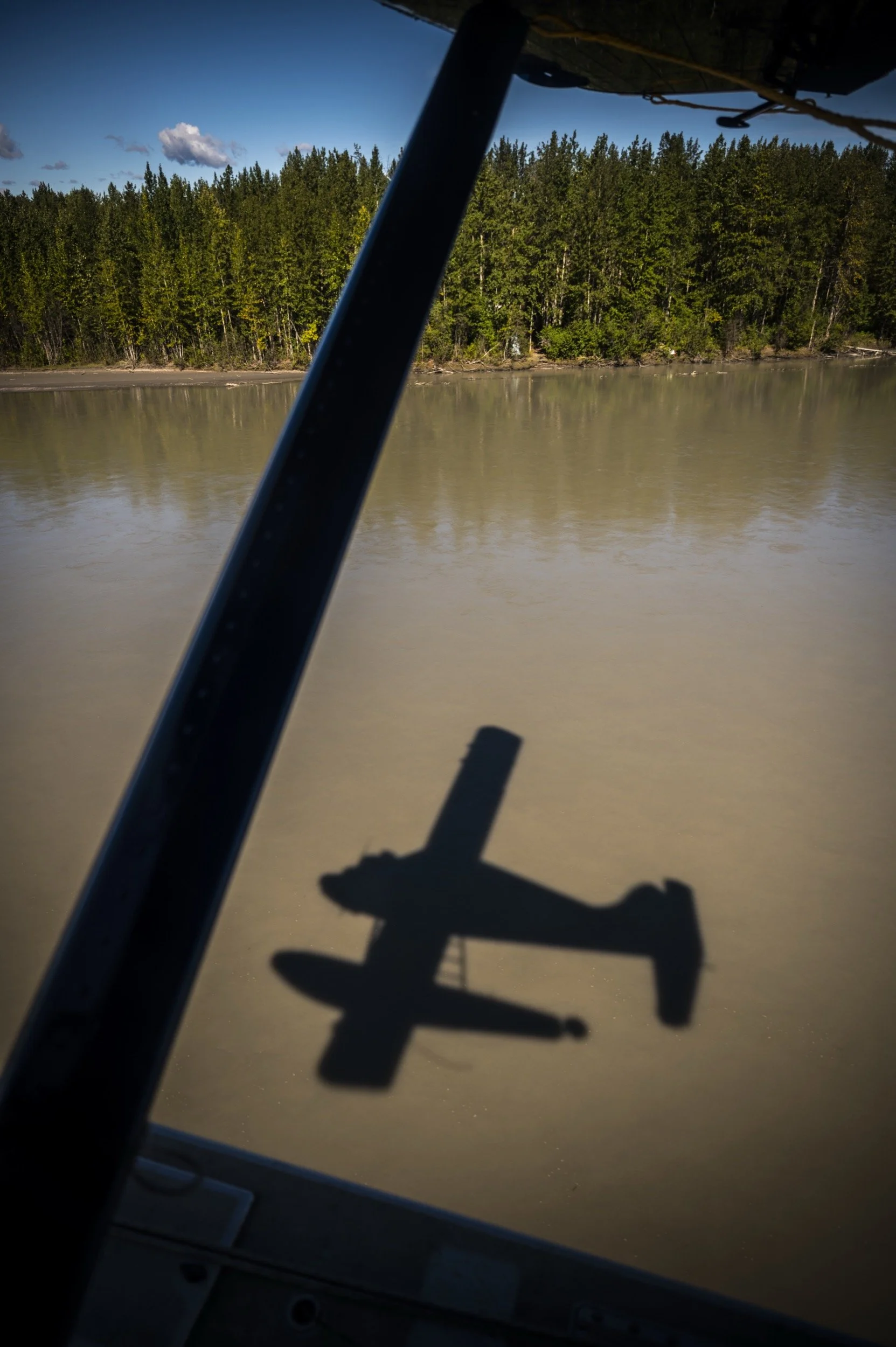
I have had many different flying experiences over the years. Some have rocked me to my core and left me absolutely terrified. Others have made me stop and realize just how incredibly lucky I am to experience such remote places.
I am forever grateful for all those experiences, even though not all of them have been great.
I have been terrified out of my mind, crying and shaking in 46 knots of crosswind off the coast of British Columbia, holding onto the hand of the passenger next to me as an old Bell helicopter from the 1970s was tossed around like a sardine can. I remember the helicopter pitching up and down and just how grateful I felt when we finally landed and I had my feet back on the ground.
But I have also had some incredible experiences.
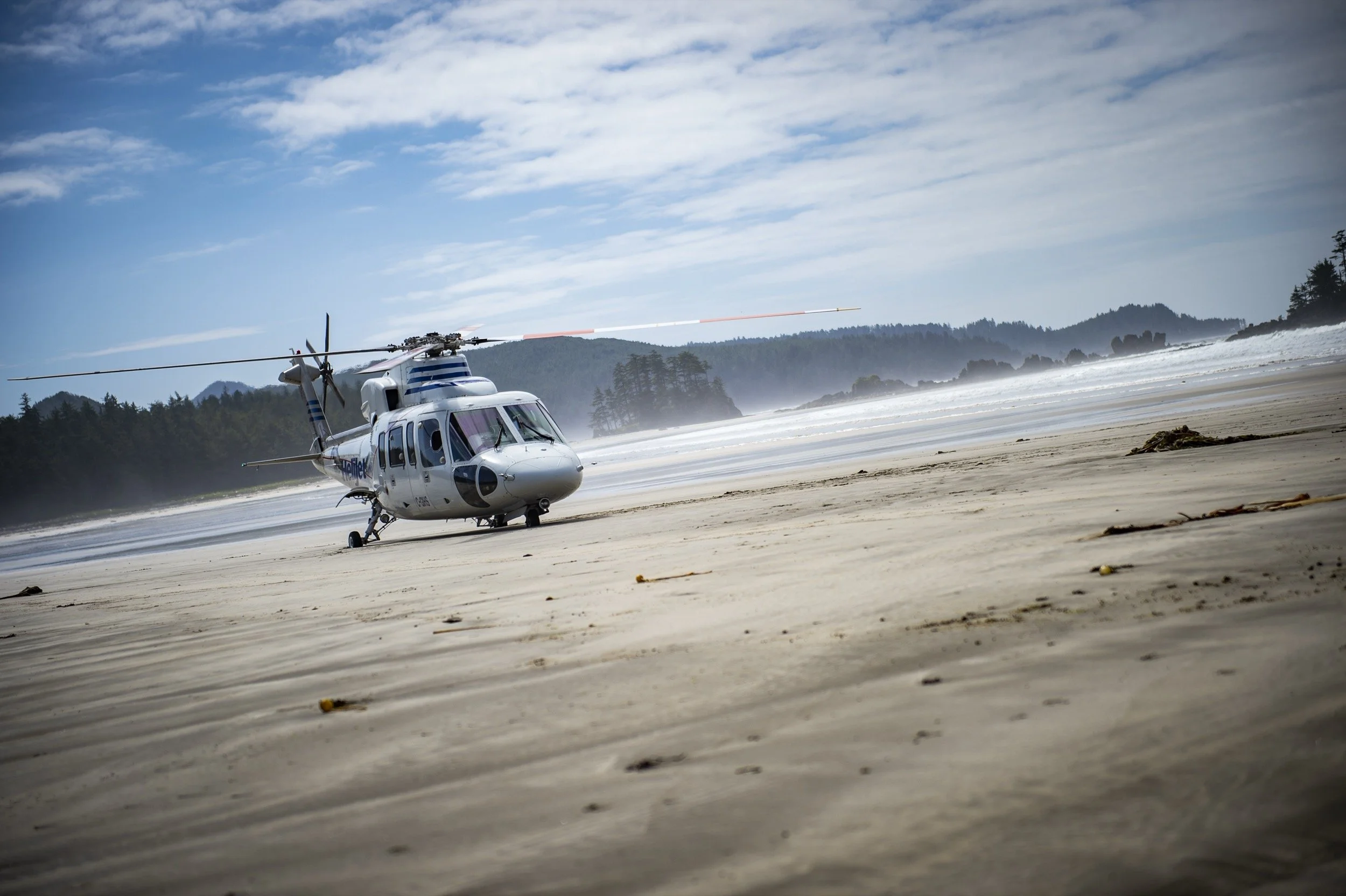
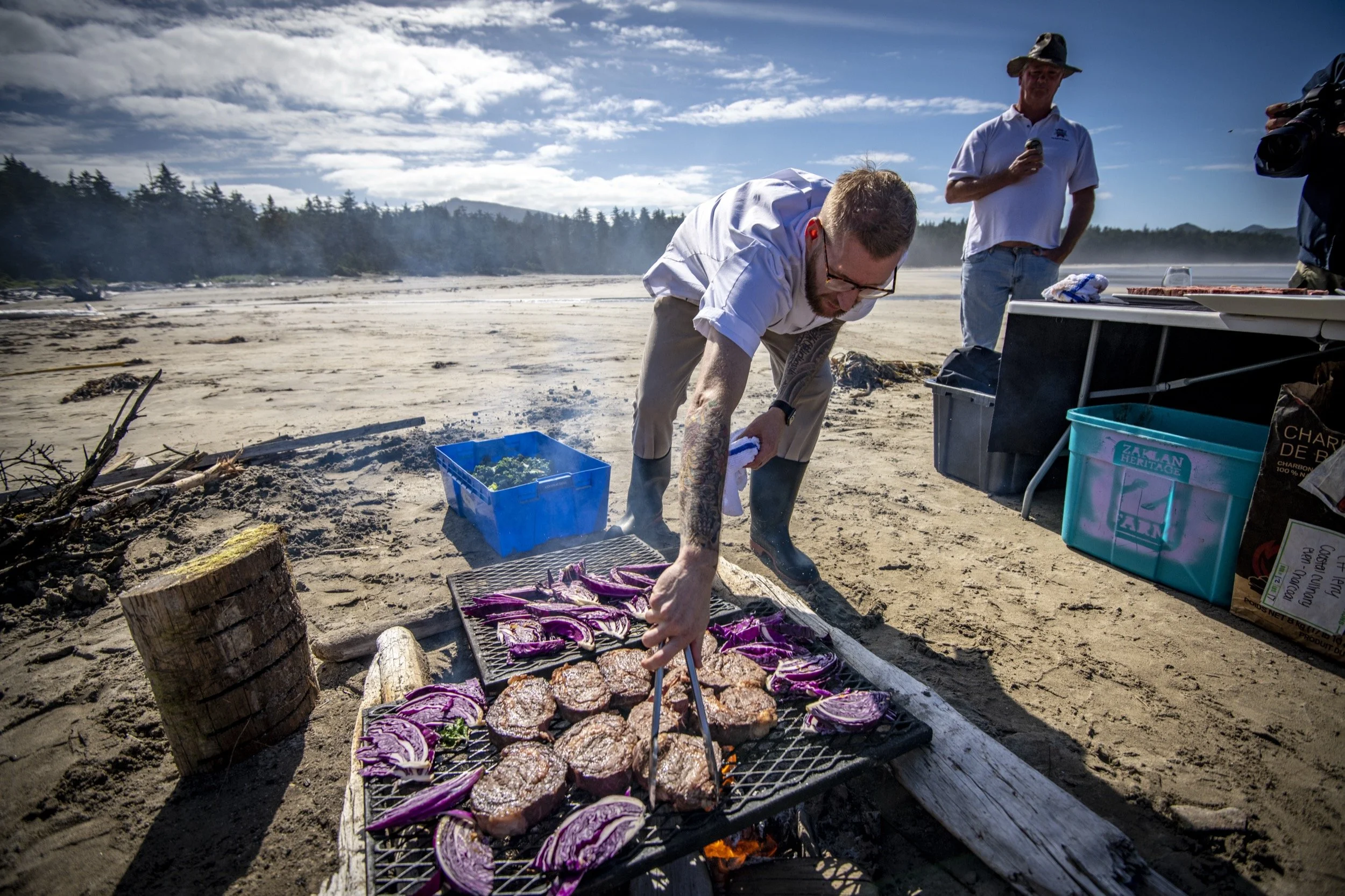
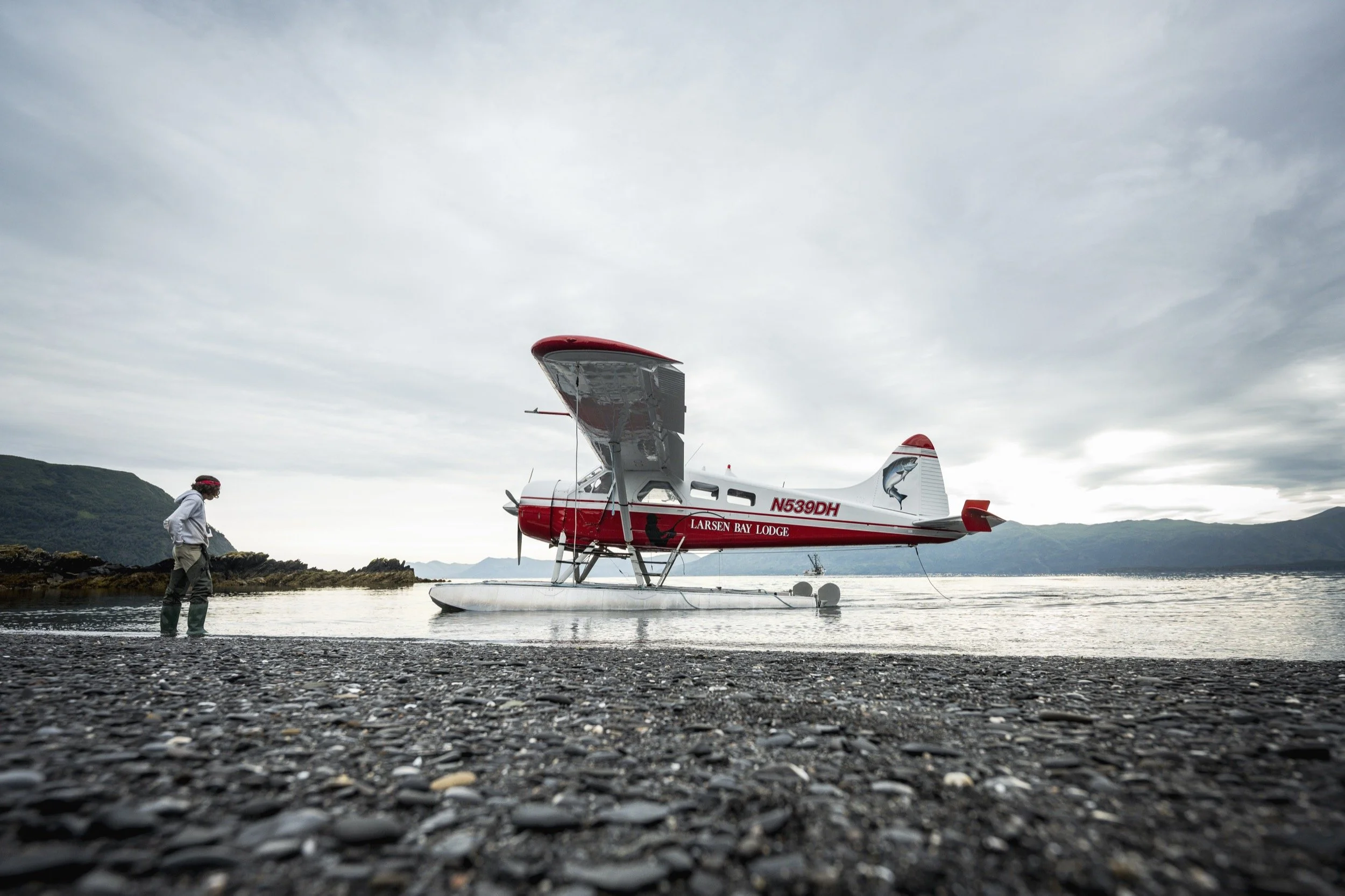
I've landed in private, remote areas to experience fine dining on a beach in the middle of nowhere. I've been dropped off in places where Kodiak bears roam and had the opportunity to photograph and observe them. I've flown over landscapes and into locations that I probably never would have experienced otherwise.
In the end, all these experiences have helped shape me.
Flying, for me, is no joke. Unfortunately, I've had some frightening flights over the years that have contributed to an extreme fear of flying. Yet I also know that sometimes on the other side of that fear is an adventure—and an opportunity to step foot somewhere very few people ever get to go.
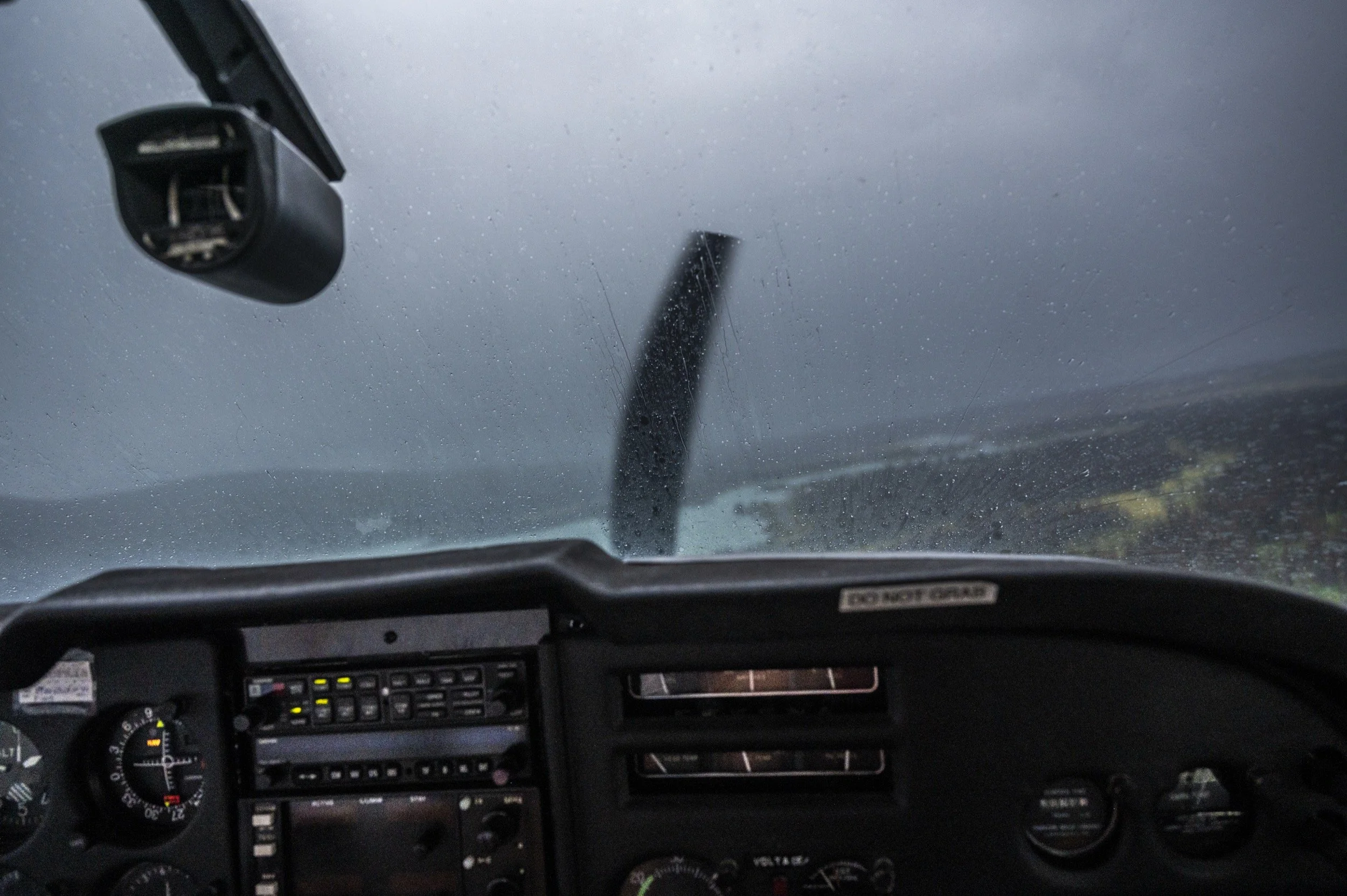
4. If You Have to Shoot Through a Window, Watch the Reflections
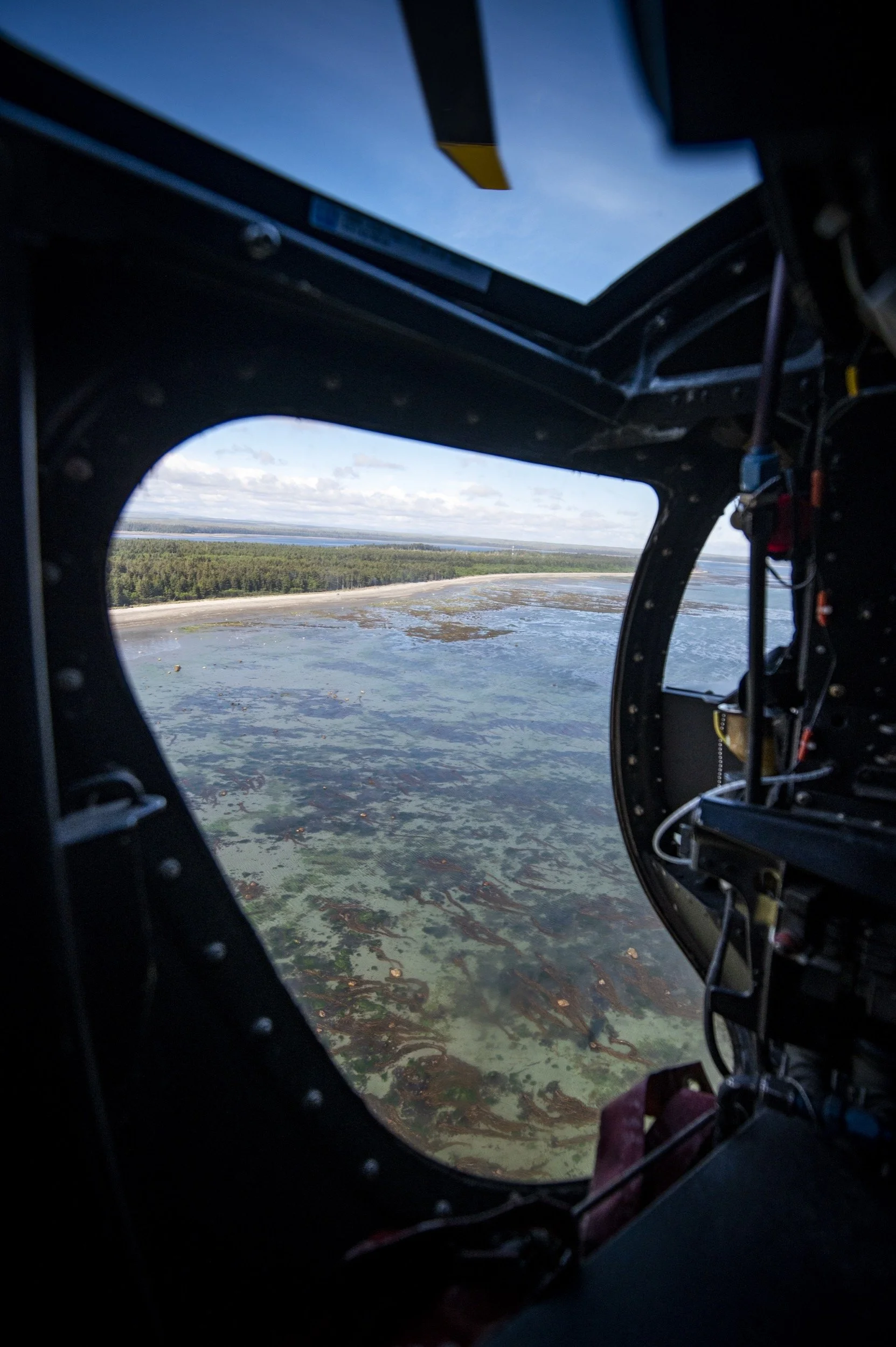
Photographing through an open window or door is ideal, but sometimes that simply isn't possible.
The aircraft might not allow it, the conditions might not allow it, or the particular plane or helicopter might not have a window that opens.
And shooting through aircraft windows can be challenging.
Plexiglass can be tinted, curved, scratched or simply not very optically clear. Most of that is completely outside of your control.
What you can control is how you shoot through it.
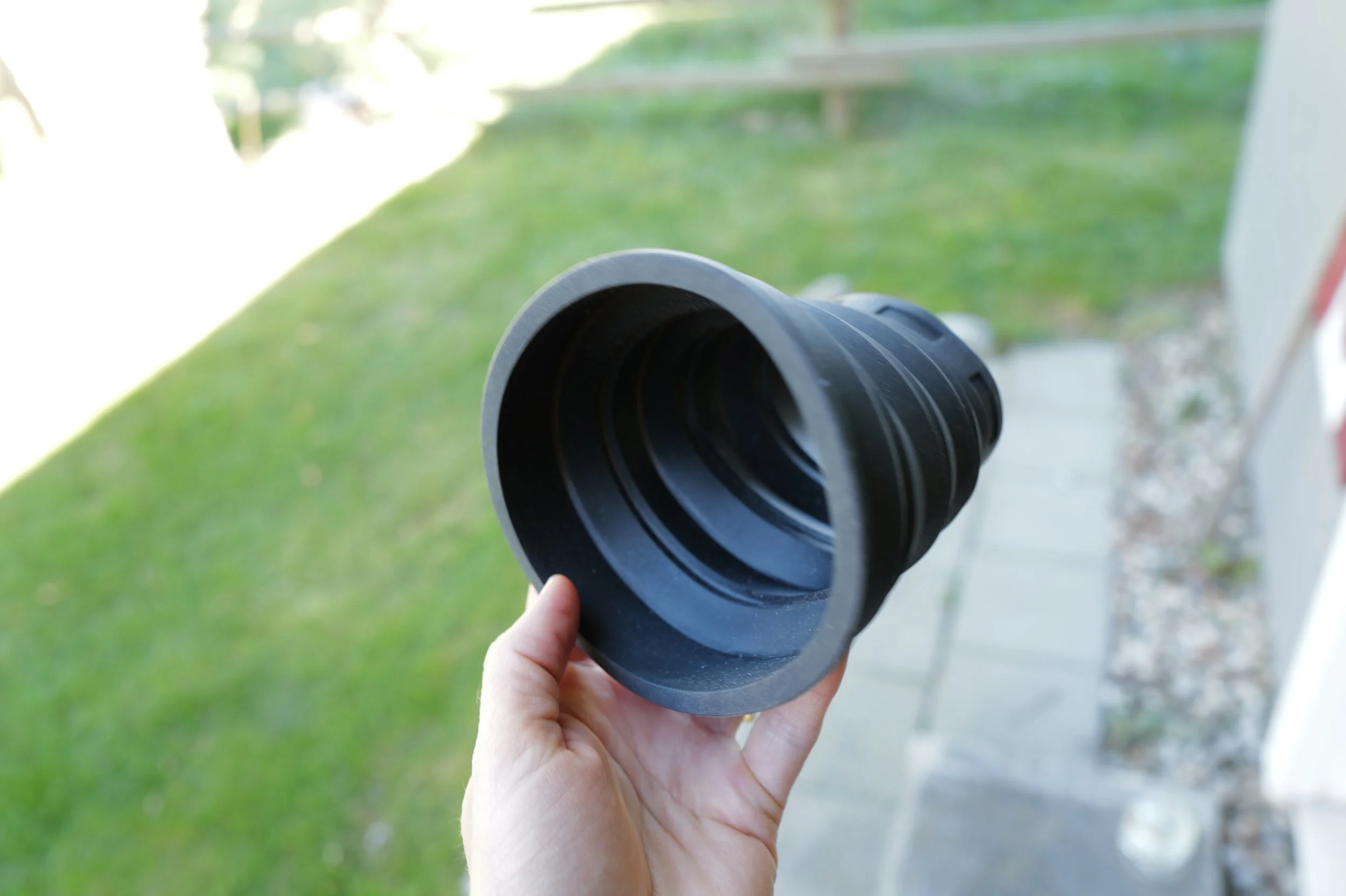
A lens hood can help reduce reflections, but one of the most useful things you can carry is a flexible rubber lens hood. You can place it against the window and create a little barrier around the lens, blocking light from inside the cabin from reflecting back into your photograph.
Your clothing can also make a surprisingly big difference.
If you're wearing a bright shirt while photographing through a window, don't be surprised when you start seeing that color reflected in your images. Dark, neutral clothing can make life much easier.
You may not be able to make a scratched piece of Plexiglass disappear, but eliminating as many other variables as possible gives you a much better chance of coming home with usable photographs.
5. It's Colder Than You Think
This sounds obvious, but it is surprisingly easy to forget.
The higher you climb, the cooler the air gets. Add an open window or door and things can become uncomfortable very quickly.
Bring layers.
Trying to operate a camera when your hands are freezing and you can barely feel your fingers is not fun. You also don't necessarily have the option of saying, "Can we land for a minute so I can grab another jacket?"
You're up there. The clock is running.
Be prepared before you leave the ground.
And as I mentioned earlier, think about the color of those layers if you know you'll be photographing through windows. Bright clothing can create reflections, so I generally prefer darker or more neutral colors.
Take the Opportunity
It's not lost on me how fortunate I've been to have some of these experiences.
I've photographed from planes and helicopters while traveling to and from incredibly remote places. I've flown into Haida Gwaii, traveled by air into remote parts of Alaska, landed on beaches and flown into places most people will never have the opportunity to see.
Sometimes the flight was specifically for photography.
Sometimes it was simply how we had to get there.
Either way, when someone gives you the opportunity to climb into a small plane or helicopter with your camera, you don't want to spend the first half of the flight figuring out what you're doing.
Have your cameras ready. Have your gear secured. Talk to your pilot. Dress for the conditions. Think about the story you're trying to tell.
And then, despite the noise, the wind, the cold—and in my case, a heart rate that's probably considerably higher than it should be—look out the window.
Because the view can be incredible.