Taking a 1960s Film camera into the wilds of Alaska.
By Jessica Haydahl Richardson
Most people who travel to Alaska to photograph the famous Alaskan brown bear generally bring massive, expensive lenses and the latest and greatest digital gear — everything that allows them to capture that magnificent moment of a brown bear eating salmon up close and personal. Photographers typically arrive carrying monopods, portable stools, and big backpacks, setting up their gear in anticipation of wildlife and action.
While all those images are incredible to see and capture, I decided to head to Alaska this year with a slightly different approach.
The idea of simplicity.
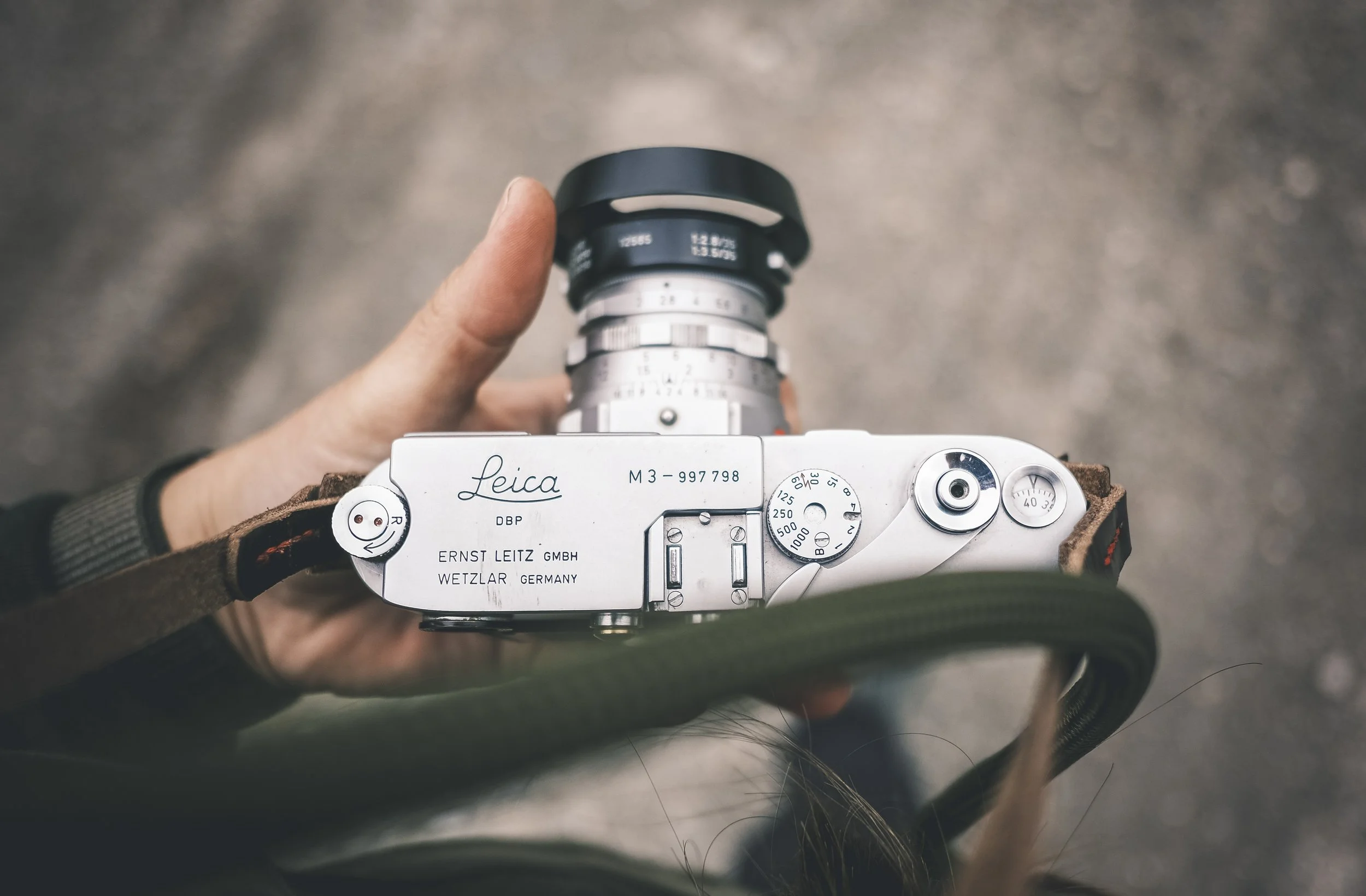
With my 1960s Leica M3 single-stroke camera in hand, I set out into the Alaskan wilderness to see what images I could create on film.
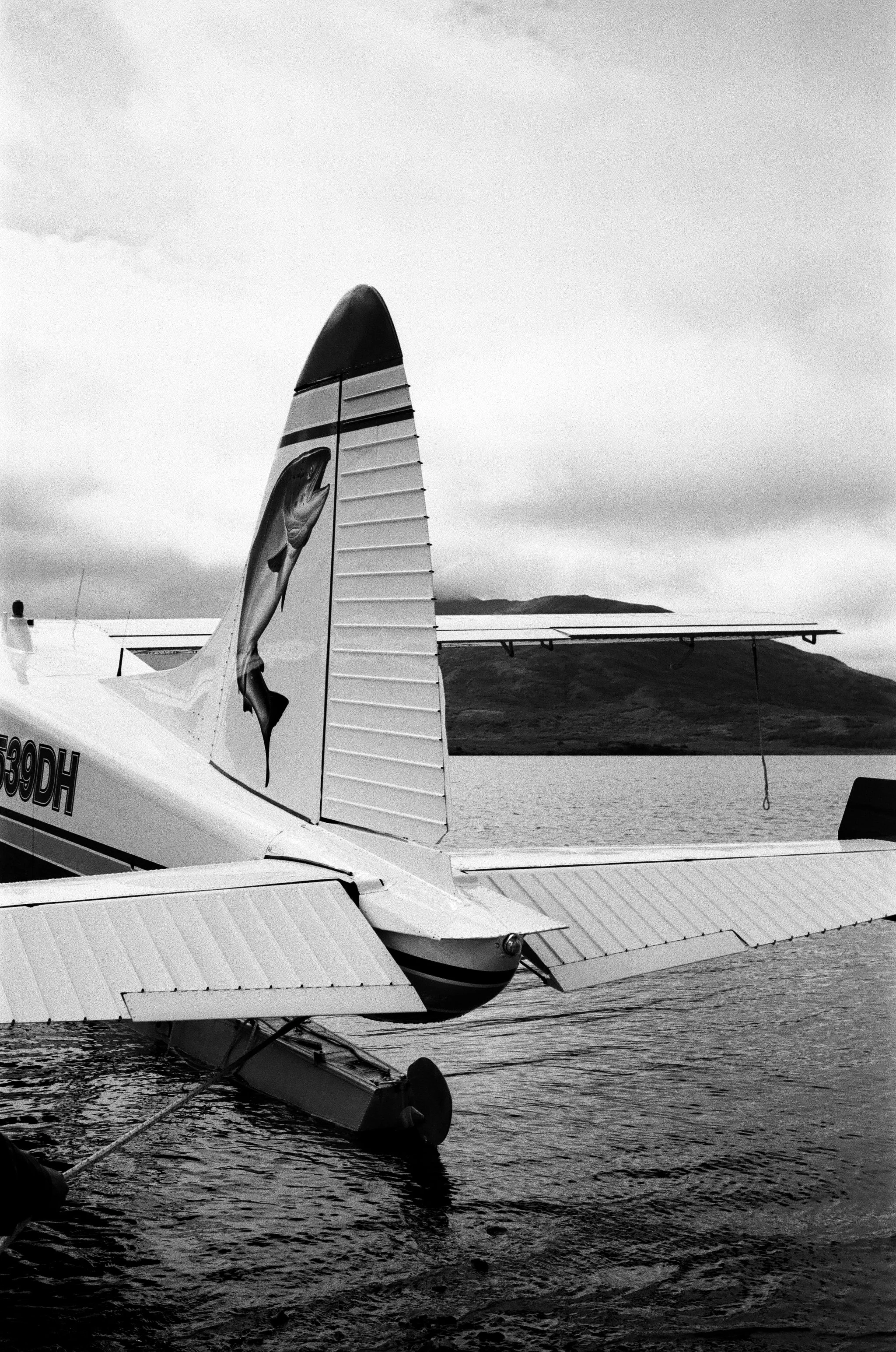
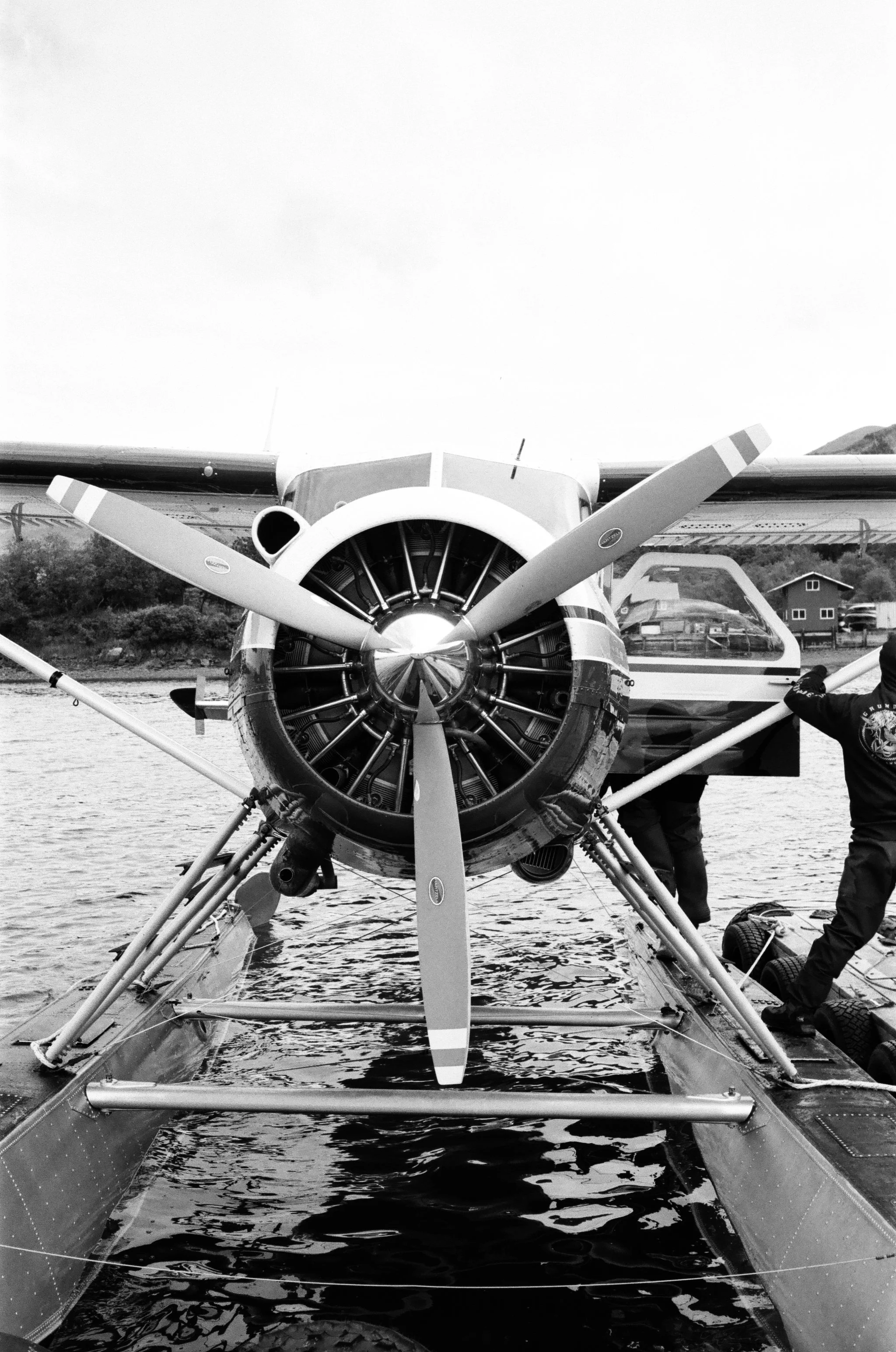
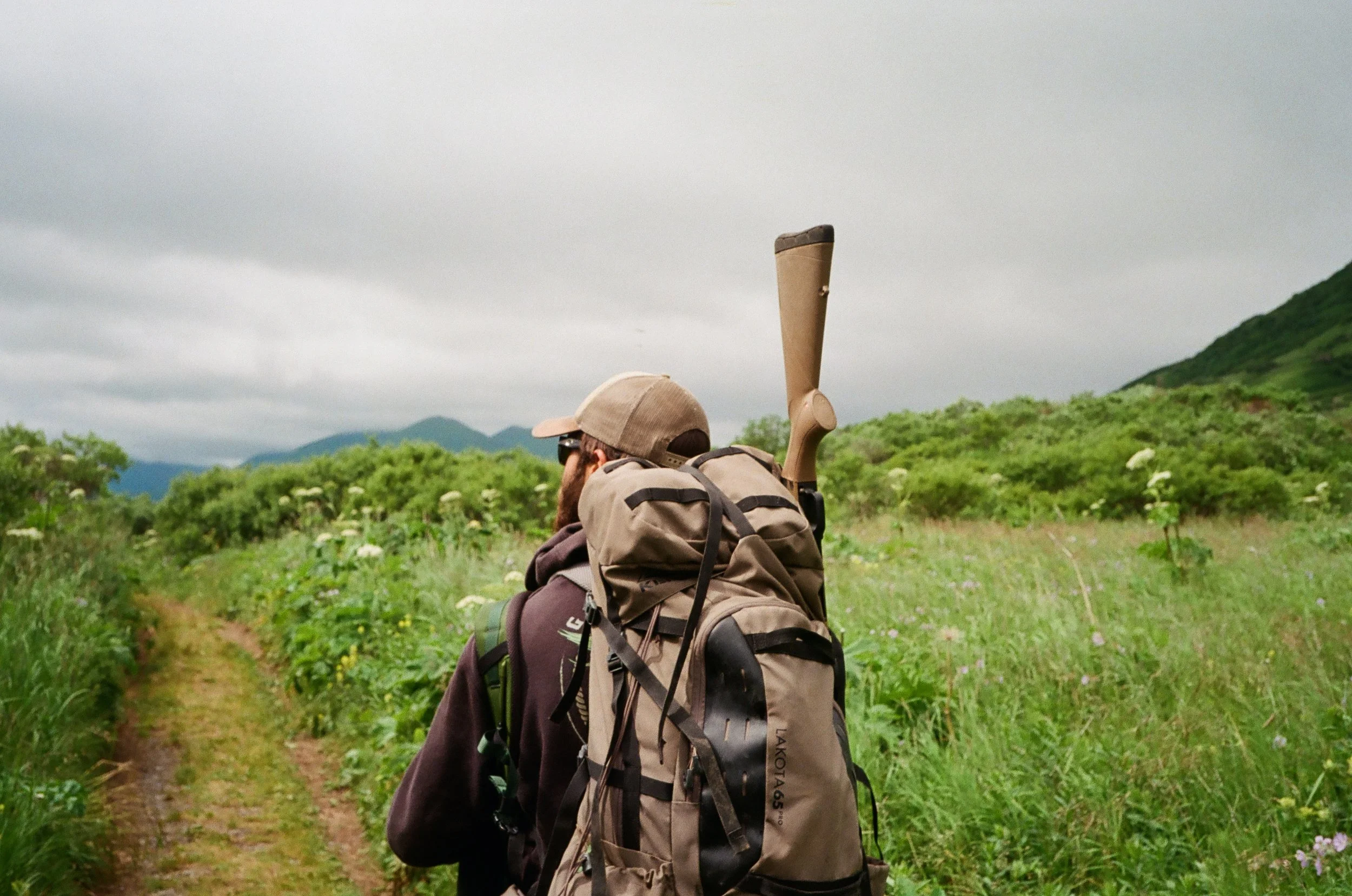
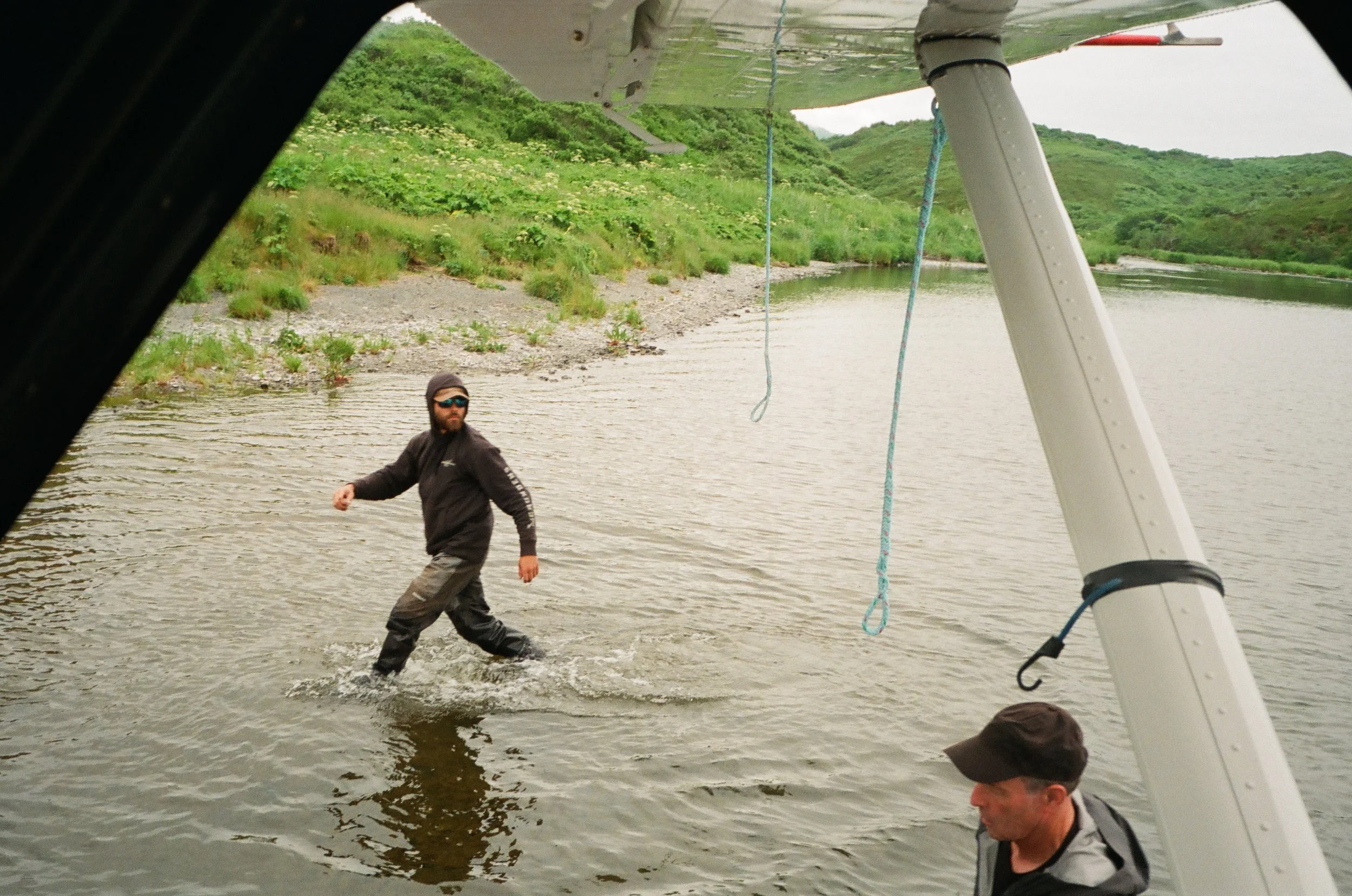
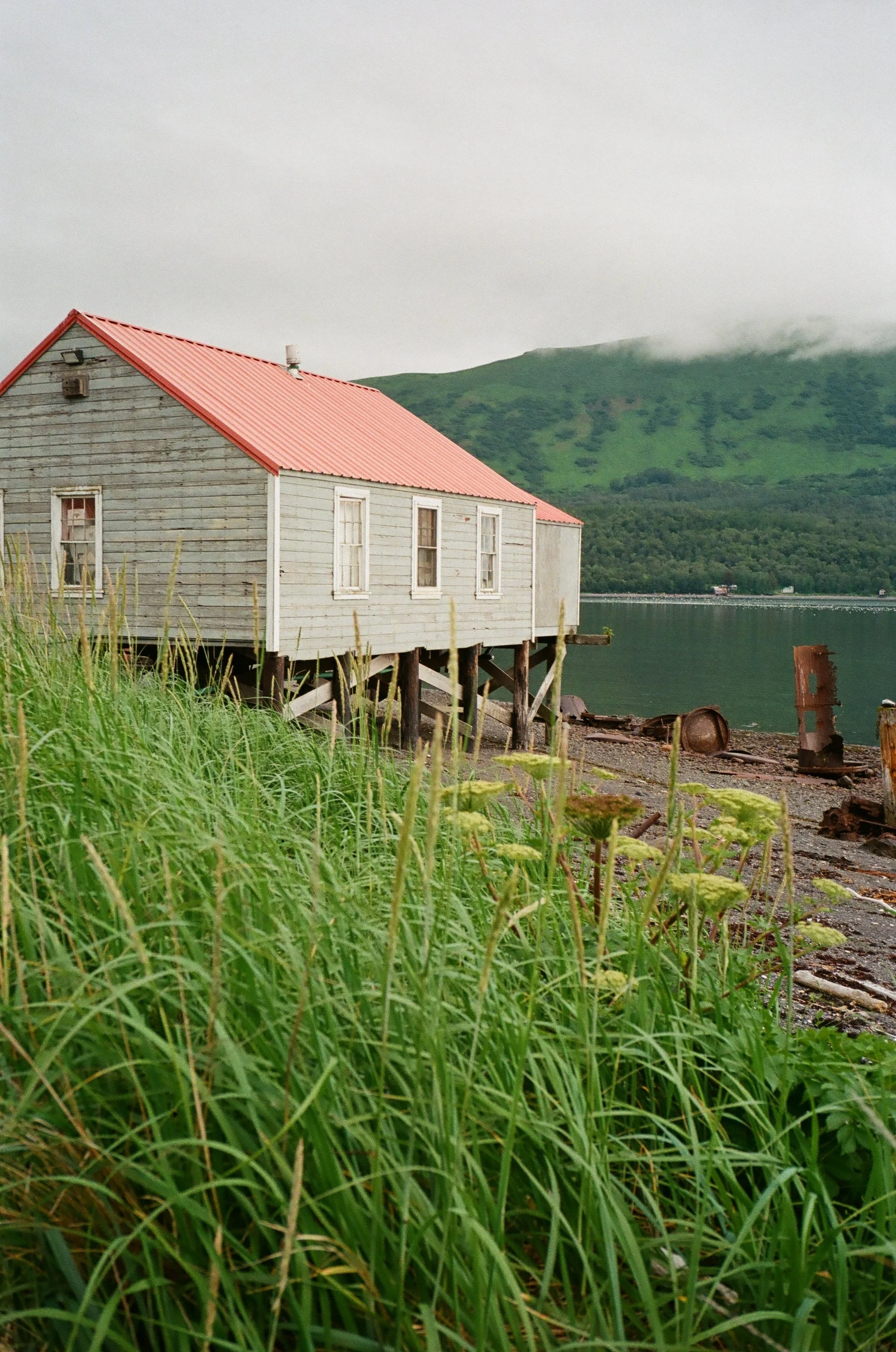
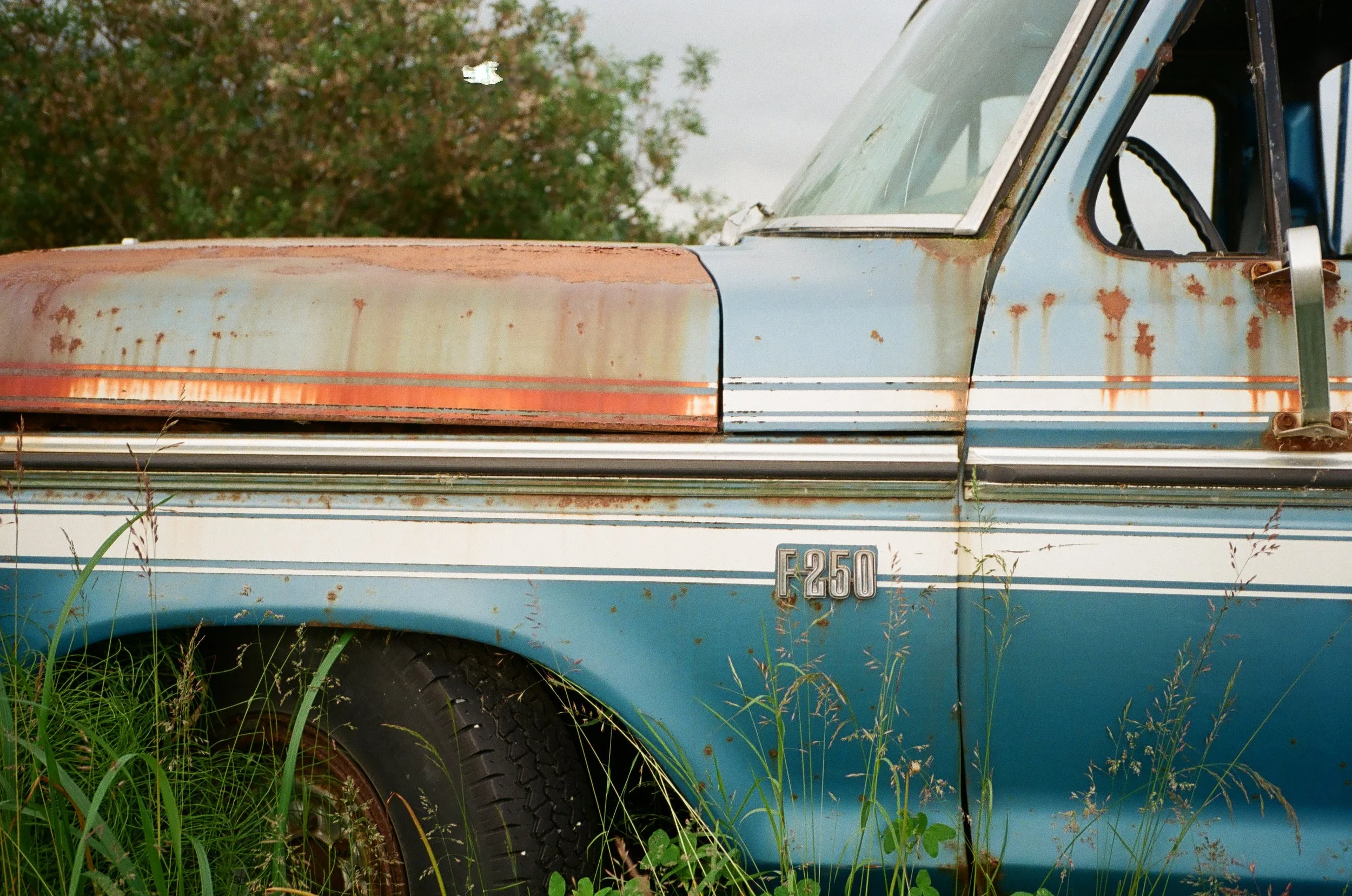
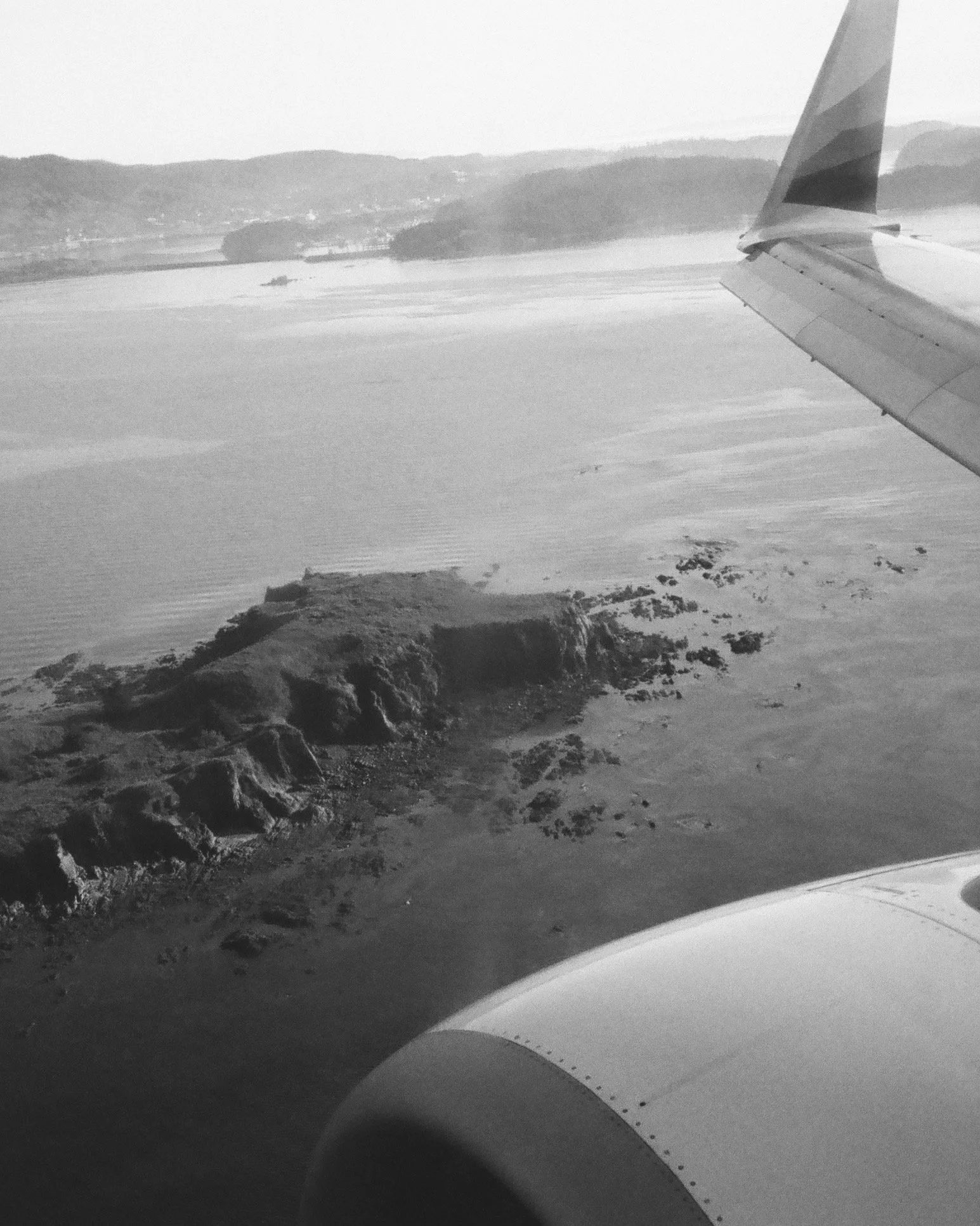
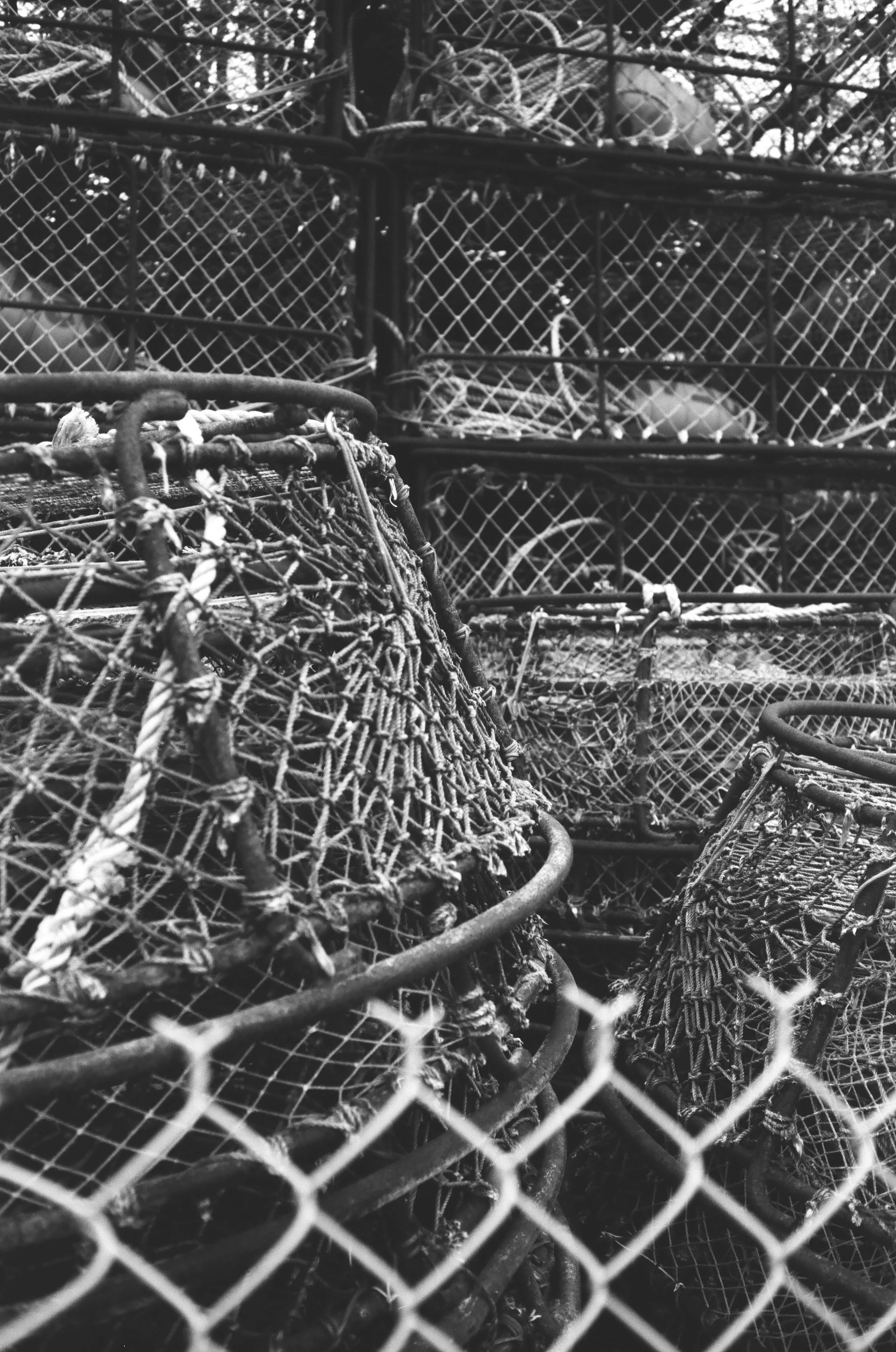
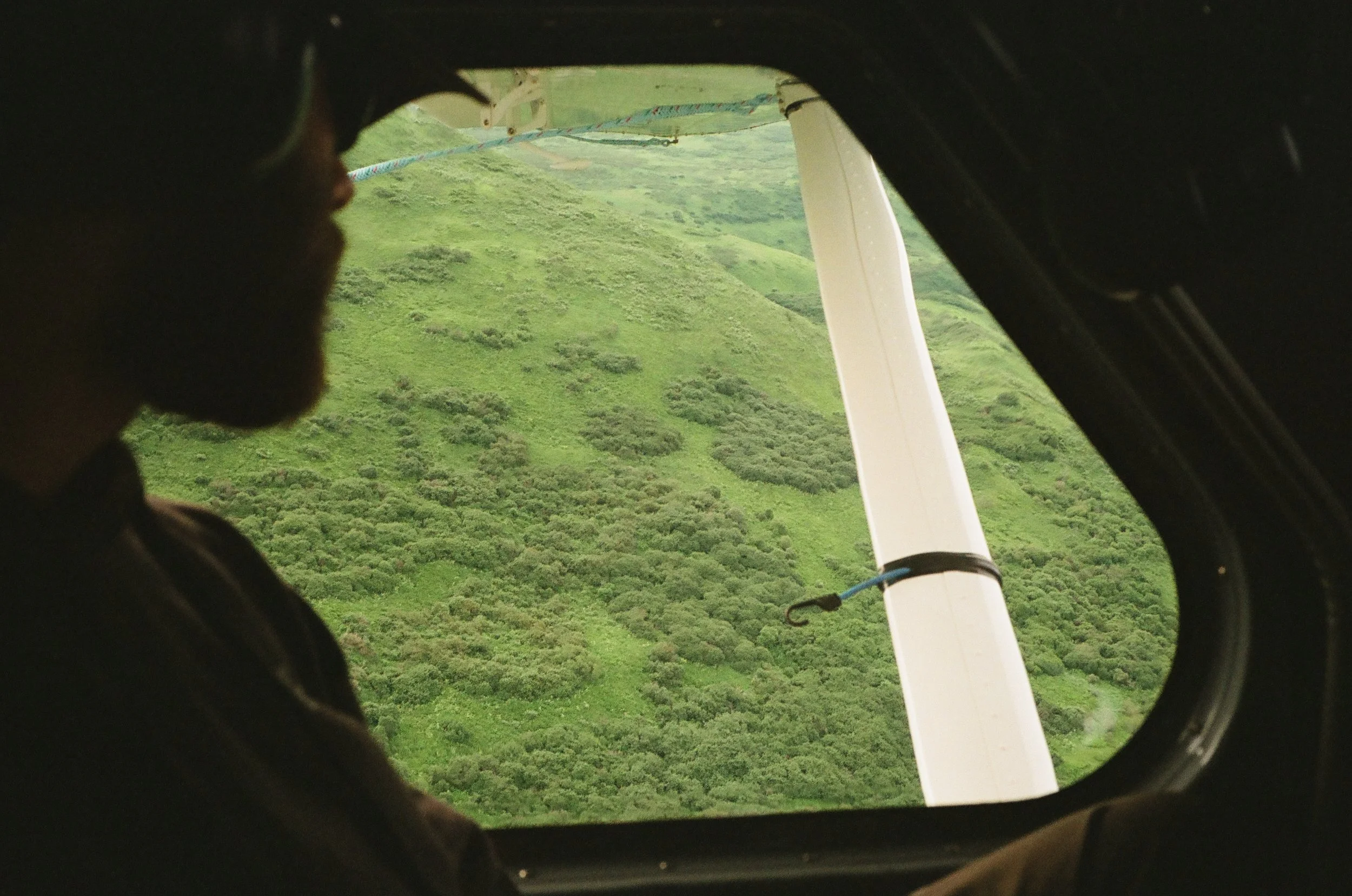
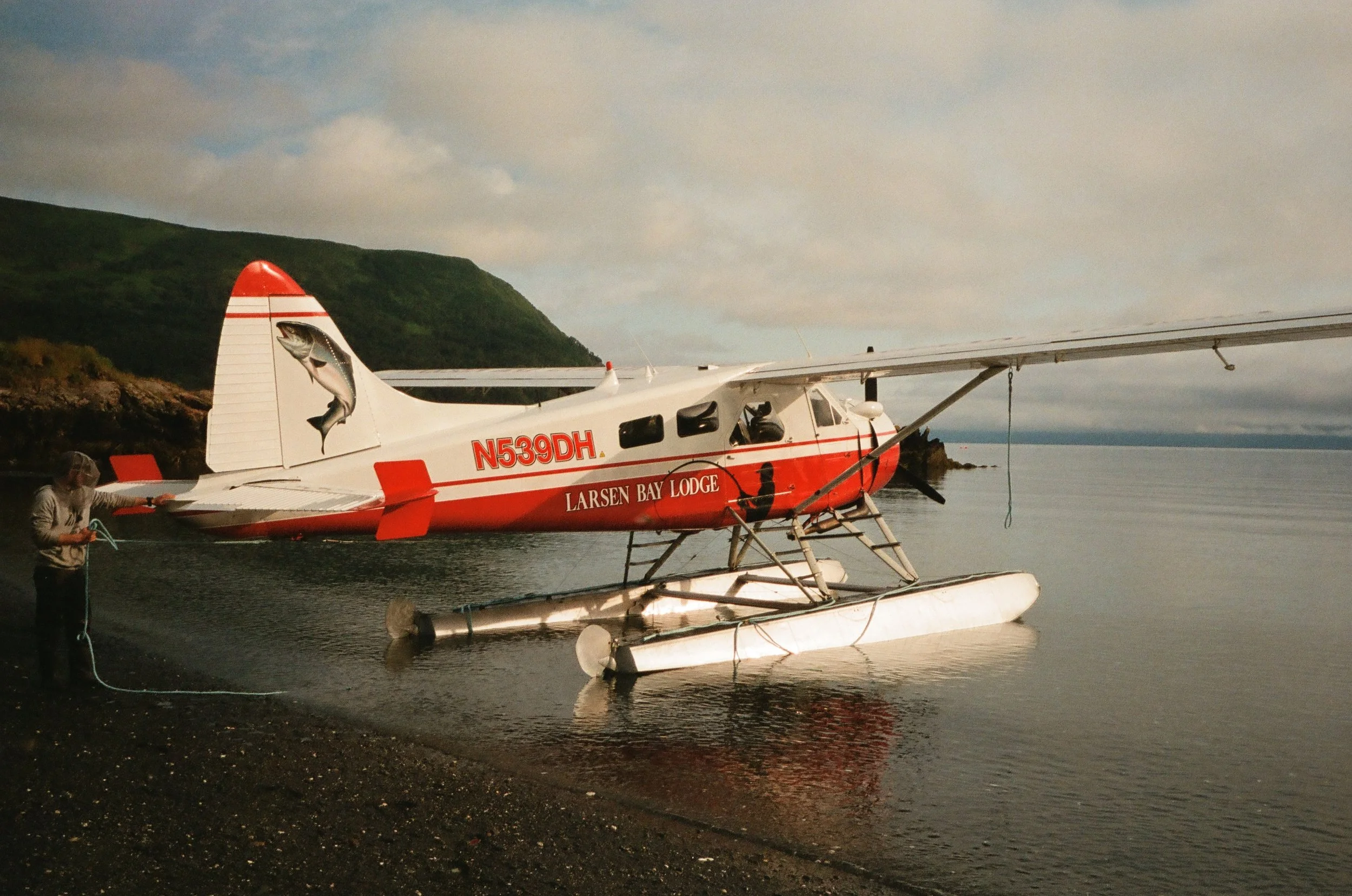
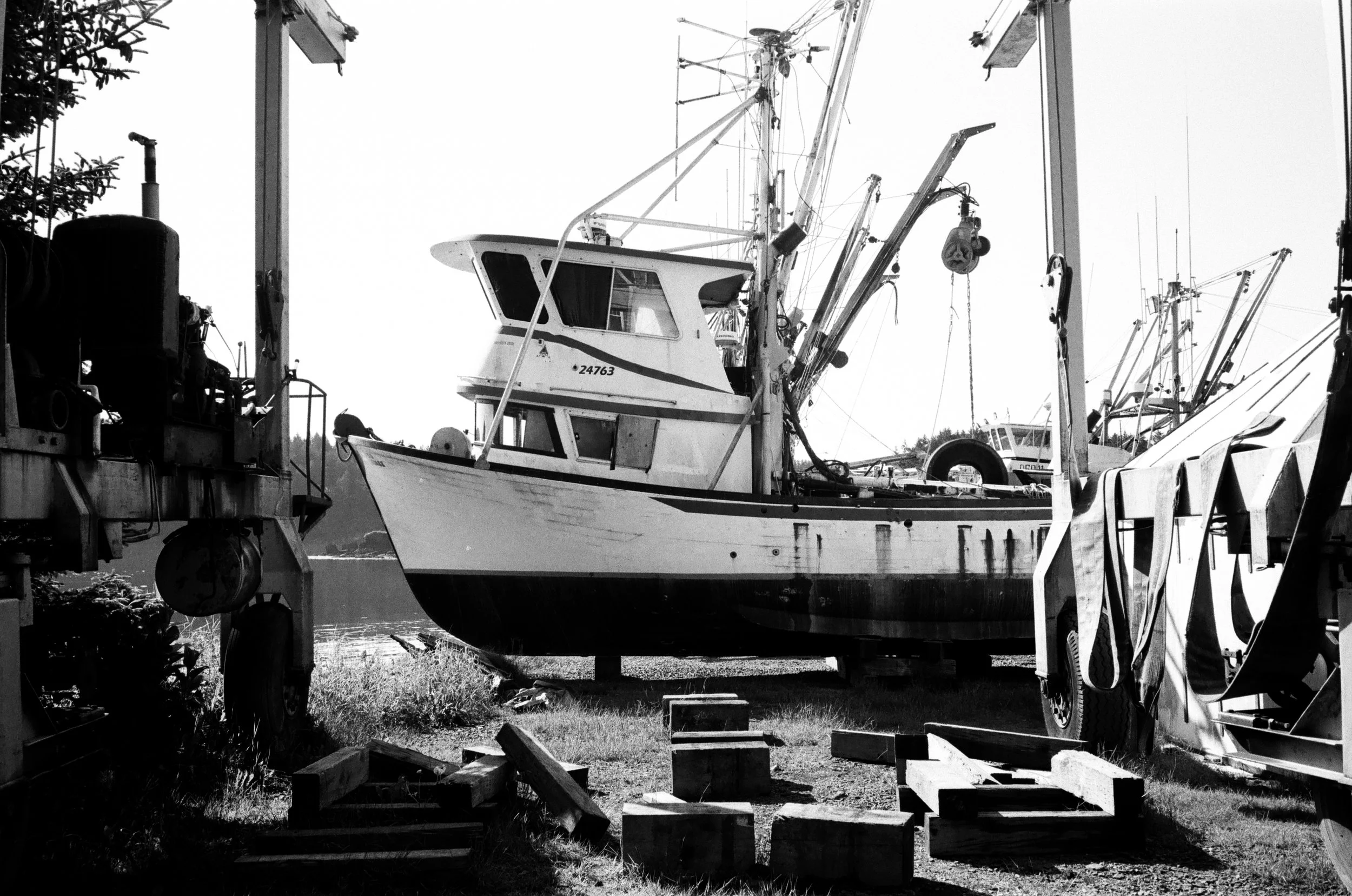
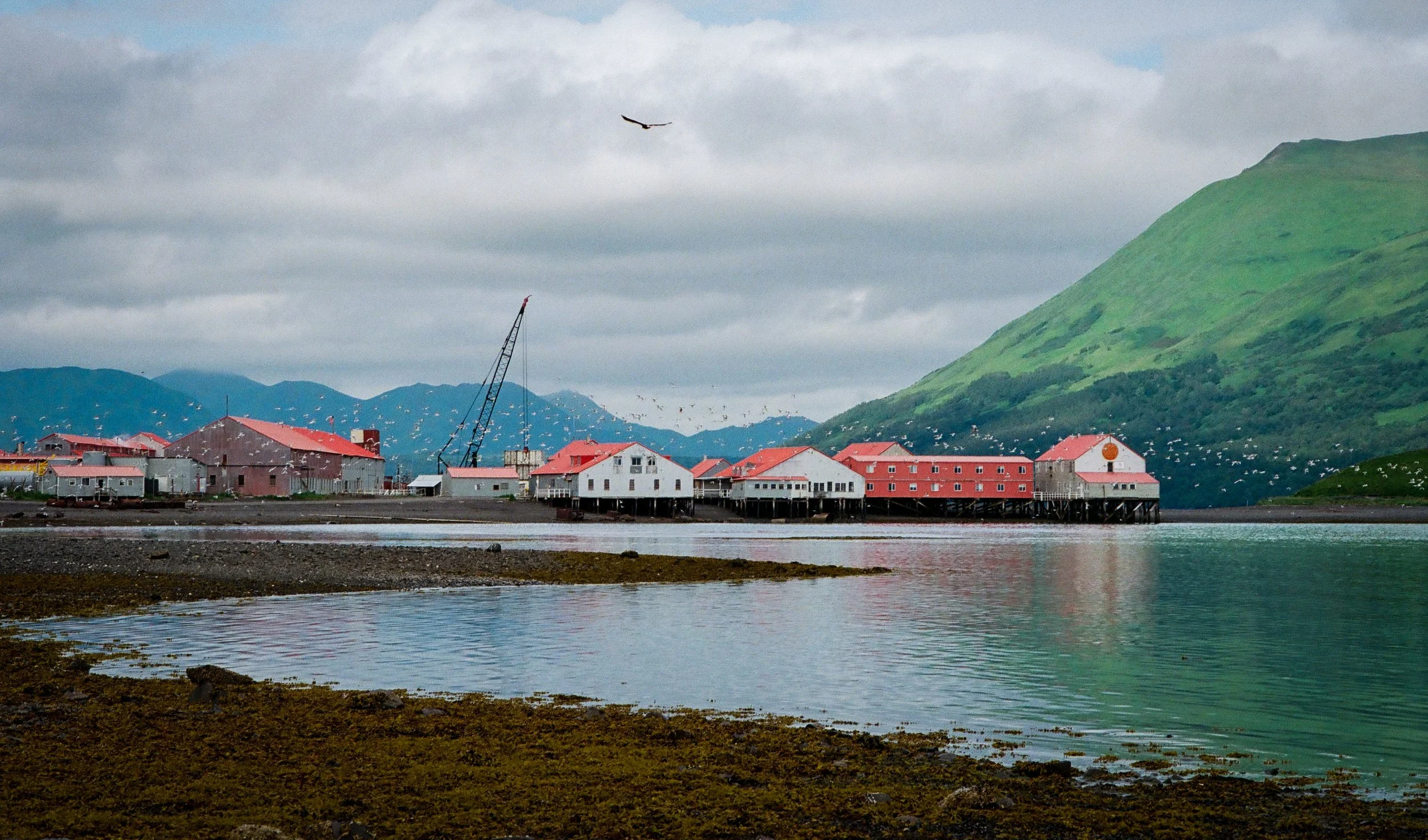
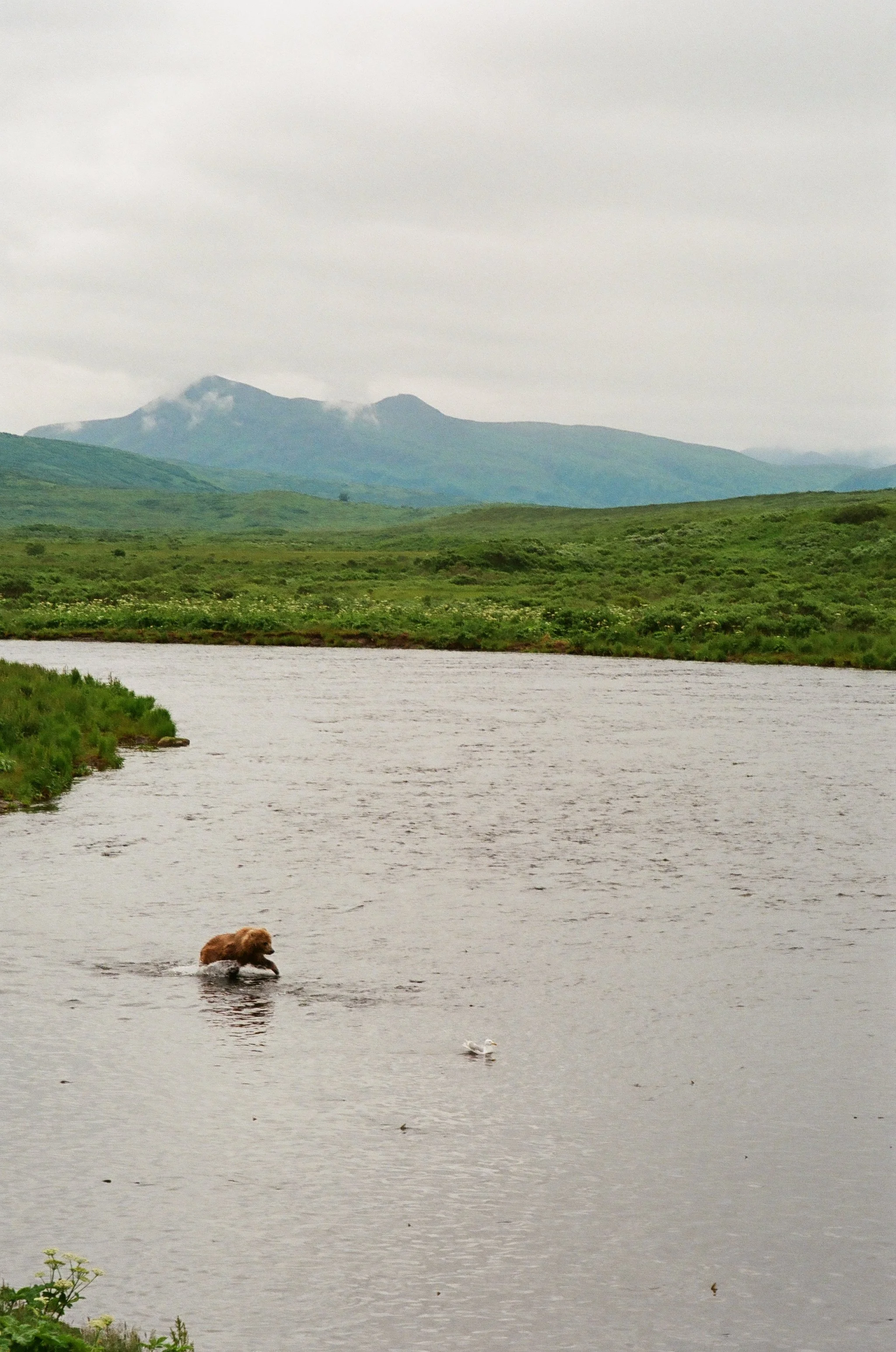
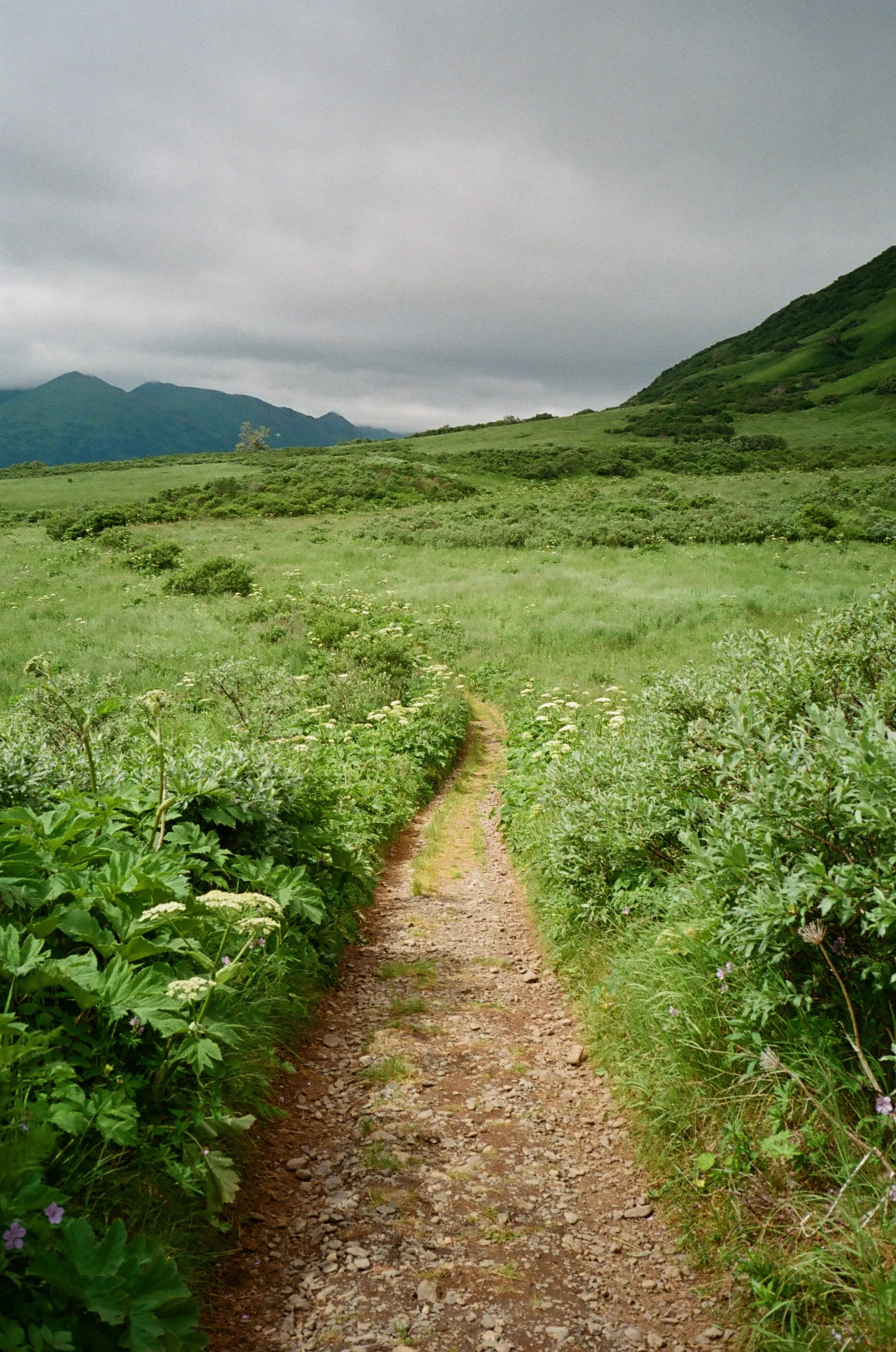
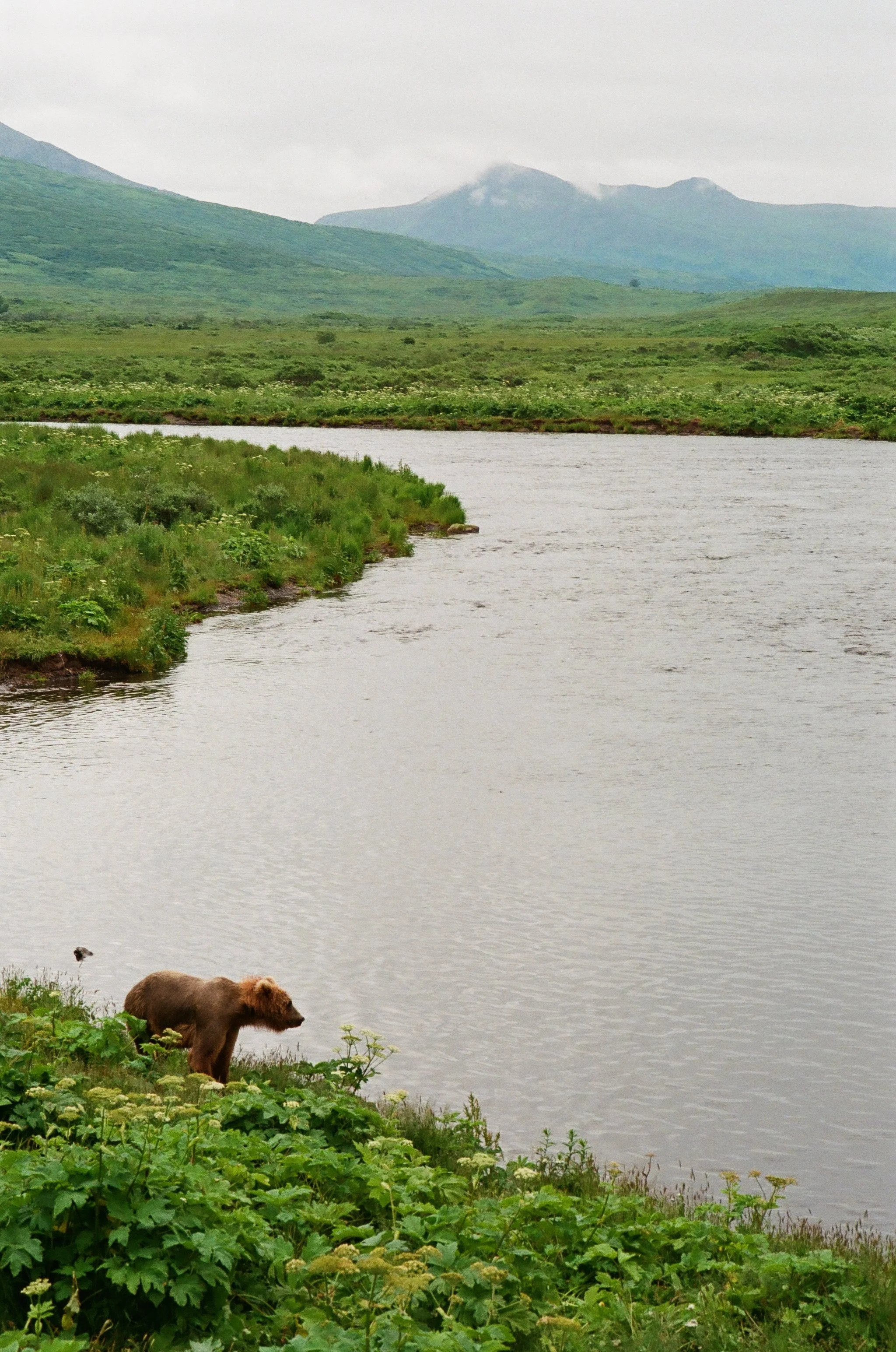
Armed with three lenses (35mm, 50mm, and 90mm) and 15 rolls of a mixed bag of black-and-white and color film, I dared myself to capture a different aspect of my Alaskan adventure. Landing in Kodiak City, I set out with my camera and film in hand, photographing old crab pots, boats, and buildings. My feet became my zoom lens, and my eyes were forever searching for light, textures, and leading lines. Using sub-framing and more, I photographed from small planes, grizzly bears in the rivers, and even toured a cannery.
I happily snapped away, enjoying every moment of that tactile feeling — never feeling like I was without, and not worrying about whether I had captured the image or not. I stayed in a state of creative flow, flying through rolls of film every day. Once I got home, I was so excited to see my images, and I was incredibly happy with the commitment I had made to shooting film on that trip.
With all that said, film photography is not for everyone. But here are five reasons why film photography is not dead — and why you might try your hand at it on your next Alaskan adventure.
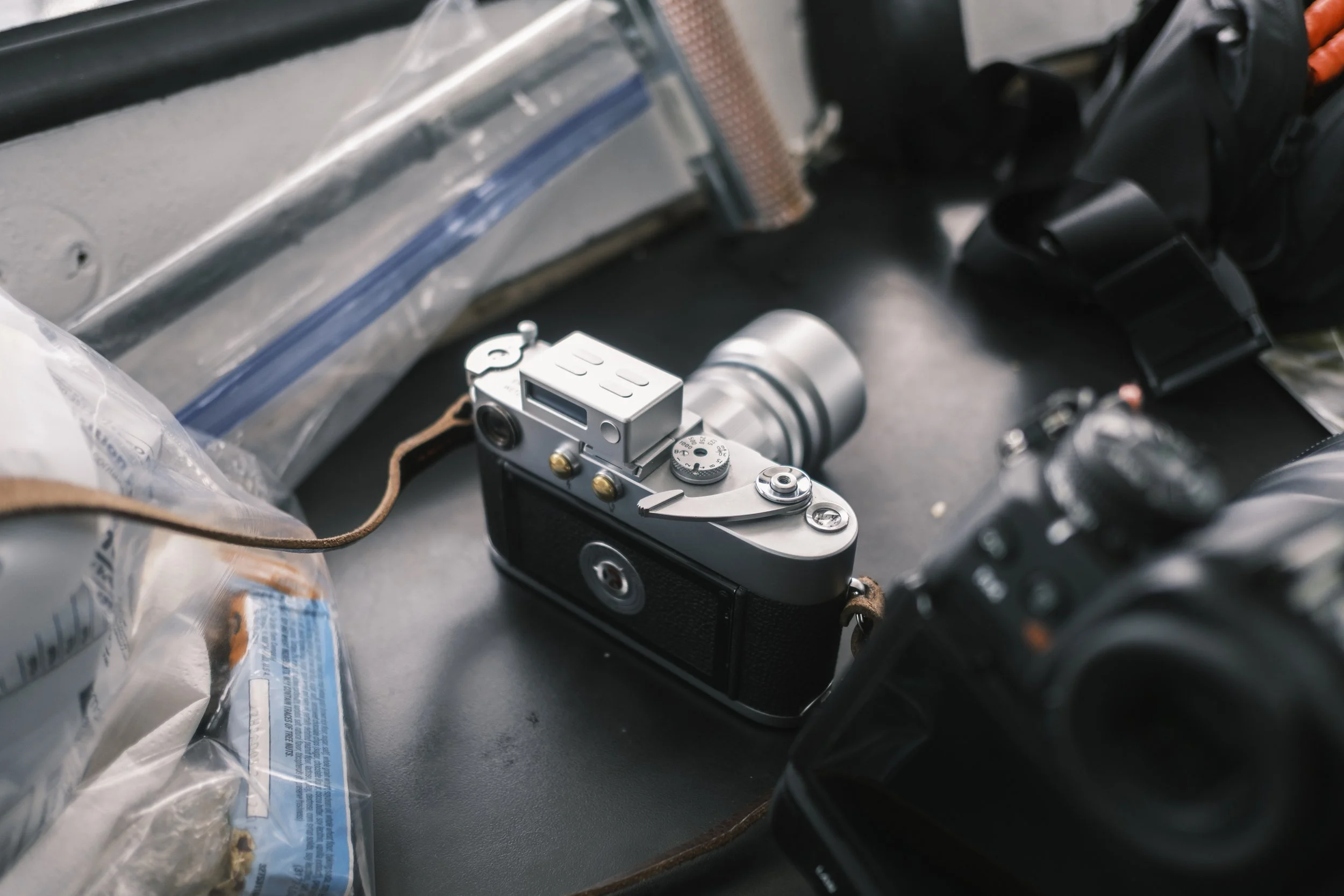
Leica M3 with a 90mm Voigtlander lens
1) Being intentional when taking images is very important in film photography.
When shooting film — especially on fully manual cameras — you must be fully aware of not only your subject, but all your camera settings as well: exposure, aperture, and focus. Knowing you only have 24–36 frames helps you photograph in a more intentional way. Instead of wasting shots or “spraying and praying,” film makes you stop and think every time you trip the shutter.
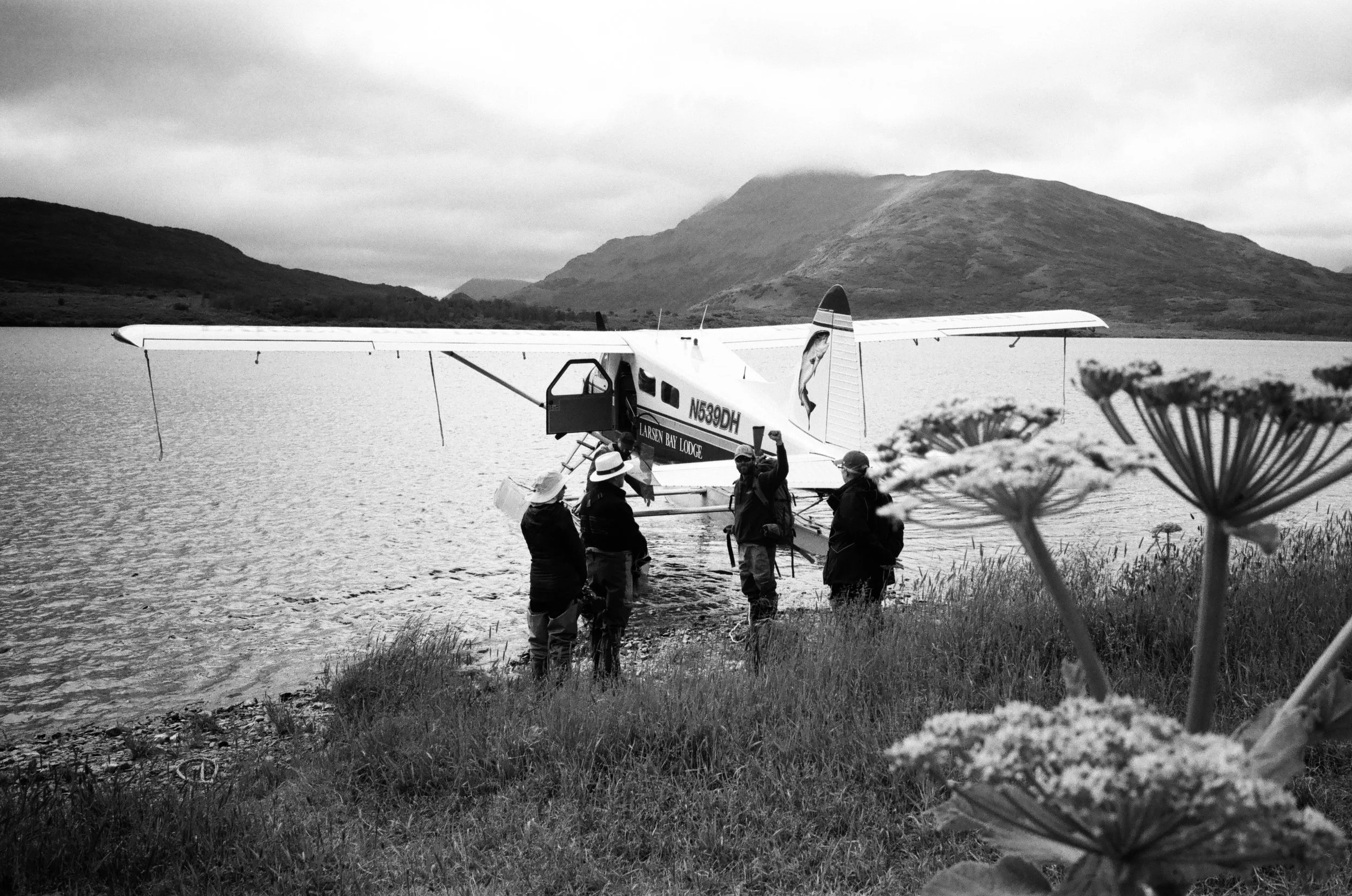
Passengers waiting to board there flight back to Larsen Bay Lodge.
2) No amount of technology can simulate the tactile mechanical perfection of an old film camera.
In a world of screens and instant photographic gratification — cameras that can fire at 120 fps, pre-capture technology, shutterless systems, and animal or human AI autofocus — that tactile feeling of an old film camera is increasingly rare.
Film cameras immerse you in your craft. You are doing most of the work: manually focusing, setting exposure, and advancing the film to the next frame. This immersion is the purest form of photography. You must be mentally and physically present when shooting film, and this experience is often lost when shooting digital.
Stripping away all that shiny new digital camera luster, film brings photography back to its purest form: a box that lets in light and burns an image onto emulsion. You decide the settings. You oversee the creation of your photograph.
3) It’s okay to wait and see if you got the shot.
Digital photography is amazing — you can instantly see whether you captured the moment. There is no waiting. You can pixel-peep and “chimp” through your images immediately.
But have you ever thought there is joy in waiting?
Patience is a virtue, and today we rarely have to wait for results. Remember the feeling after a first date? Did it go well? Will they call? Waiting with anticipation is half the thrill.
Waiting to get your negatives back from the lab — feeling surprised and excited, or the dread of realizing you left your lens cap on — can be half the fun. There is much to be said for patience and for keeping an element of surprise in your photography.
4) The barrier to film photography has been streamlined.
Yes, film photography can be pricey, but there are now many services that make developing and scanning easier than ever. You can mail off your film and receive scanned images within days. You can purchase film online and have it shipped directly to your door.
I use a company (not sponsored) called The Darkroom. They send prepaid shipping labels and have an easy-to-use app that stores all my scanned negatives in photo albums. Gone are the days of searching for open labs or finding time to develop film in a darkroom yourself. Modern technology has streamlined the film process while allowing you to keep shooting the film stocks and cameras you love.
There are also still many brick-and-mortar photography stores. Take Anchorage, for example: Stewart’s Photo Shop — Alaska’s
#5) Please don’t compare digital photography and film photography.
You must see these two forms of photography as different. They invoke a different feeling and experience. Don’t pixel peep your film images with your digital images. Film photography is an all-around encompassing feeling. Nostalgia, simplicity, mechanical and tactile perfection. Film photography should be about all of that combined.