
When I became a professional photographer, I never realized that when you make your passion your profession, you can eventually hit a wall where you forget your why.
Why do you love this? Why did I love this job in the first place?
I'm not complaining. I understand that, for most people, my job is a dream job. But with any work, when you turn your passion into your profession, you run the risk of burning out and no longer wanting to pick up a camera in your spare time.
Between client deadlines, hours of editing, relentless travel and shooting thousands of images, you can start to feel a little lost.
What makes an image special anymore?
For me, I started seeing the signs of photography burnout a few years ago. I couldn't figure out why I never wanted to pick up my camera when I came home—something I used to love doing all the time.
Once I returned home from a trip, my cameras would get cleaned and then stay in their Pelican case.
As someone who needs a creative outlet, I felt like something was missing. Without sounding too dramatic, I had lost a piece of what I truly loved to do.
These are some of my observations on why having a personal photography project can help reignite your passion for photography.
1. Personal projects give you control again
You get to decide what you want to photograph and how much time you want to put into your project. You answer only to yourself.
You don't have to worry about client approvals or shot lists. You decide what you find interesting, how you want to photograph it and what you want to focus on.
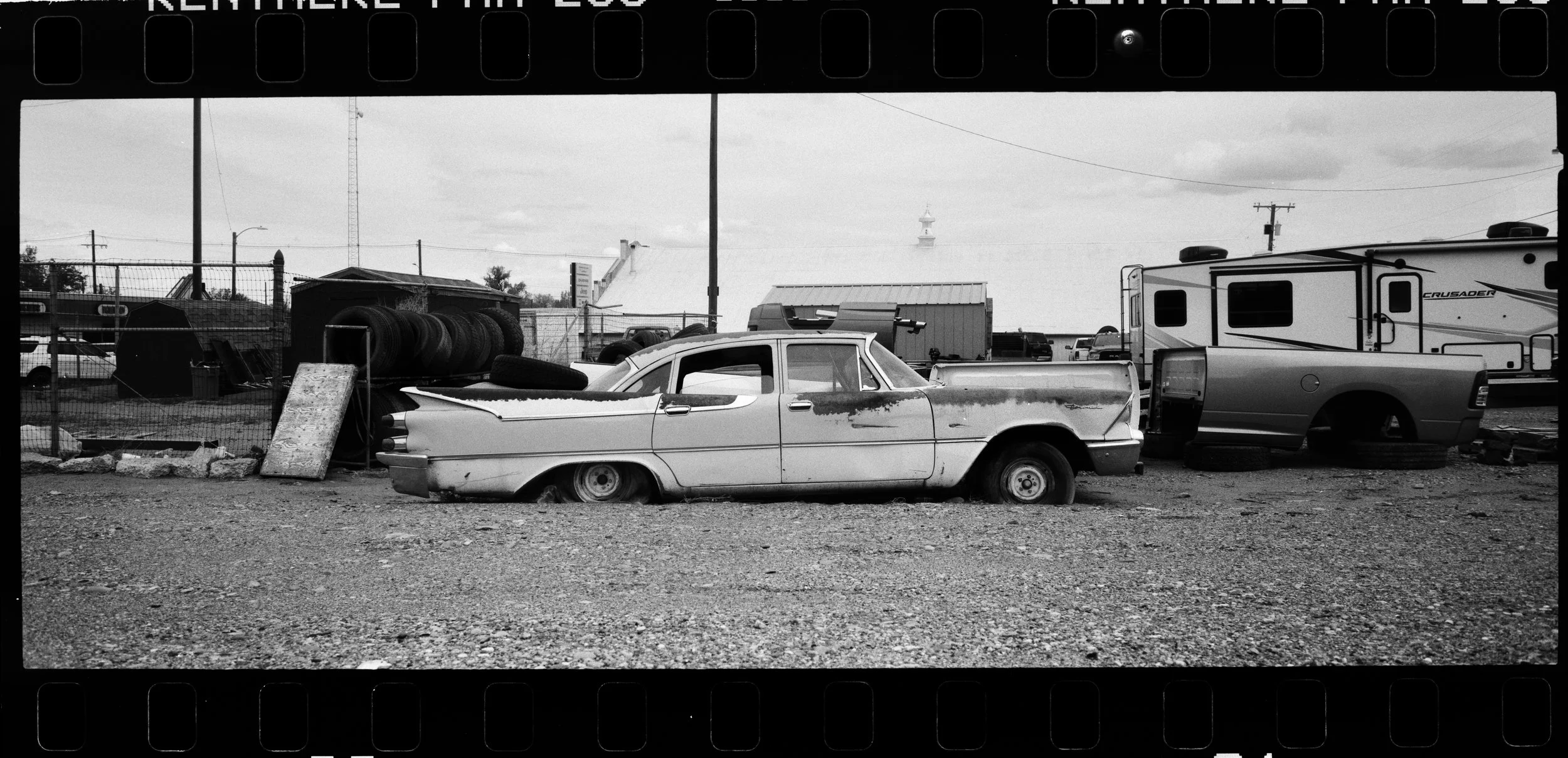
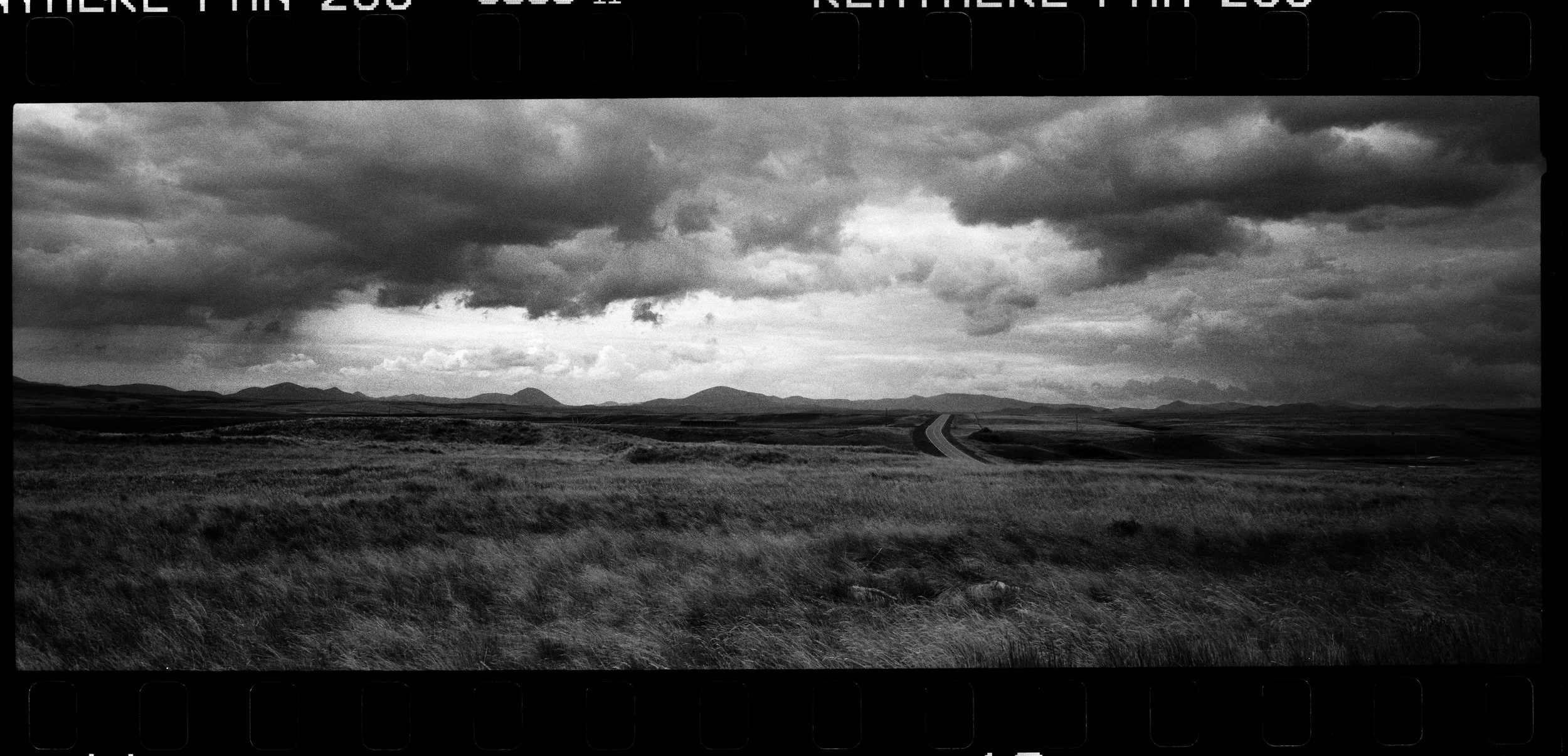
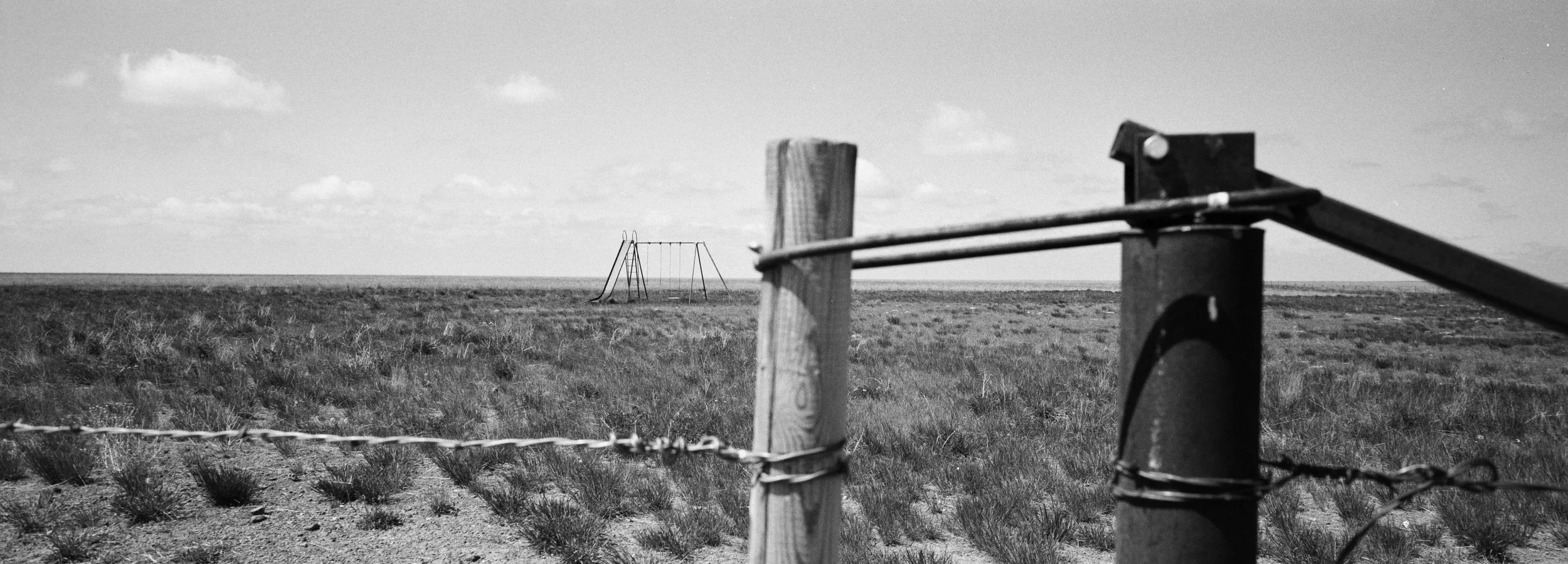
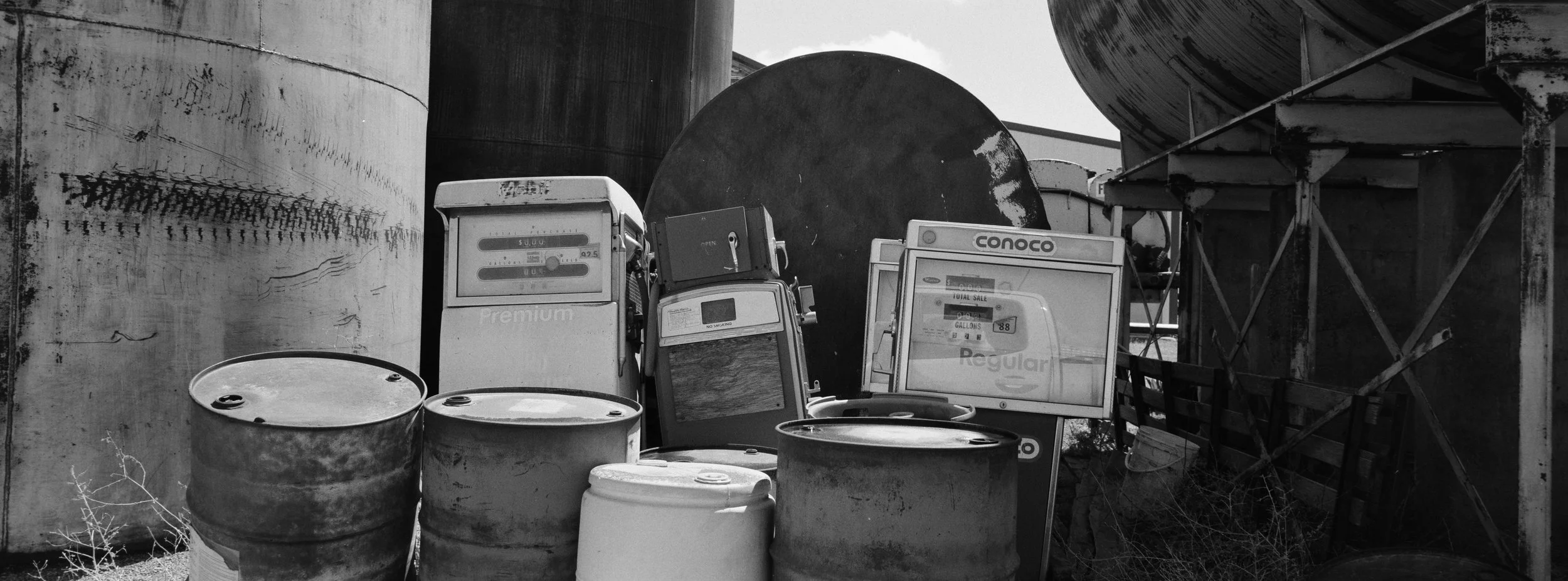
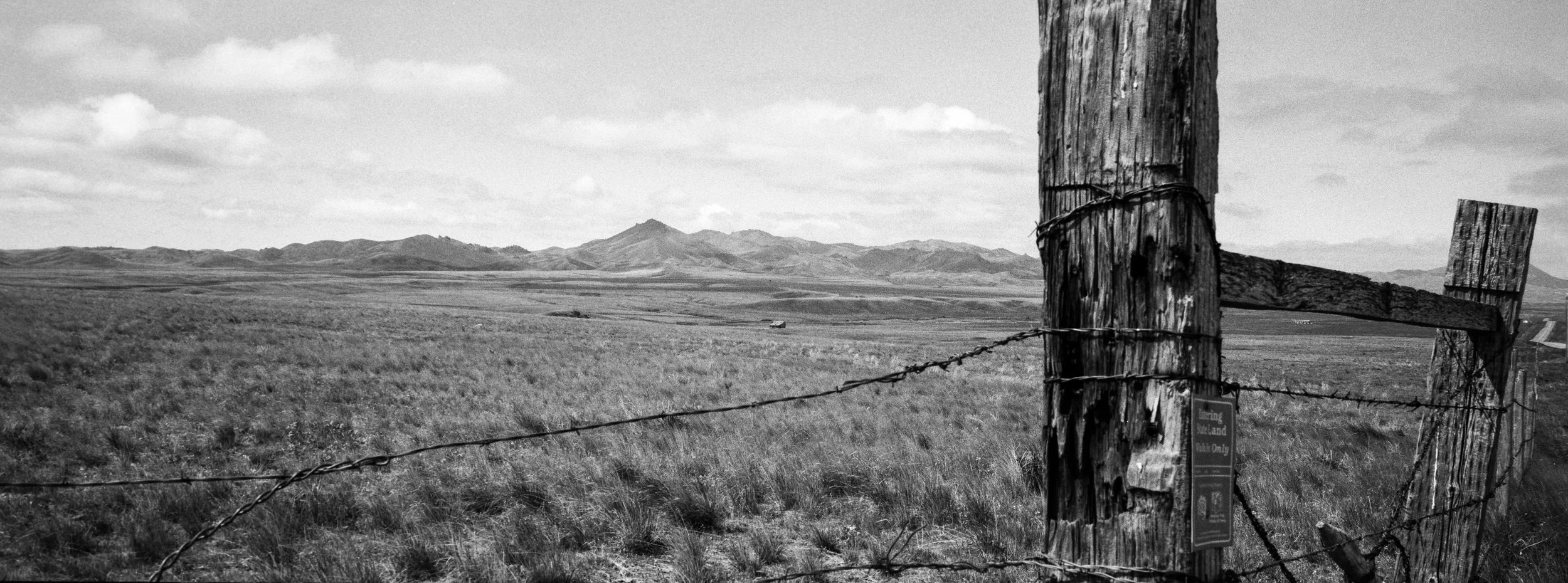
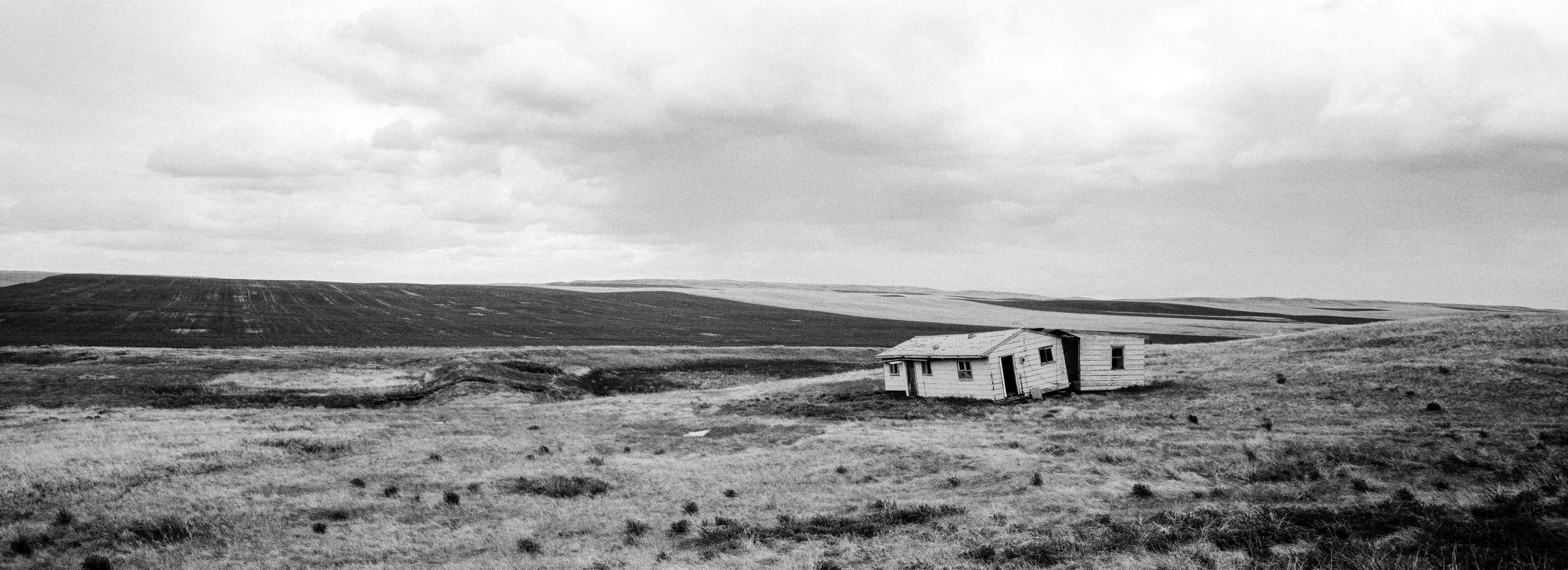
(The images above: These images are from a project that I have been working on for a number of years. Capturing lost and forgotten places in Eastern Montana and parts of Wyoming.)
2. They help you discover what you're drawn to
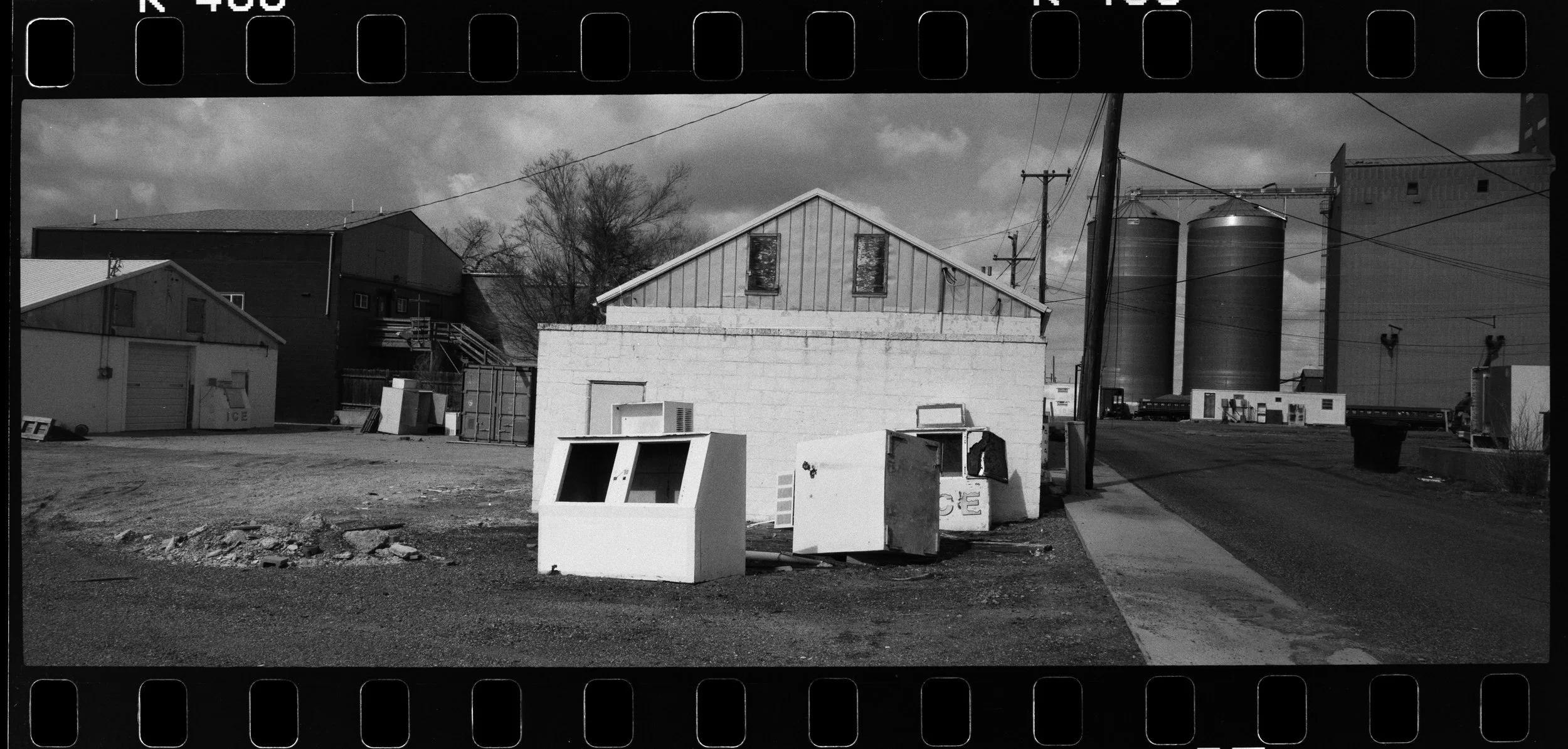
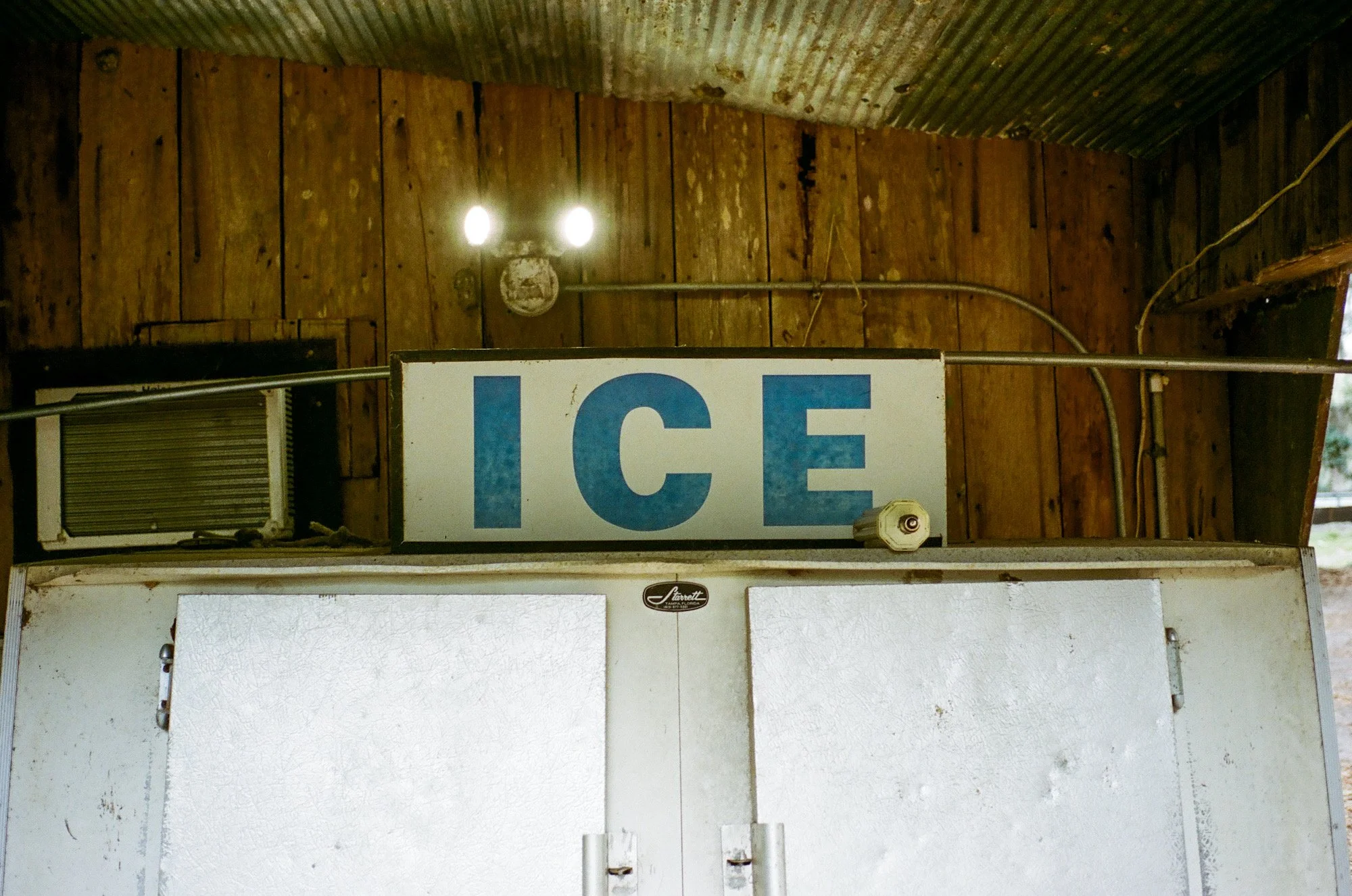
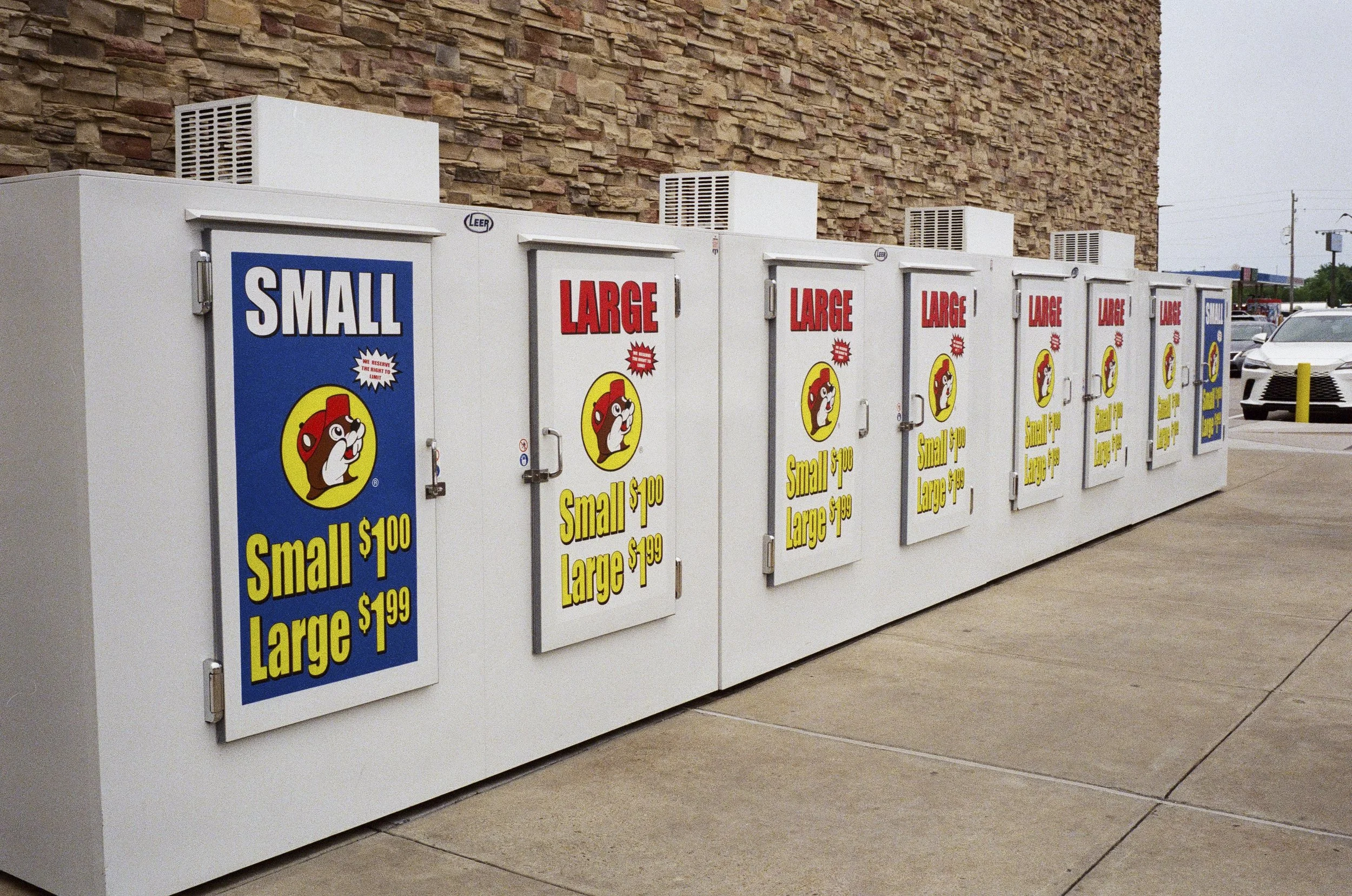
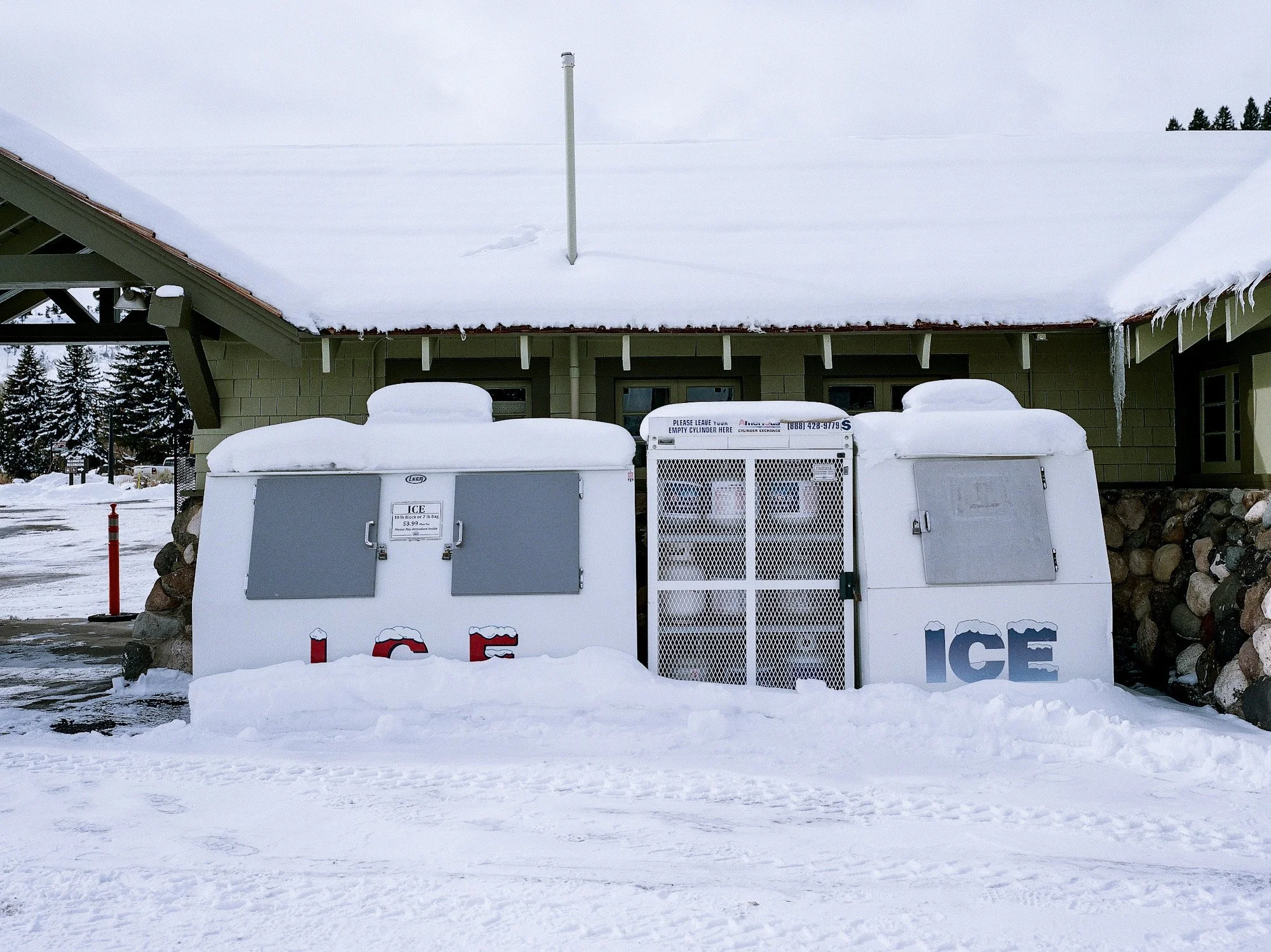
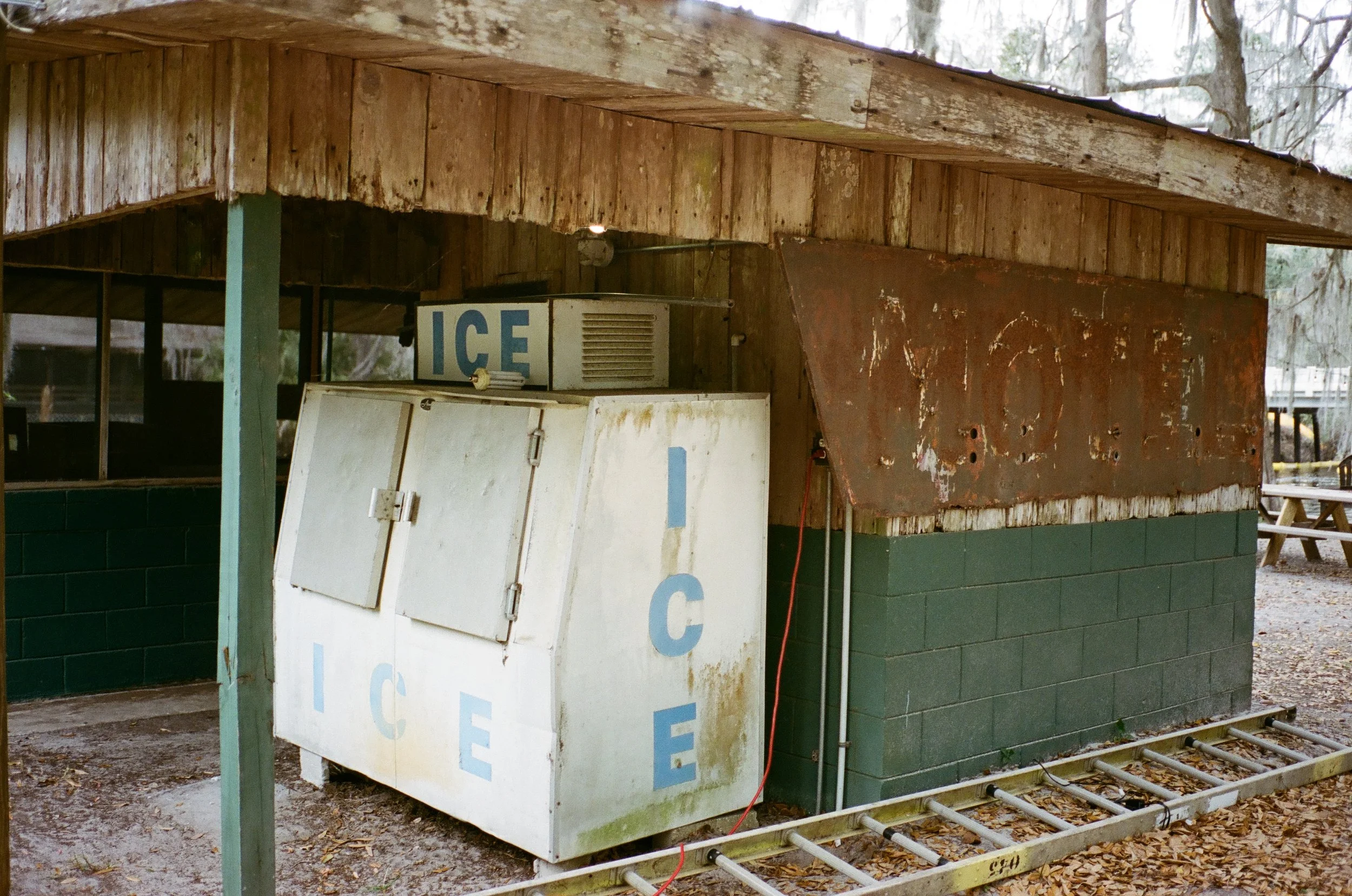
A few years ago, I decided to focus some of my attention on what I call a slow-burn project: Ice Machines.
Specifically, old, fading, interesting ice machines.
I listened to a podcast a few years back about the history of the ice industry and how America was one of the first places to commoditize the selling of ice in the 1800s. A Boston entrepreneur named Frederic Tudor, dubbed the "Ice King," figured out how to transport massive blocks of ice long distances, eventually shipping ice as far away as the Caribbean, Europe and India.
The story fascinated me.
On my many travels around the United States, I randomly started noticing ice machines. Ones in strange places. Beat-up and faded machines sitting in front of old stores.
I started looking at them photographically looking for symmetry, texture, color and the environments surrounding them. Eventually, I decided to start capturing these scenes.
It's been a few years now, and I even have friends and family who have joined in on the fun. They'll send me screenshots of ice machines they think I might want to photograph.
Every trip I go on, even if it's for work, I keep my eyes peeled for interesting compositions featuring ice machines.
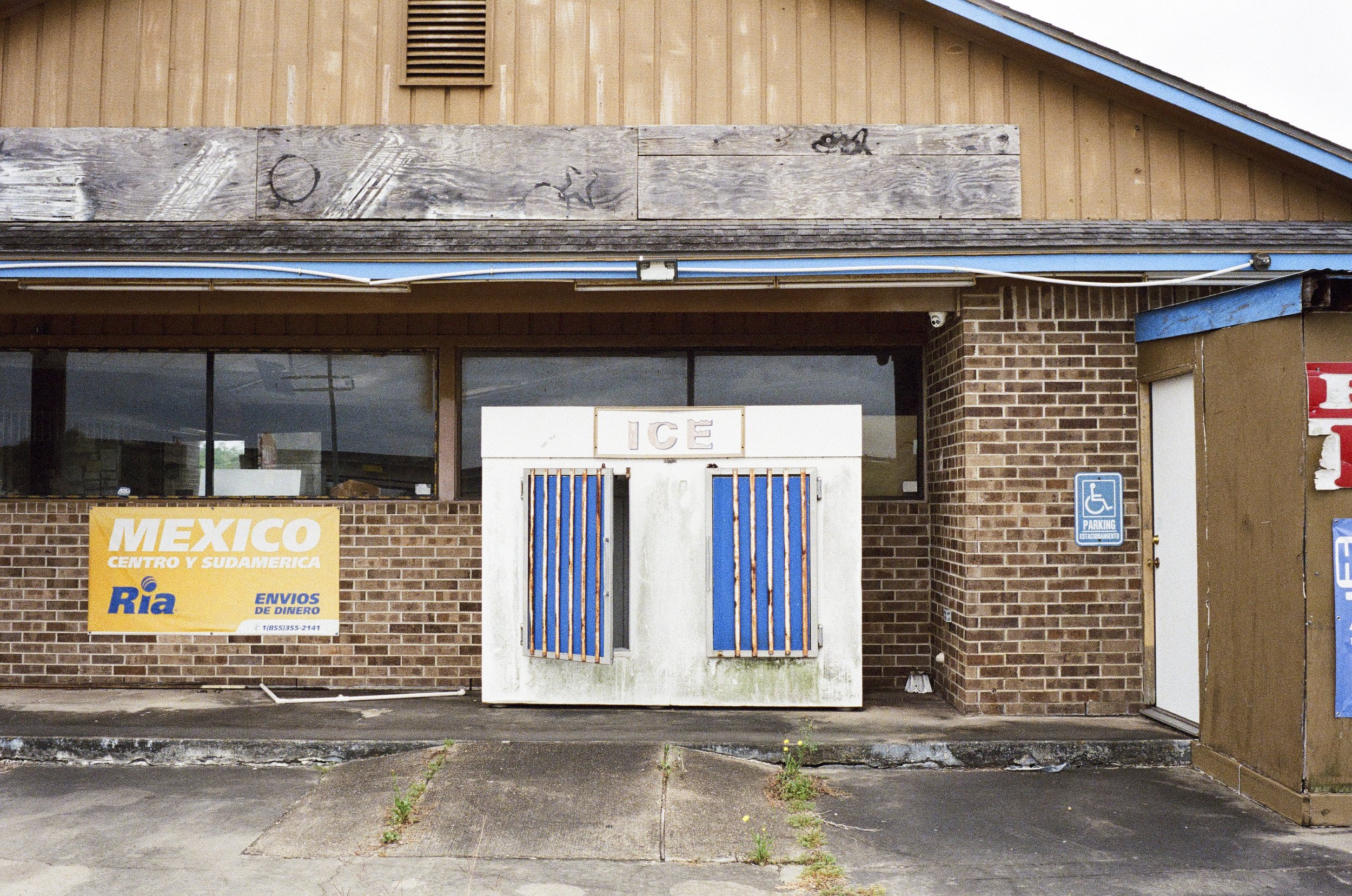
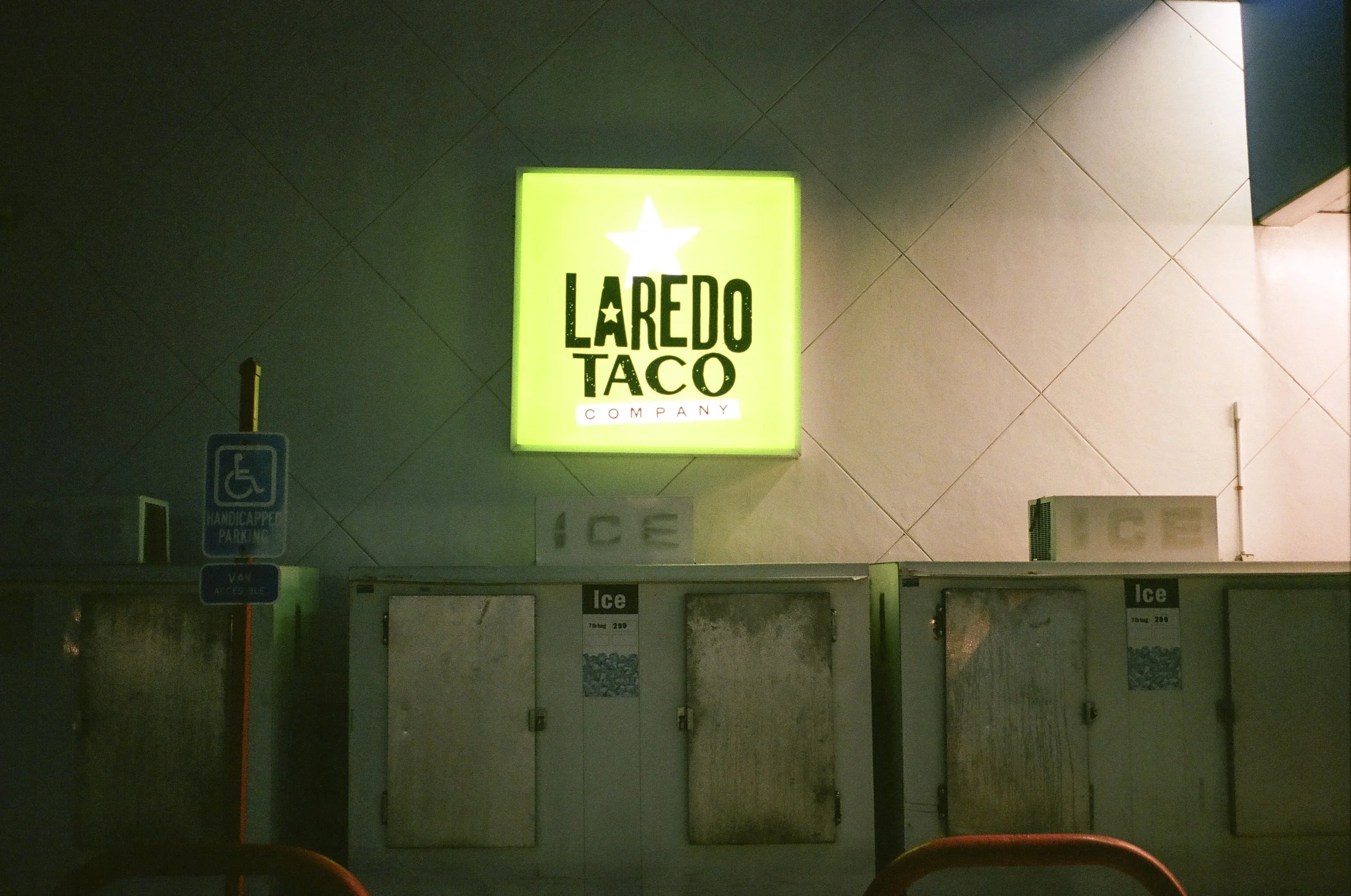
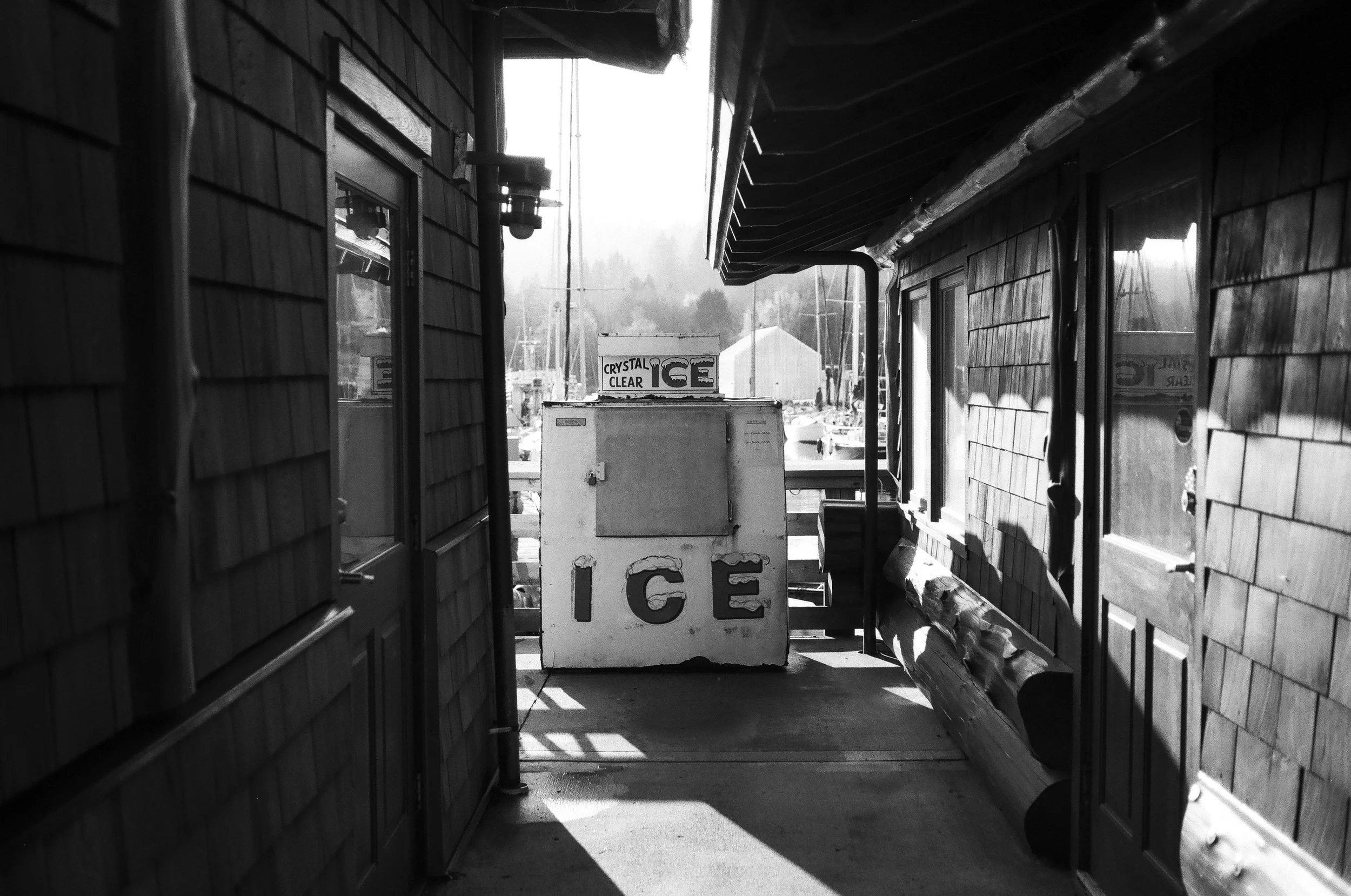
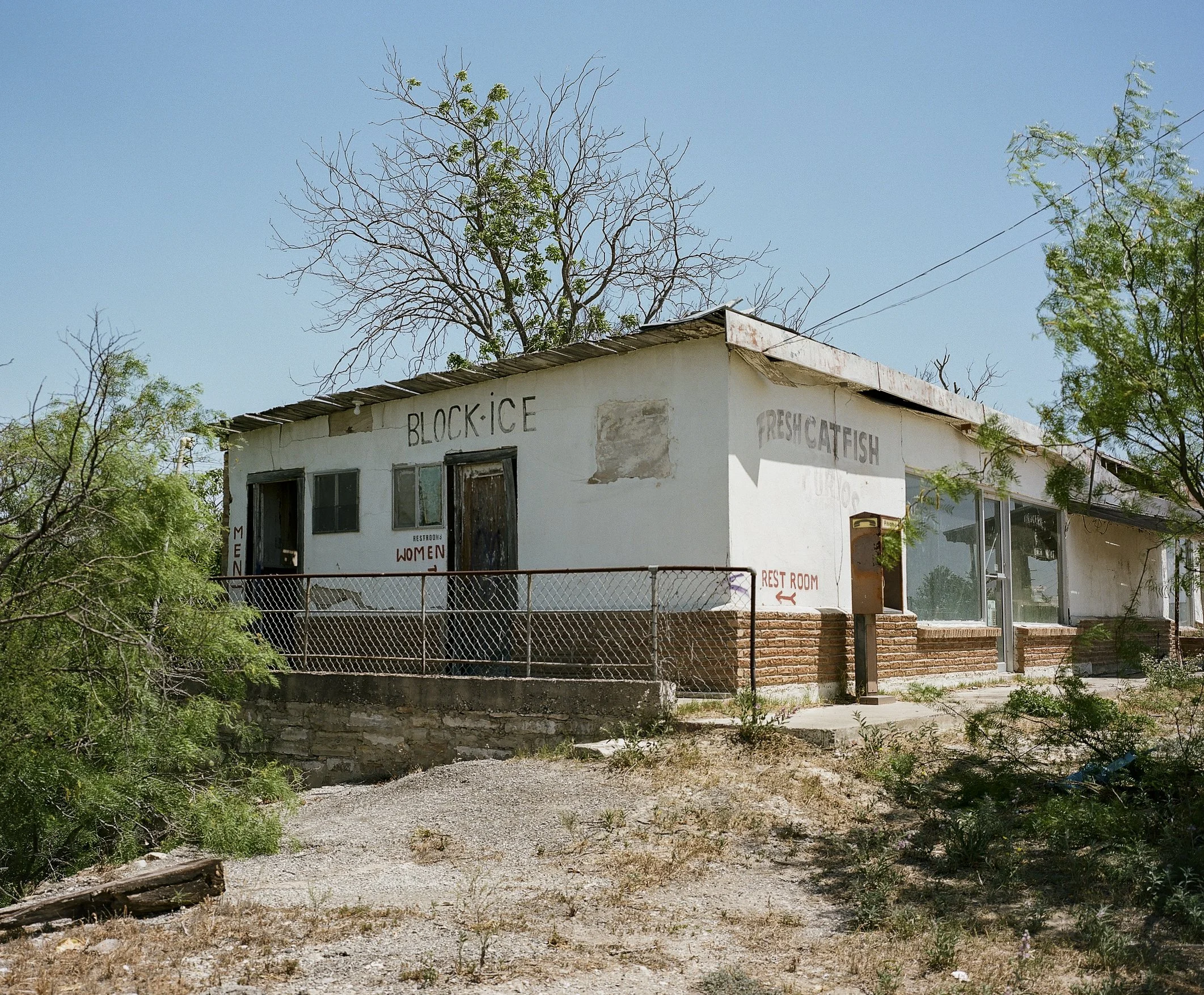
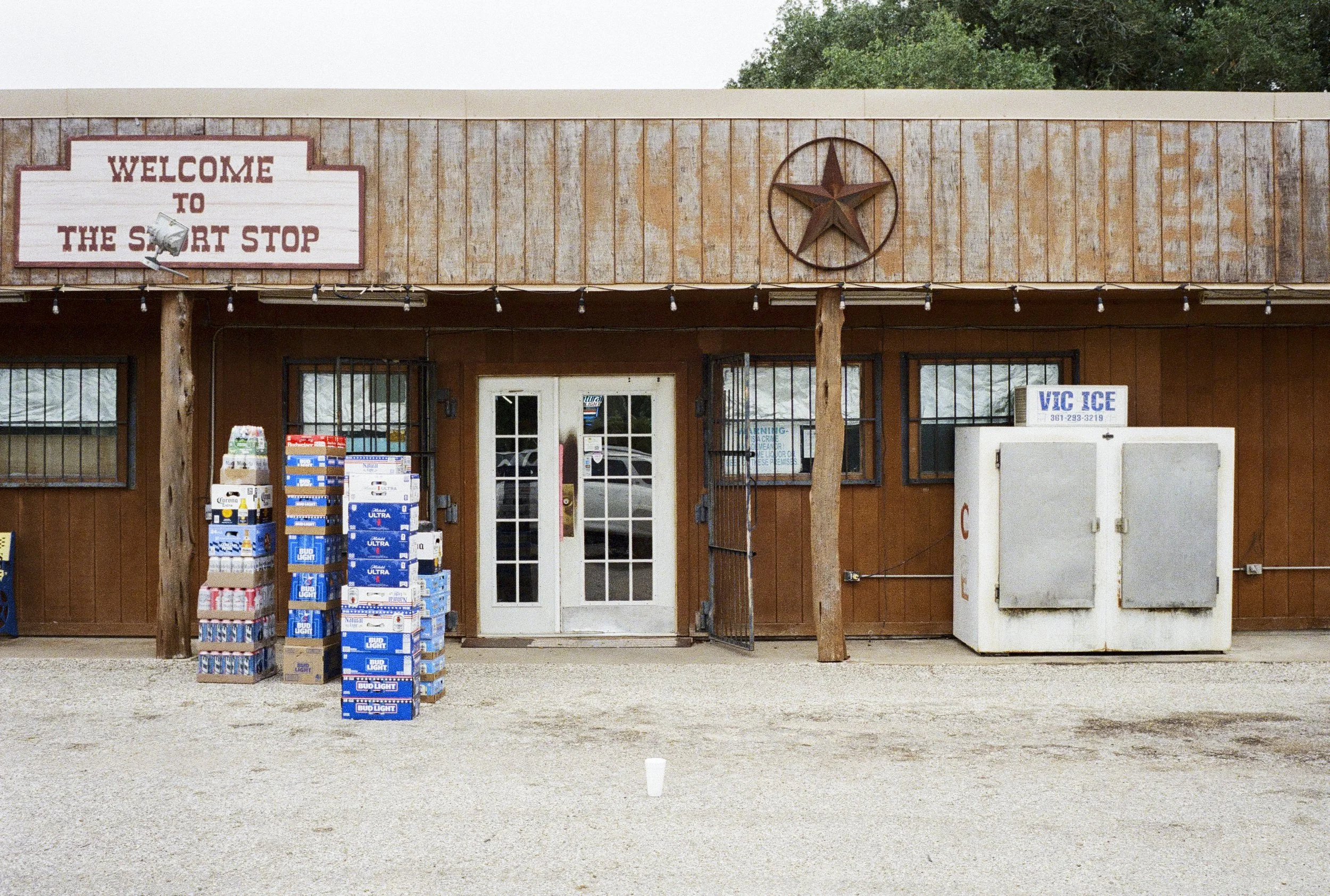
This slow project—or "slow burn," as I call it—I hope will one day become a complete body of work. Maybe I'll produce a coffee-table book or have a photography exhibition.
I haven't set an end date, and the only real rule I've given myself is that I photograph the machines using my film cameras.
3. A project doesn't need to happen quickly
I think you can gain a fresh perspective by giving a project some breathing room.
Personal projects don't need to be about pumping out content for social media or filling the everyday quota of trying to stay relevant.
That's one of the things I love most about this project. I can put it down and pick it back up when I see something that inspires me.
I'm not constantly thinking about my side-quest photography projects. Sometimes I let them marinate. I see what other inspiration comes from simply letting a project exist without forcing it.
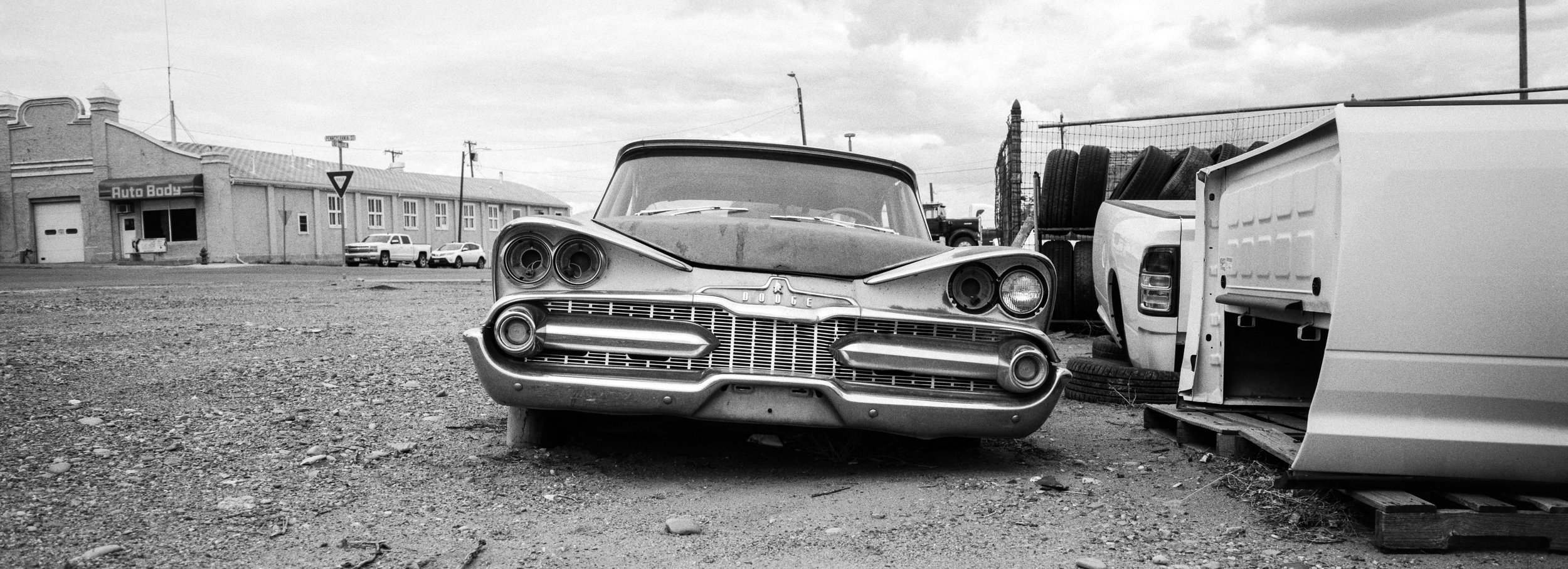
Image from my Eastern Montana “Lost and forgotten places" project.
4. Projects make you a better working photographer
No matter what you're photographing, I believe the more you practice, the better you become.
Personally, I need that practice—even as a professional photographer.
If I only pick up my cameras when I'm doing paid work, I can slowly lose touch with parts of the craft: the technical side, the creative side, how quickly I react and even the muscle memory of holding and operating a camera.
If you don't consistently work the creative side of your brain, it can become harder to get into the groove when you arrive at a photoshoot.
Grabbing my film cameras—even though they're not usually the cameras I use for professional work—reignites my creative flow.
I feel like I'm training my eye and my muscle memory. I'm practicing my ability to manually focus, think through my settings and get the exposure right without hesitation.
Digital photography can sometimes make it easy to become a little lazy. Personal work reminds me to slow down, think and practice.
And the more I practice, the better photographer I become.
5. Projects can become something bigger
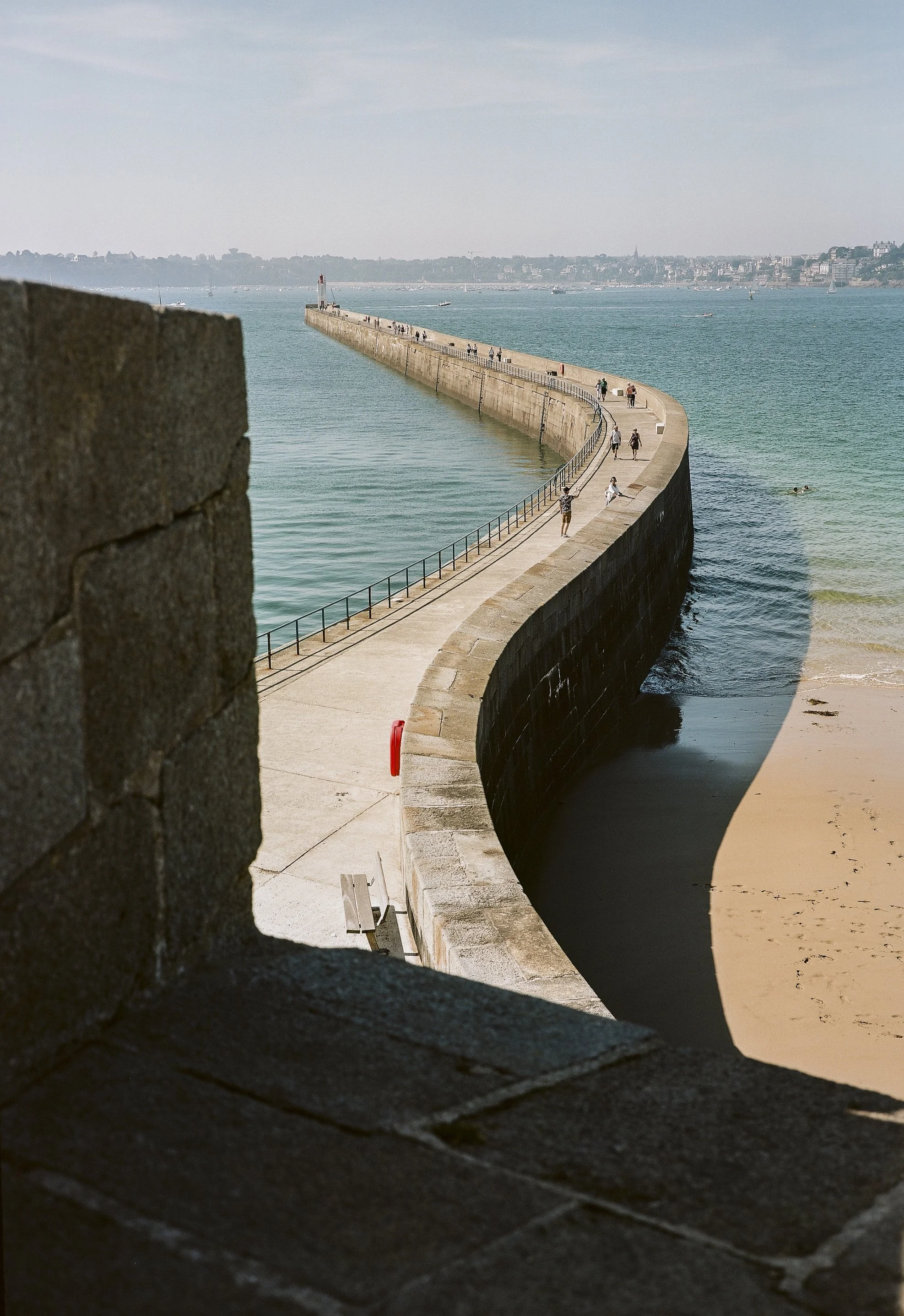
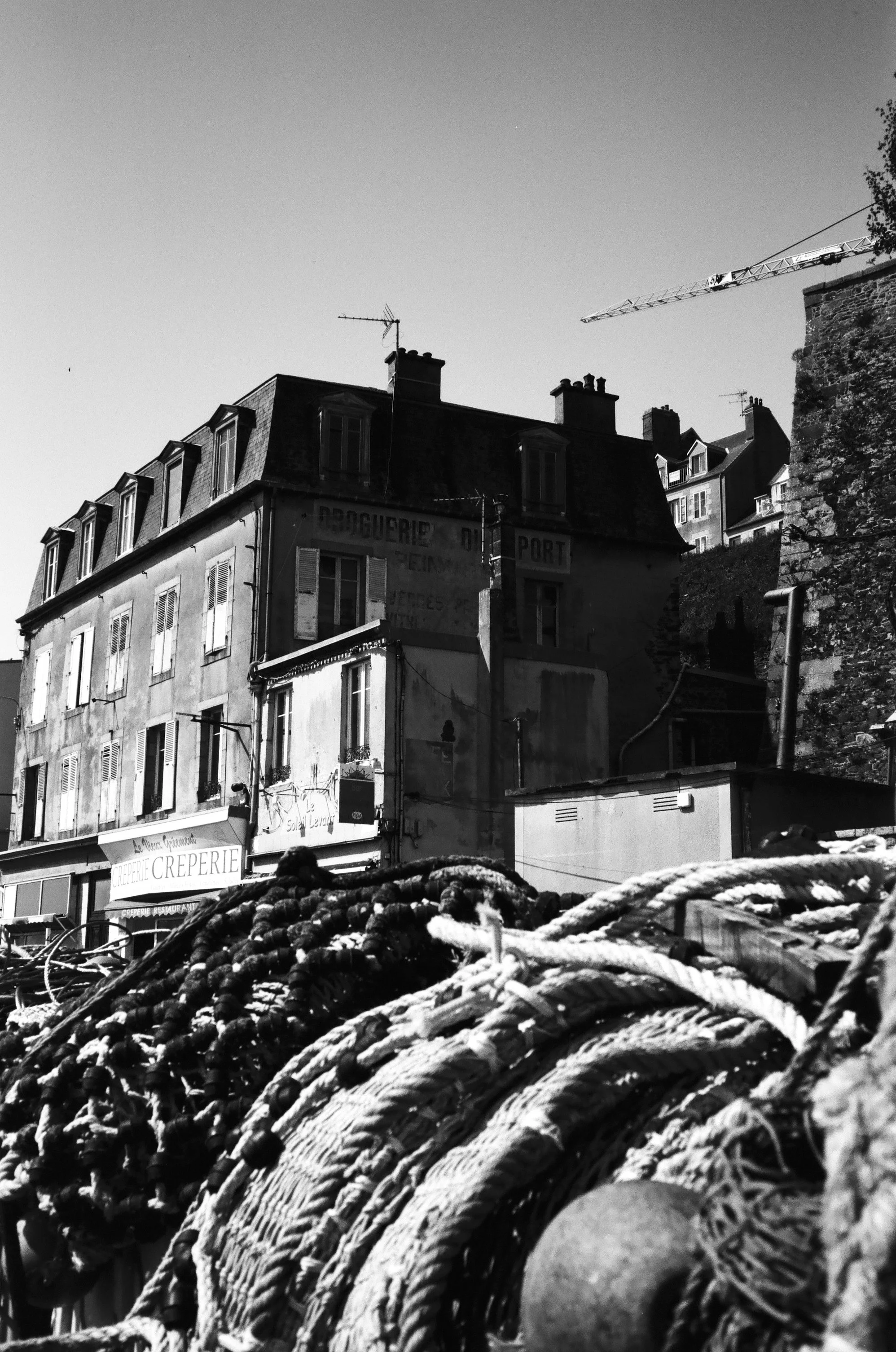
Back in 2023, I took my mom to Paris.
I packed three film cameras, a digital camera and more than 50 rolls of film. My goal was simple: enjoy my time with my mom, immerse myself in the experience and photograph what I saw.
That two-week trip turned into something much bigger.
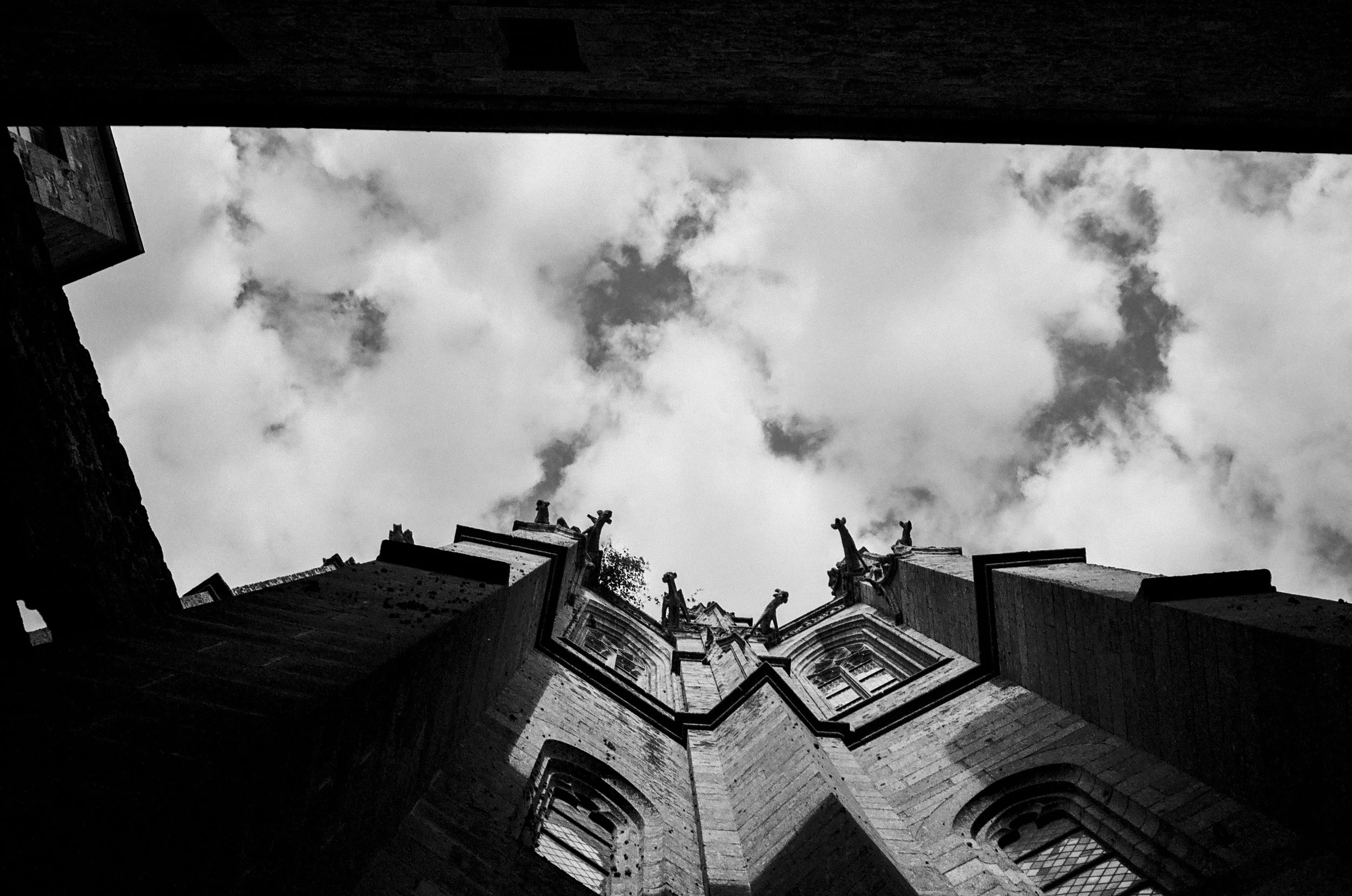
I shot more than 50 rolls of film, and when I came home, I realized the images were special. They were so different from my commercial work that I knew they needed to exist somewhere other than on a hard drive.
That trip eventually became a much larger personal project.
I hosted my first photography exhibition, A Parisian Summer. I printed the work, displayed some of the film cameras I used alongside information about them, sold prints and shared the entire project with other people.
There is something truly remarkable about starting a project from scratch and watching it become something larger than you ever imagined it could be.
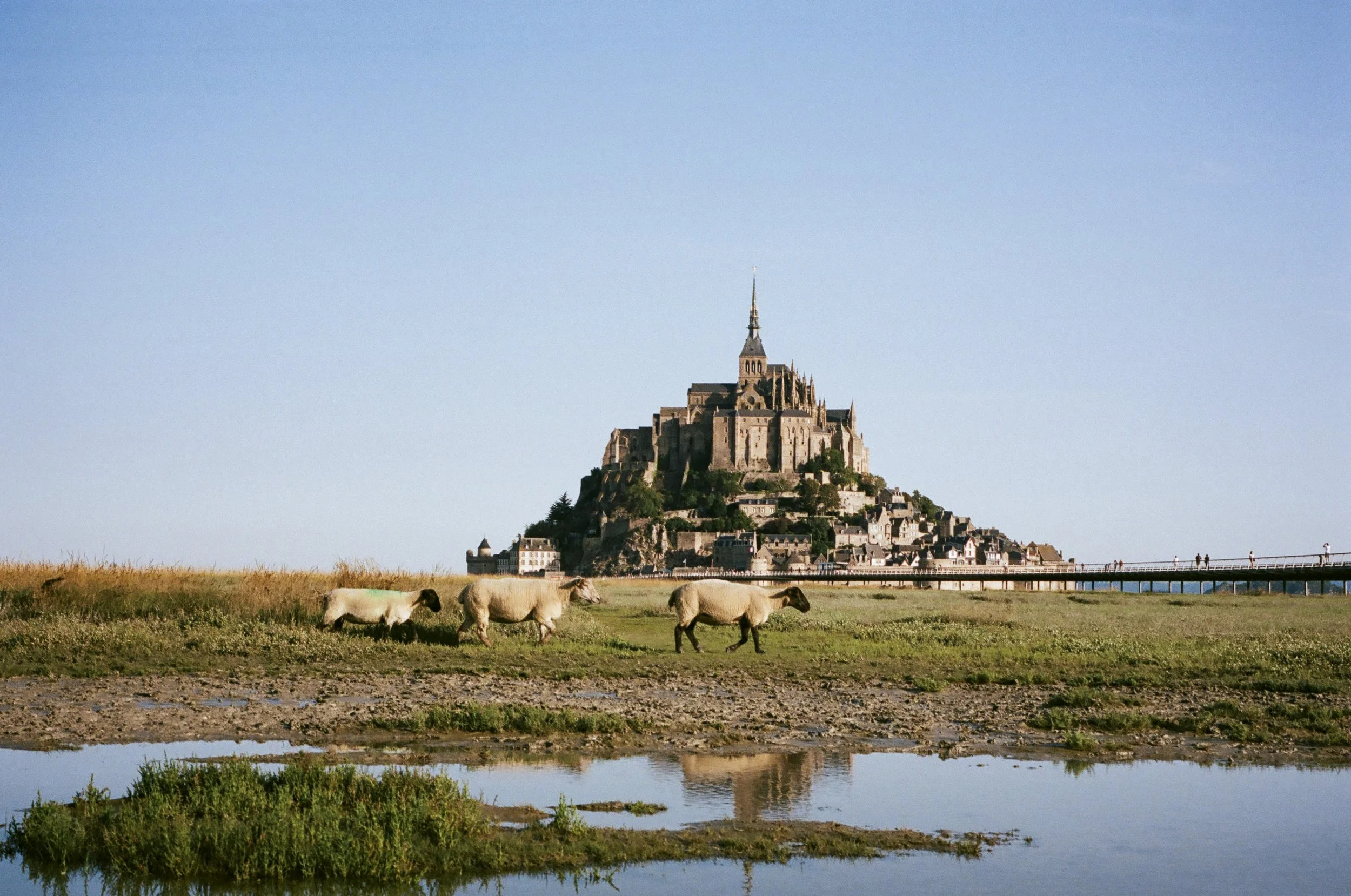
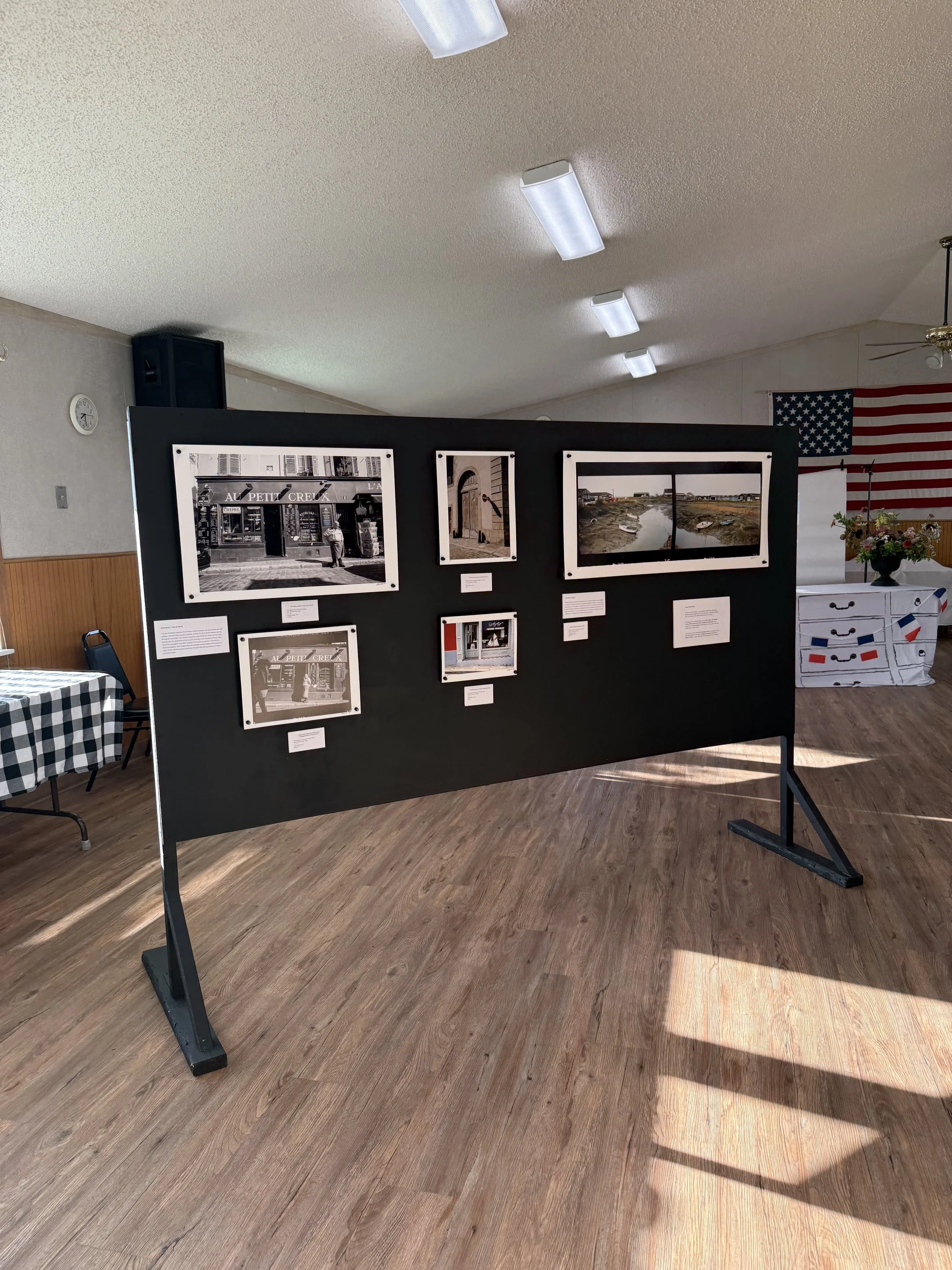
Printing this work was needed. I sometimes forget how important it is to print your personal work.
Start small
Your personal project doesn't need to require a massive investment of time or money.
Start small.
You don't need to travel to Paris or drive across the United States. You can even have multiple personal projects going at once.
Pick something and see where it takes you.
Go on a photo walk. Pay attention to something in your neighborhood. Photograph the same place as the seasons change. Find a subject that keeps catching your eye and give yourself permission to keep returning to it.
I often photograph my own driveway and the view around my home simply to keep a camera in my hands, my eye in tune and the creative part of my brain engaged.
Whatever you decide to photograph, the important thing is that you are in control of the project.
There is no client. No shot list. No deadline. No algorithm telling you what you need to make next.
Just you, your camera and whatever made you want to pick one up in the first place.
If you're looking to reconnect with your own photography, develop a personal project or simply strengthen your skills behind the camera, that's also something I work on with photographers through my mentorship program.