

Lighting is truly everything in photography.
Light—or even the lack of it—can set the mood and atmosphere of an image. Along with subject matter and composition, understanding light can elevate your photographs more than almost anything else.
You can go to the exact same location, photograph the exact same subject at different times of the day, and come away with completely different-looking and feeling images.
Start looking at the work of photographers you admire. Have you ever seen an image that feels so elevated that you wonder, If I stood in that exact same spot, could I capture that photograph?
Most likely, a big part of what you're responding to is the light.
What time of day did the photographer make that image? Where was the light coming from? Was it hard or soft? Was the subject backlit? Was the light coming from the side?
Today, the type of camera you have truly doesn't matter as much as we sometimes think it does. Cameras are incredibly capable.
But light? Light makes the difference.
1. Remove the “Fiddle Factor”
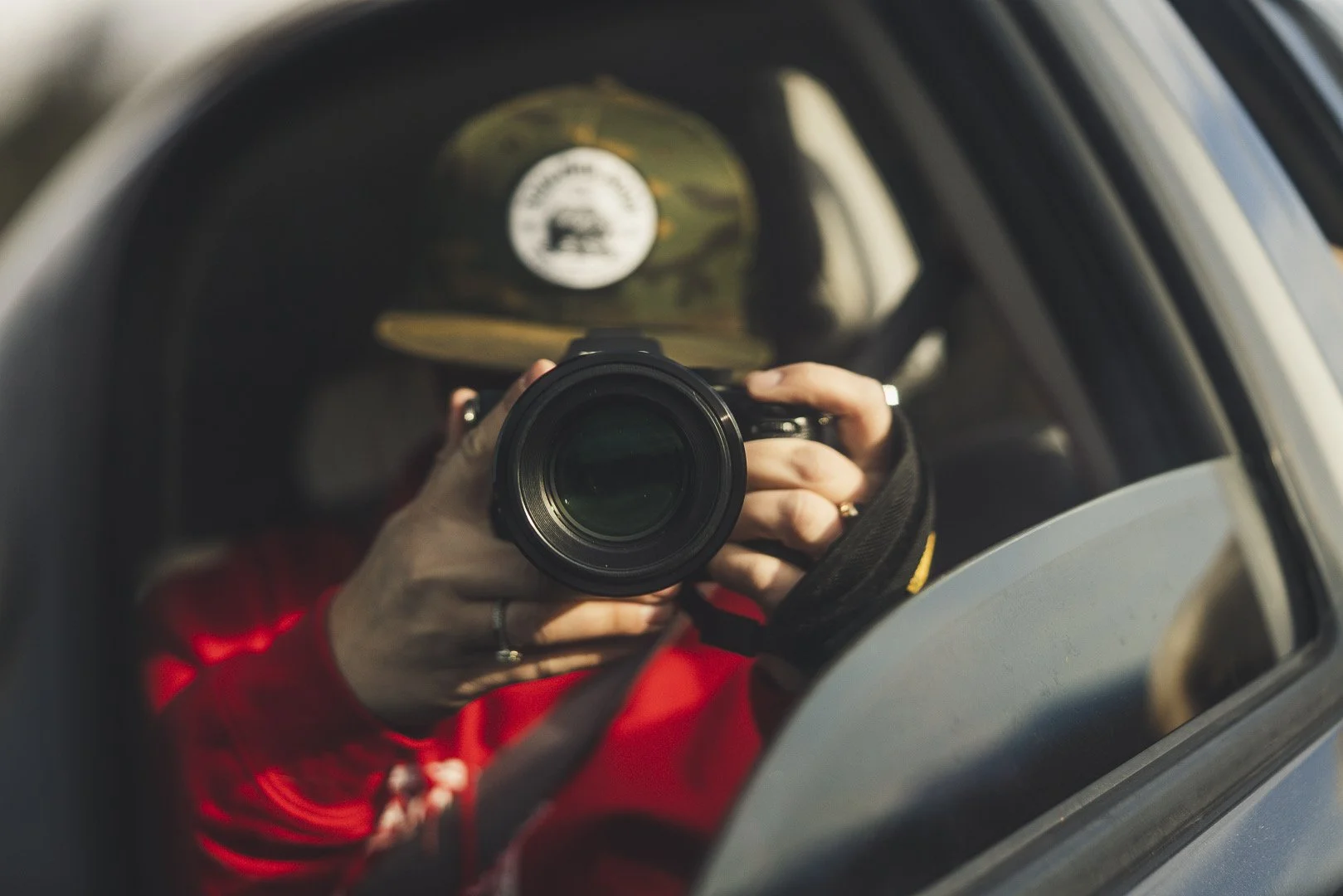
One of the things I always say is: remove the fiddle factor from your camera.
Is your camera becoming a barrier between you and the image you want to make?
Light waits on no one. The sun will rise and set, and it won’t wait for you to stop fiddling around with your camera settings.
Get to know your camera inside and out. Practice changing your aperture, shutter speed and ISO without having to stop and think about every adjustment. Learn where the important controls are. Practice until operating the camera becomes second nature.
Once you remove that barrier, you can stop thinking so much about the camera itself and start looking at what’s actually happening in front of you.
That’s when you start seeing the light and your compositions more clearly.
2. Look at Backlighting and Side Lighting
Light can shape your subject.
When I approach a scene, I like to look at my subject from different angles and see how the direction of the light changes what I’m seeing.
Walk around.
What happens when the light comes from the side? What happens when you put the light behind your subject?
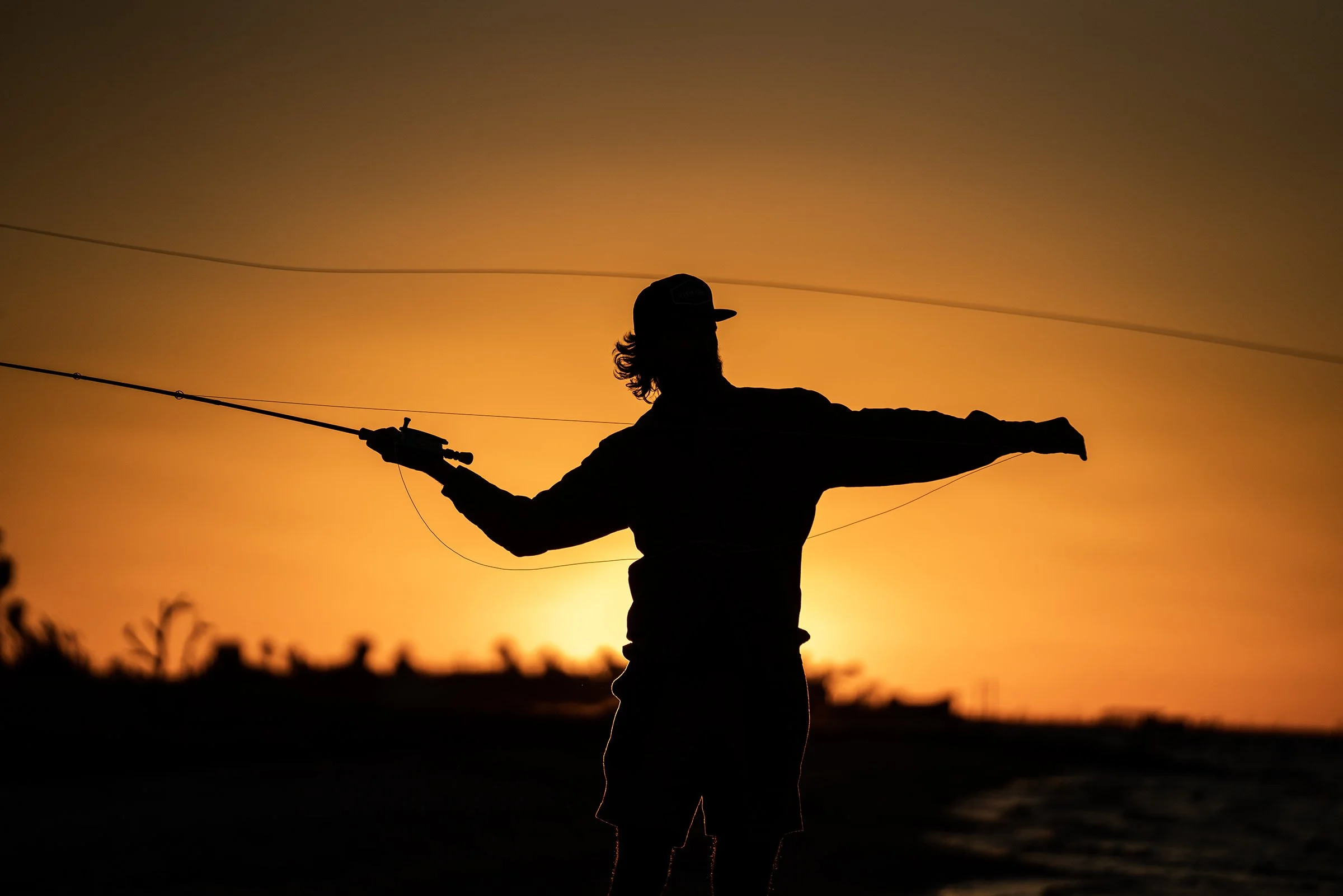
Try backlighting your subject to create a silhouette.
Side light, for example, cannot only change the tone of an image but also reveal more texture and shape. In a portrait, it can bring out a person’s facial features in a completely different way than flat, front-facing light.
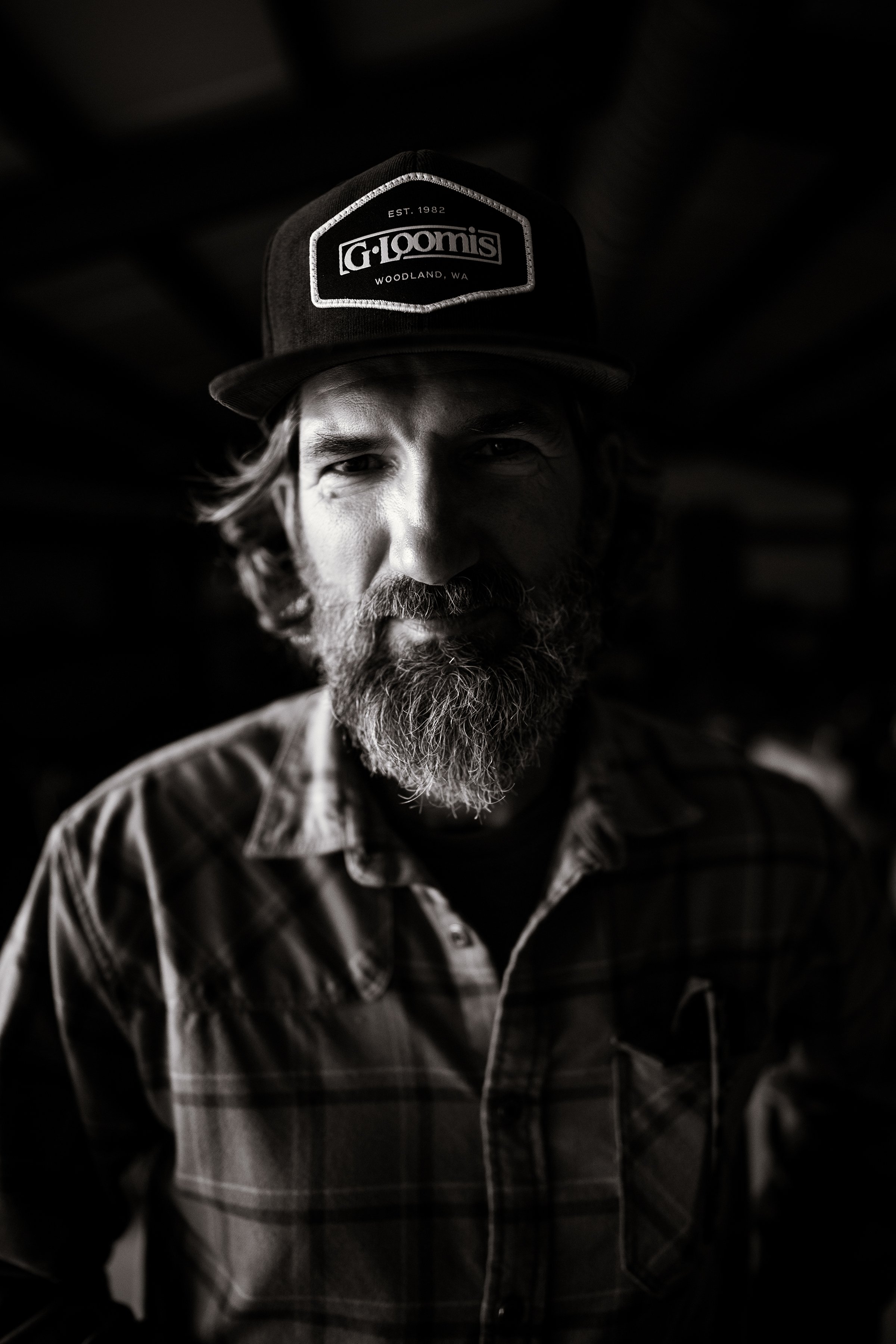
Side Lighting can change the whole dynamic of an image. It emphasizes depth and also leads your eye into the subject.
I use backlighting a lot in my personal photography. I love finding ways to use light to separate and highlight my subject.
One example comes from my fishing photography.
If I want to photograph water spraying off a reel or fishing line, I’ll position myself so the light is behind my subject and look for a slightly darker background. Suddenly, all those tiny water particles catch the sunlight and become visible.

Without that backlight, you might barely notice them.
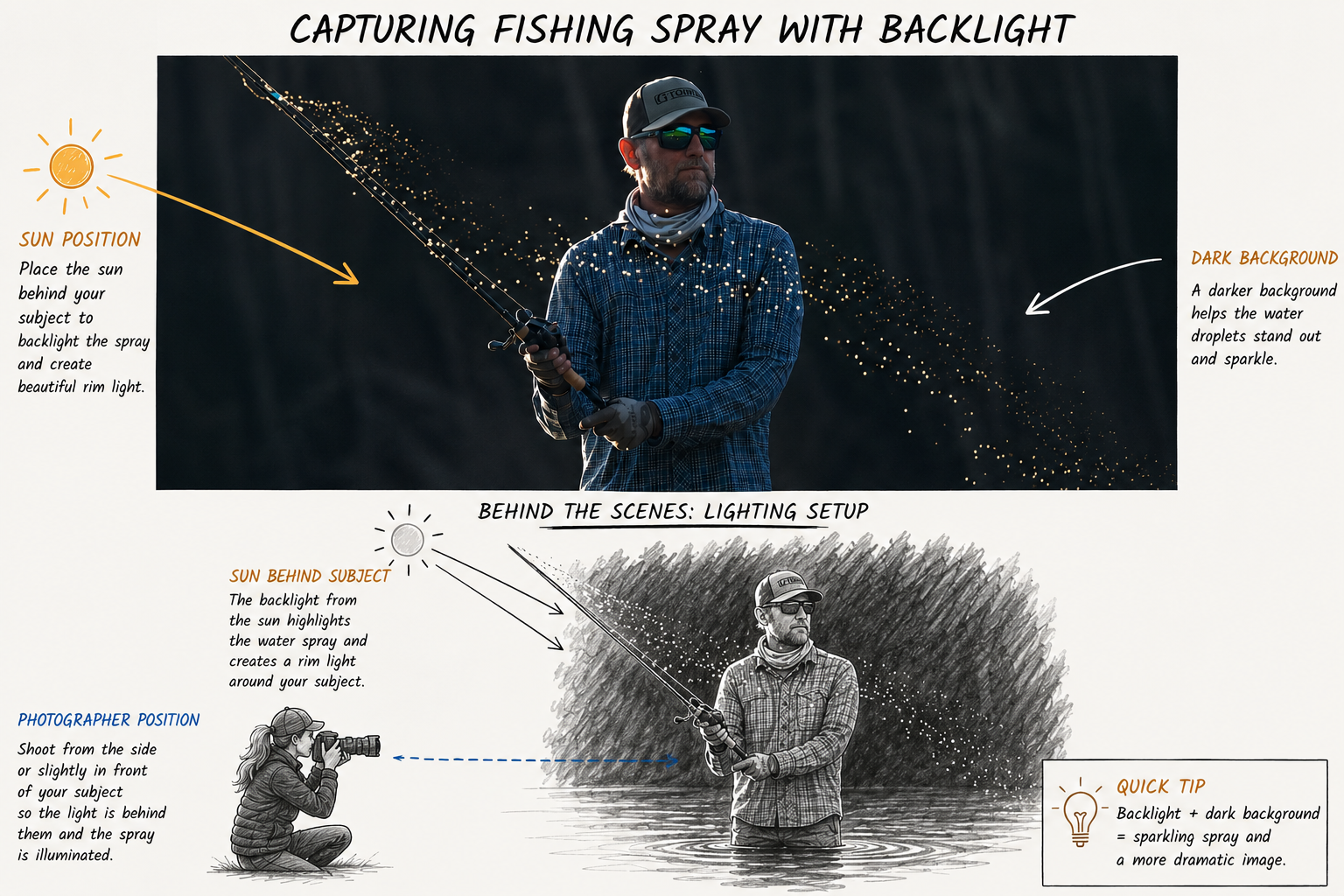
Example of how to backlight water.
Same subject. Same camera. Completely different photograph because of the light.
3. Shoot When the Light Is at Its Best
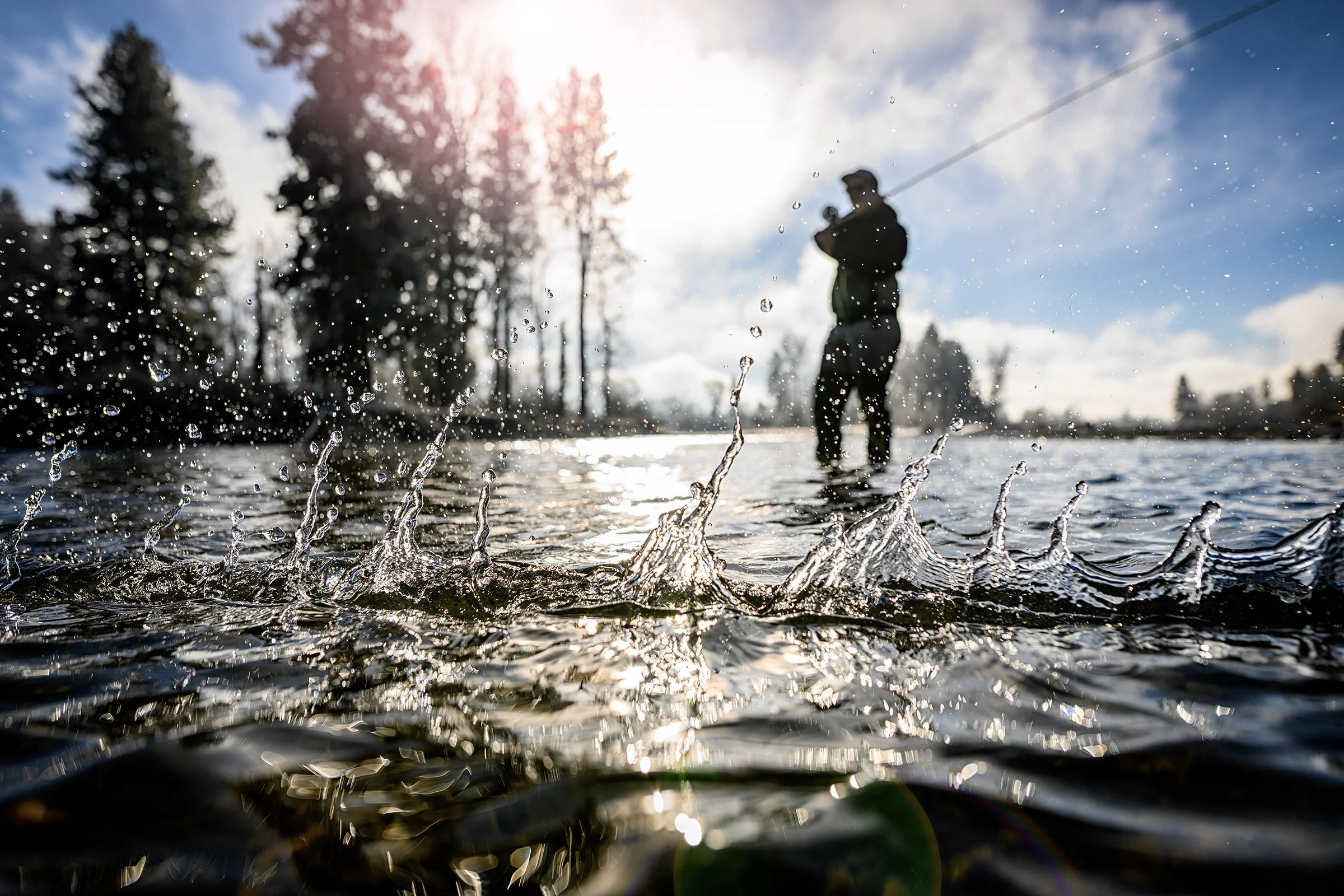
Morning light is often soft. I edited in a slight extra lens flare at the top to make the light source even that more powerful.
“Golden hour,” as everyone calls it, is that beautiful period of light early in the morning and again toward the end of the day.
Choosing the right time of day can completely transform your images.
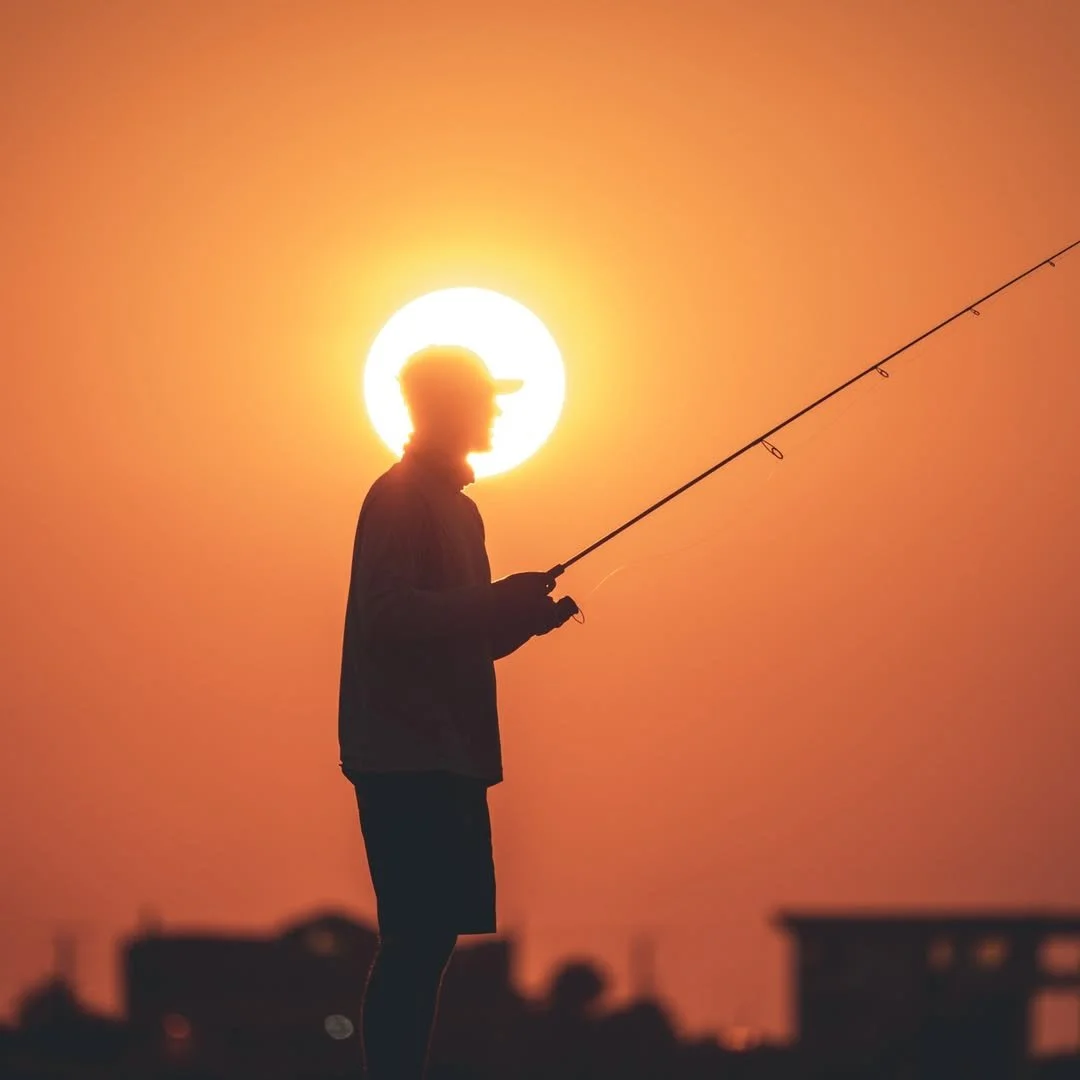
“The sun waits for no one!”
Of course, photography doesn’t always work out that way. Sometimes you have an assignment, an event or a subject that must be photographed at a specific time. You must work with the light you’re given.
But when you can choose, think about what kind of light best fits what you’re trying to convey.
Sometimes simply waiting for better light can elevate your photograph immensely.
And if you must shoot during the middle of the day, get creative.
Maybe harsh midday sun isn’t ideal for the portrait you had envisioned, but what else can you do with it?
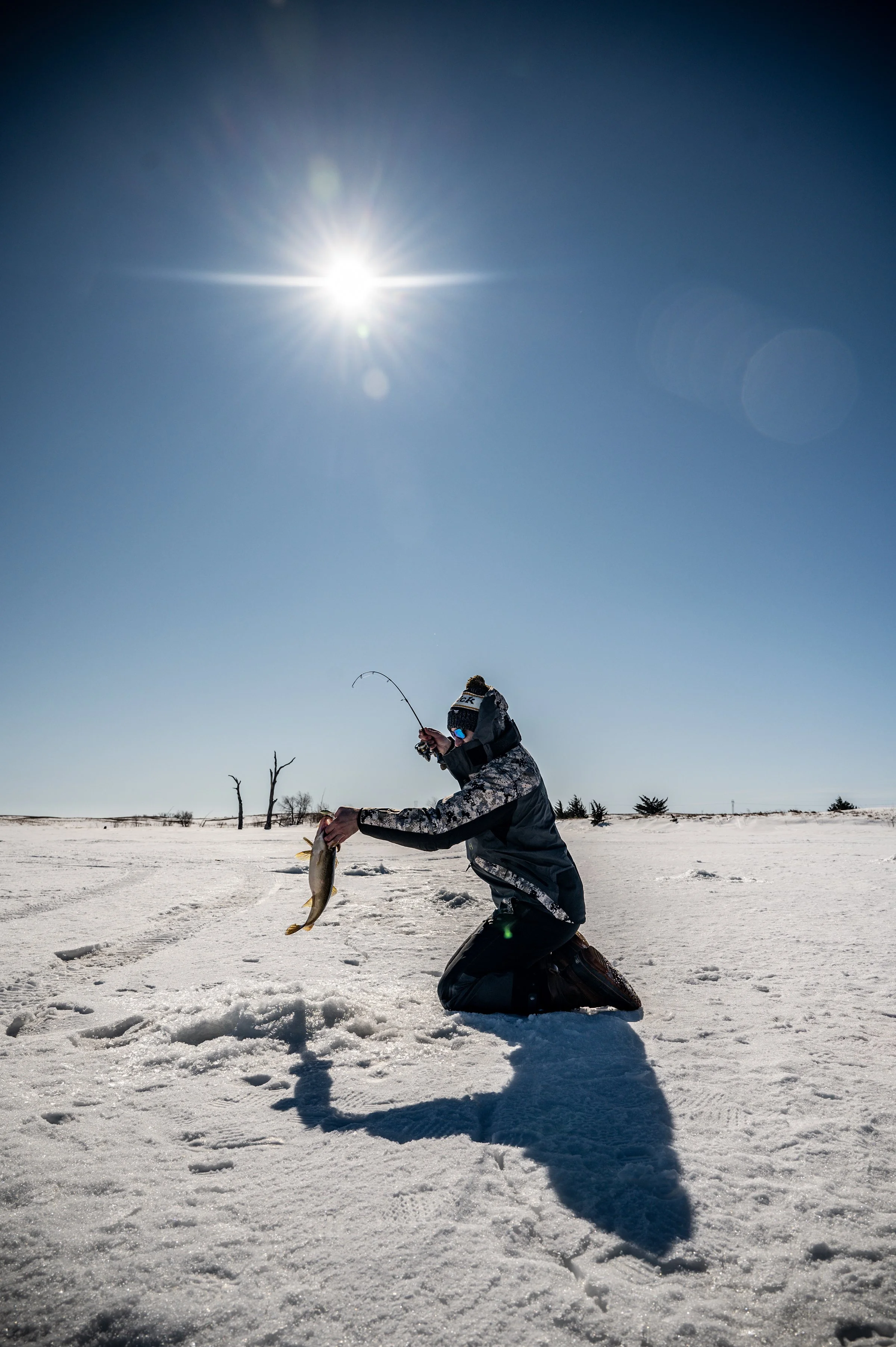
Stopping your aperture down can create a “sun star”
Try stopping your aperture down and creating a sun star. I sometimes intentionally position a sun star within my composition to highlight something in the image or add another visual element.
Instead of fighting the conditions, ask yourself:
What can I make with the light I have?
Lack of Light Doesn’t Mean Lack of Images
Challenging light doesn’t mean you can’t create beautiful photographs.
Sometimes it just means you must think outside the box.
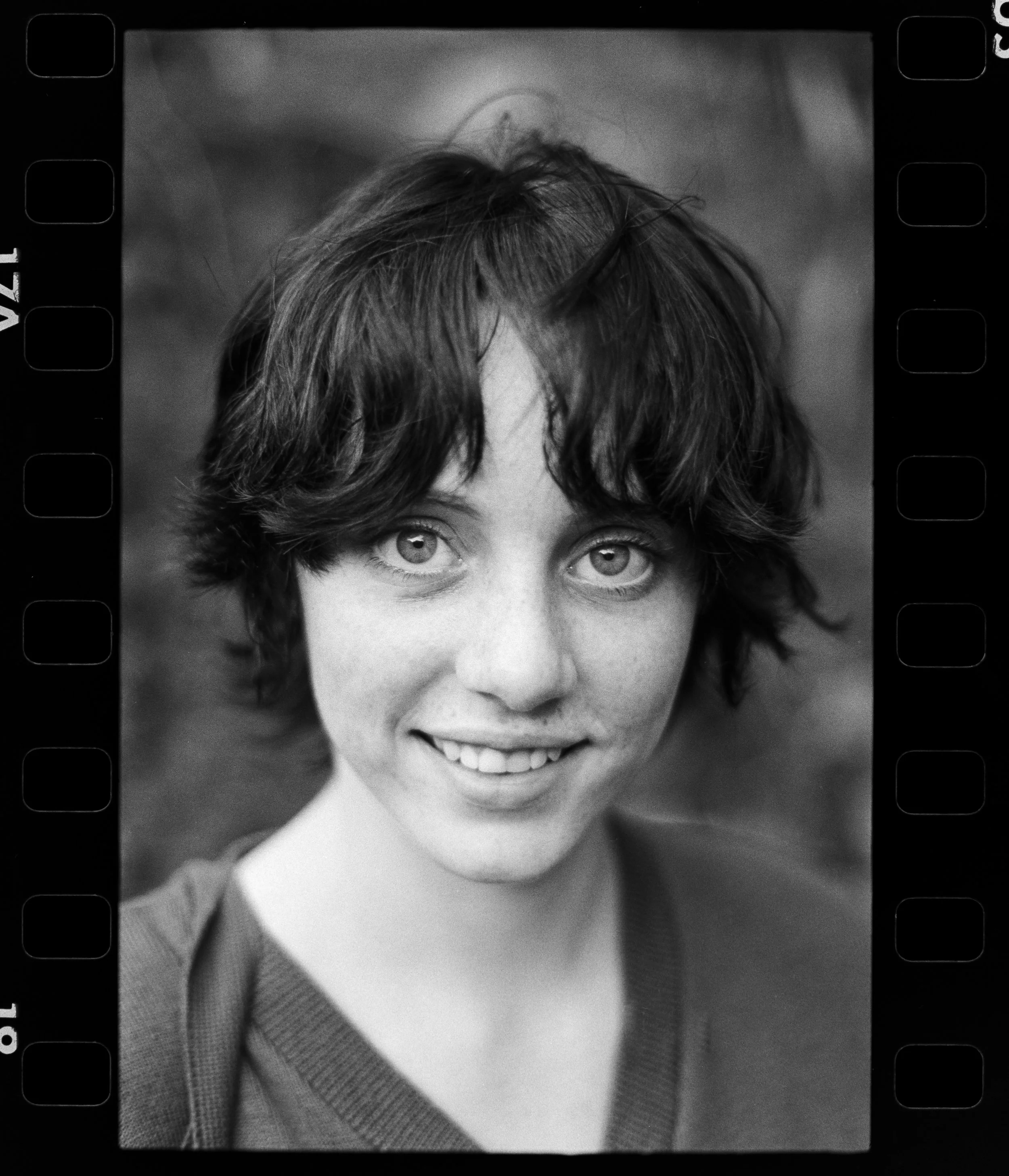
Power of flat light!
Flat light can be great for portraits, specially skin tones.
When the midday light is harsh, the sky is flat, or the conditions simply aren’t giving you what you hoped for, start looking for other elements.
Look for texture. Look for details. Look for interesting shapes or shadows. Maybe it’s a good time to think in black and white.
The point isn’t that every lighting condition is going to produce the same kind of photograph. It won’t.
The more you practice your craft in different and challenging lighting conditions, the more prepared you’ll be when those situations happen in the real world.
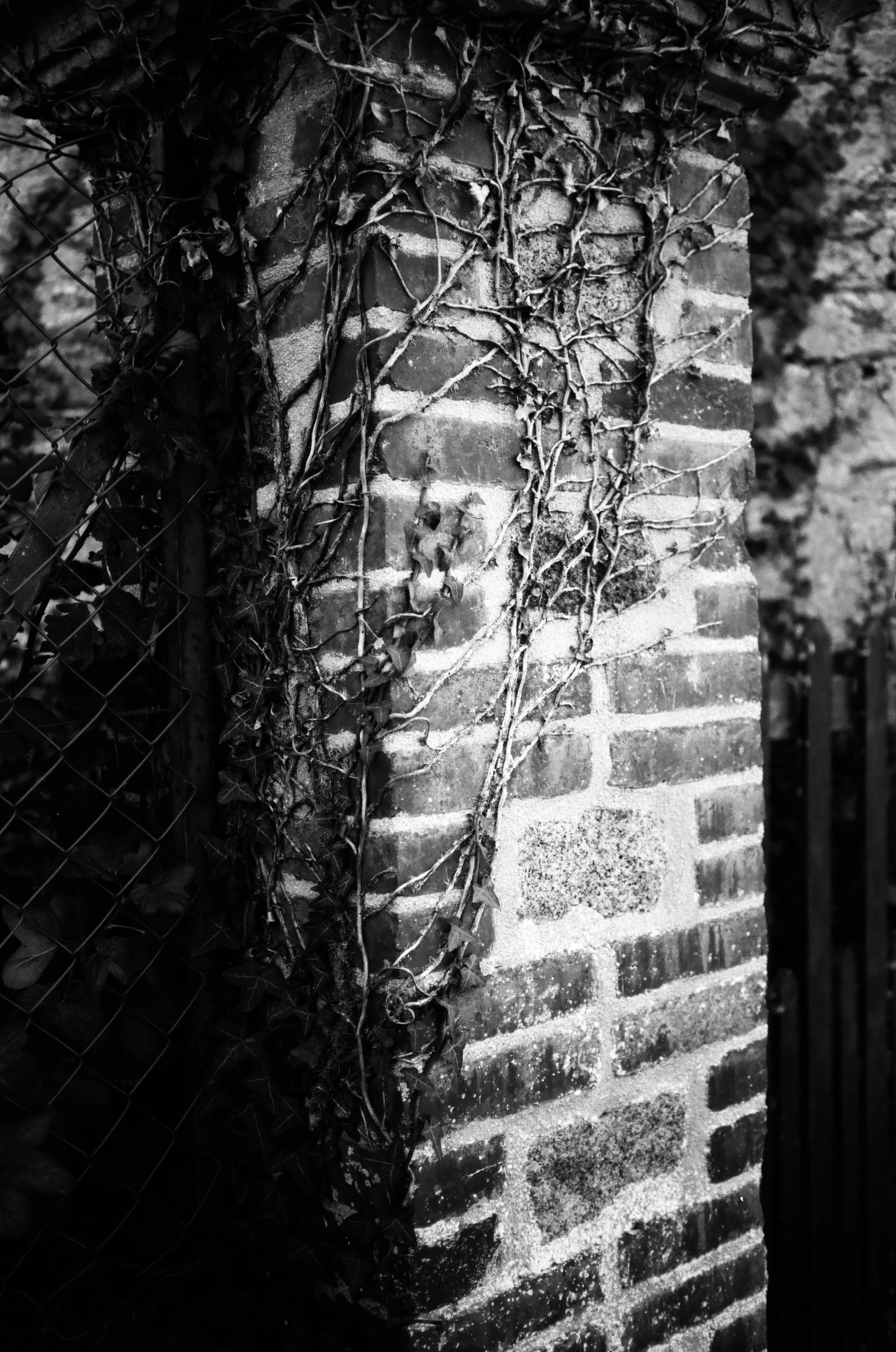
When Lighting is flat!
Your Left with looking for textures, leading lines, symmetry.
Learn your camera well enough that you don’t have to think about it.
Then start watching the light.
Because the light waits on no one.
If you’d like to learn more about seeing light, understanding your camera and developing your own approach to photography, check out my mentorship program